When Should a Hoarder Look for Professional Help?
A home can become unsafe long before it looks dramatic from the outside. When should a hoarder look for professional help? The answer is usually when clutter, belongings, or accumulated waste begin to affect health, daily life, the condition of the property, or the ability to safely enter and leave the home. Asking for help is not a failure. It is a practical step toward protecting the person, their family, and the property.
Hoarding situations are deeply personal, and they are rarely solved by simply telling someone to throw things away. Many involve grief, anxiety, isolation, physical limitations, financial stress, or years of deferred home maintenance. A respectful professional approach can reduce immediate hazards while giving everyone involved a clear, manageable path forward.
When Should a Hoarder Look for Professional Help?
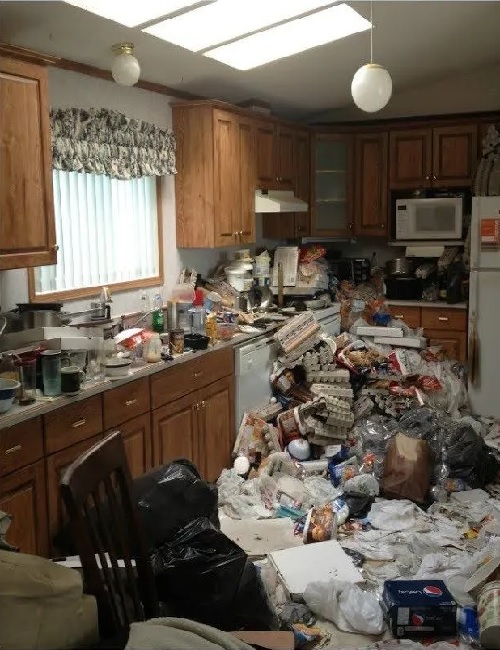
Professional help is appropriate whenever the home is no longer functioning as a safe place to live. That can mean rooms cannot be used for their intended purpose, pathways are too narrow to walk through, appliances are inaccessible, or exits are blocked. It can also mean the person feels overwhelmed, ashamed, or unable to start the process alone.
The need may be urgent if there is spoiled food, animal waste, insects, rodents, mold, standing water, strong odors, damaged flooring, or structural concerns. These conditions can create health risks that go beyond ordinary housekeeping. A cleanup team trained for hoarding and sanitation work can assess what is present, use appropriate protective procedures, remove affected materials, and address odors or contamination that regular cleaning cannot resolve.
Professional help can also be the right choice before a crisis occurs. Waiting until a fall, fire, lease violation, code complaint, hospitalization, or family emergency forces action often makes the process more stressful and expensive. Early intervention gives the person more control over decisions about what stays, what goes, and how the home will be restored.
Safety Signs That Should Not Be Ignored
Some warning signs call for immediate attention because they can put occupants, visitors, neighbors, and first responders at risk. Blocked doors, hallways, stairs, and windows are among the most serious. In an emergency, a clear exit matters. Clutter can also prevent firefighters, paramedics, plumbers, or repair technicians from reaching the areas where they are needed.
Fire risk rises when combustible materials are stored near stoves, heaters, electrical panels, extension cords, or candles. Piles of paper, clothing, boxes, and other items can help a small fire spread quickly. Overloaded outlets, damaged cords, and appliances surrounded by clutter add another layer of concern.
Falls are another common danger. Narrow walkways, unstable stacks, loose items on stairs, and poor lighting can lead to serious injuries, particularly for older adults or anyone with limited mobility. If the home cannot accommodate a walker, wheelchair, emergency transport, or routine maintenance, the situation has moved beyond a simple organizing project.
Health and Sanitation Concerns
Not every hoarding situation involves biohazards, but professional support is strongly recommended when sanitation has been compromised. Food waste, pet urine or feces, pests, dead animals, human waste, needles, mold, and decomposition odors require more than surface cleaning. Improper handling can spread contaminants and expose family members to bacteria, allergens, parasites, and airborne particles.
Strong or persistent odors are also a sign to investigate further. Odor can become trapped in carpet, subflooring, drywall, furniture, insulation, and HVAC systems. Removing visible items may improve the appearance of a room, but it may not resolve the underlying source. Depending on the condition, cleanup may need to include removal of damaged materials, disinfection, odor treatment, repairs, and reconstruction.
A person with asthma, allergies, a weakened immune system, or respiratory illness may be especially vulnerable to dust, mold, pest debris, and chemical exposure. In these cases, a family member should not assume they can safely handle a large cleanup with household supplies. An inspection can clarify the scope and identify the safest next step.
Signs the Home or Housing Situation Is at Risk
Property damage can build quietly in a cluttered home. A small plumbing leak may go unnoticed because no one can reach it. Moisture behind stored items can lead to mold. Heavy piles can damage flooring, strain shelving, hide pest activity, or make it impossible to inspect walls, windows, and utility connections.
For renters, hoarding conditions can create lease issues when they block access for maintenance, cause odors or pests, or violate fire and sanitation requirements. Landlords and property managers need to address legitimate safety concerns, but an aggressive or humiliating approach can make cooperation harder. A compassionate cleanup plan can protect the property while preserving dignity and giving the resident a realistic chance to participate in the process.
For homeowners, the problem often comes to a head during a sale, refinance, insurance claim, estate settlement, renovation, or move. Family members may discover that clearing the property is far beyond what can be completed over a weekend. A single provider that can handle sorting support, removal, deep cleaning, remediation, repairs, and reconstruction can prevent the project from being passed from one vendor to another.
When Family Members Should Step In
Loved ones often recognize the problem before the person living in the home is ready to discuss it. The goal should be concern, not control. Arguments about individual possessions usually lead to defensiveness, especially when belongings carry emotional meaning.
Start with specific safety observations: a blocked back door, spoiled food in the kitchen, a leaking pipe that cannot be reached, or a bathroom that is no longer usable. Focus on what needs to change for the person to remain safe at home. If possible, ask what they would feel comfortable addressing first.
Professional cleanup is not a substitute for mental health care when hoarding disorder may be involved. A therapist, physician, social worker, or support professional may be an essential part of long-term progress. Cleanup crews address the physical environment. Ongoing support can help a person manage the emotional and behavioral patterns that made the situation difficult in the first place.
What Professional Hoarding Cleanup Can Handle
The scope of help depends on the home and the hazards present. A respectful team should begin with an assessment, listen to the client or authorized family representative, and build a plan around safety, access, sanitation, and the condition of the property.
For a large or hazardous project, professional services may include:
- Sorting and removing unwanted contents, trash, damaged items, and debris
- Deep cleaning, disinfecting, and managing biohazard or animal-waste conditions
- Pest-related cleanup, odor removal, and treatment of contaminated surfaces
- Water damage mitigation, mold remediation, and removal of unsalvageable materials
- Repairs and reconstruction for damaged floors, walls, cabinets, bathrooms, and other areas
There are trade-offs to consider. A full cleanup completed quickly may be necessary when there is an active health hazard, property deadline, or emergency access problem. In other situations, a phased plan may be less overwhelming and allow the resident more time to make decisions. The right approach depends on urgency, safety, budget, and the person’s ability to participate.
Choosing Help That Respects the Person and the Property
Hoarding cleanup requires more than labor. Ask whether the provider has experience with sanitation hazards, damaged materials, odor issues, and restoration work. Confirm that they can explain the scope clearly, provide an estimate, and protect privacy throughout the project.
It also helps to work with a company that can take ownership after removal is complete. A cleared room may reveal mold, water damage, broken plumbing, damaged drywall, or subfloor contamination. Renew Cleaning & Restoration can manage complex cleanup and restoration work from initial assessment through cleaning, repair, and reconstruction, so clients do not have to coordinate separate crews during an already difficult time.
If there is immediate danger from blocked exits, fire hazards, unsafe sanitation, active water damage, or conditions that make the home unlivable, do not wait for the situation to become worse. A calm conversation and a professional assessment can be the first practical move toward a safer home, a protected property, and some much-needed breathing room.