How to Prepare a Hoarded Home for Cleanup
A home can reach a point where the cleanup is no longer a weekend project. When rooms are blocked, odors have spread, pests are present, or belongings have accumulated for years, knowing how to prepare a hoarded home starts with one priority: protect people before property. The goal is not to rush, judge, or throw everything away. It is to create a safe, respectful plan for moving forward.
For families, landlords, estate representatives, and property managers, the first few decisions can prevent injuries, reduce conflict, and preserve the items that truly matter. A professional assessment is often the safest place to begin, especially when the condition of the home is unknown.
Start With Safety, Not Sorting
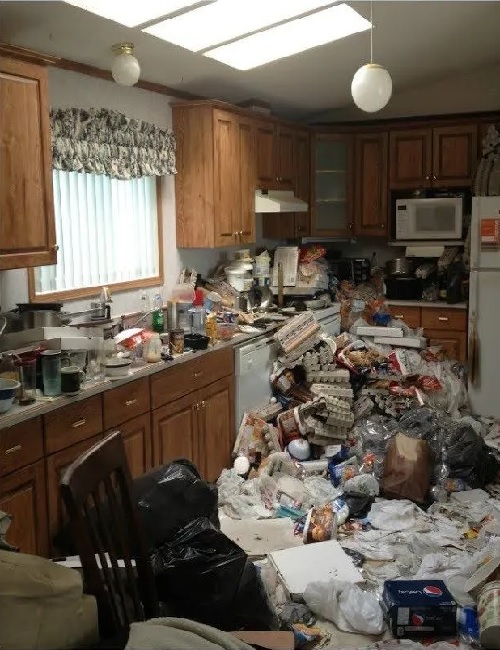
It is tempting to enter the property with gloves and trash bags, then start making piles. That approach can expose you to hazards that are not visible from the doorway. Hoarded homes may contain unstable stacks, animal waste, spoiled food, sharps, mold, insects, rodents, damaged flooring, and electrical or plumbing issues. In some cases, a fire, water leak, or structural concern has been hidden beneath the accumulation.
Before anyone begins sorting, make sure there is a clear path to an exit. Do not climb over stacks, force open doors, or move heavy items that may be supporting other materials. If the home has no safe access route, leave the condition untouched until trained cleanup professionals can evaluate it.
Stop and call for qualified help if you encounter any of the following:
- Strong ammonia, sewage, chemical, smoke, or decomposition odors
- Visible mold, heavy pest activity, rodent droppings, or insect infestations
- Blood, bodily fluids, needles, medication, or other biohazard concerns
- Sagging ceilings, soft floors, water damage, exposed wiring, or blocked exits
- A person or animal who may be in distress inside the property
These conditions may require more than debris removal. They can involve sanitation, odor treatment, remediation, repairs, and reconstruction after the cleanup is complete.
Protect the Person at the Center of the Situation
Hoarding conditions are often connected to grief, trauma, illness, isolation, anxiety, or other difficult circumstances. Even when a property must be cleared quickly for a sale, lease turnover, insurance issue, code concern, or safety emergency, the person affected deserves dignity.
Avoid surprise cleanouts whenever possible. If the resident is able to participate, explain what will happen, who will be present, and which areas will be addressed first. Ask about items that should never be discarded without approval. Family photos, legal papers, military records, jewelry, heirlooms, cash, keys, and personal correspondence can be easy to overlook in a crowded home.
Set realistic expectations as well. A complete cleanup may feel overwhelming, and the work can uncover damage that was not apparent at first. Progress is usually more effective when it is organized by safety and access rather than by trying to make every room perfect in one day.
Establish Decision-Makers Early
Before a crew arrives, identify who has the authority to make decisions about belongings, access, payment, and repairs. This matters particularly for estates, rental homes, and properties occupied by a family member who may not be the legal owner.
If several relatives are involved, select one primary contact and one backup. Decide how questions about potentially valuable or sentimental items will be handled. A clear process prevents delays and reduces the chance that a crew is caught between conflicting instructions.
Make a Plan for Important Belongings
You do not need to sort every item before requesting help. In fact, trying to do so without a plan can make conditions less safe. Instead, make a short list of the items or categories that deserve special attention.
That list may include identification documents, wills, tax records, property deeds, financial records, prescription information, electronics, family photographs, collectibles, and items belonging to another person. Tell the cleanup team where those items are most likely to be located, even if the area cannot yet be entered safely.
If you can access paperwork without moving unstable piles, gather basic property information. Insurance details, utility account numbers, pest-control records, prior repair invoices, and any known water or fire damage can help the assessment move faster. Do not risk injury to retrieve records. A thorough cleanup team can help locate and separate important materials during the project.
Prepare the Property for a Professional Assessment
A professional walkthrough gives you a clearer picture of the work, the hazards, and the likely next steps. To make that visit productive, provide honest information about the property. There is no benefit in minimizing what is inside. Accurate details help the team bring the right protective equipment, containers, labor, sanitation supplies, and restoration resources.
If possible, share whether there are pets, firearms, medications, sharp objects, pest issues, water leaks, mold, or areas that have not been entered for a long time. Let the team know whether utilities are active and whether the property has a working bathroom, electricity, or safe outdoor access.
Clear the driveway or arrange parking if that can be done safely. Cleanup projects may require trucks, dumpsters, removal equipment, and space to stage materials. For multifamily properties, notify the property manager about access requirements, elevator reservations, parking restrictions, and disposal rules before work begins.
Take a few exterior photos for your records if doing so does not invade the resident’s privacy. For insurance claims or estate documentation, ask the cleanup provider about its documentation process. Detailed photographs and itemized work records may be useful when damage, contamination, or reconstruction is involved.
Arrange Care for Pets and Vulnerable Occupants
Pets should be removed from the work area before cleanup starts. Even a calm animal may become frightened by unfamiliar people, noise, doors opening, or the removal of familiar objects. Arrange a safe place for pets to stay, and make sure the crew knows if animals may be hiding in the home.
The same care applies to children, older adults, and anyone with respiratory issues or a compromised immune system. Cleanup can stir dust, odors, and contaminants into the air. Occupants should not remain inside active work areas, especially where sanitation or remediation is needed.
If the person living in the home has nowhere else to go, discuss that early with the cleanup provider and any involved family members, social workers, property managers, or local support resources. The work plan may need to be phased to maintain safe access and protect essential living areas. It depends on the condition of the home and the immediate risks present.
Understand That Cleanup May Reveal Restoration Needs
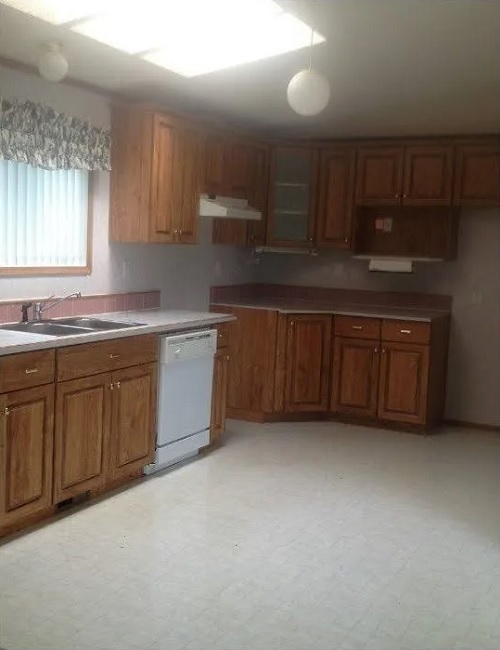
Removing accumulated belongings is often only the first phase. Floors can be stained or weakened. Walls may have absorbed odors. Leaks, mold, pest damage, and fire hazards can appear once clutter is removed. A property that looks cleared may still need deep cleaning, disinfection, odor removal, carpet removal, drywall repair, flooring replacement, or full reconstruction before it is ready for occupancy.
This is why a single-provider approach can reduce stress. Rather than coordinating one company for removal, another for remediation, and another for repairs, Renew Cleaning & Restoration can assess the property and manage cleanup, mitigation, repairs, and reconstruction as needed. That continuity is especially valuable when a home must be made safe for a sale, a tenant turnover, an insurance claim, or a family transition.
How to Prepare a Hoarded Home Without Making It Worse
The most helpful preparation is often quiet and practical. Secure access to the home, gather basic property information, protect pets and vulnerable people, identify decision-makers, and document known concerns. Then let trained professionals determine what can be safely removed, cleaned, restored, or repaired.
Avoid bringing in friends or relatives for a large volunteer cleanup when biohazards, pest waste, mold, unstable contents, or unknown materials may be involved. Their willingness to help is meaningful, but good intentions do not replace protective procedures, proper disposal, or restoration expertise. A rushed effort can lead to injuries, damaged valuables, contaminated vehicles, or a property that still has serious health and odor issues.
A hoarded home does not have to remain a source of danger or shame. With a respectful plan and the right support, the next step can be a safer entryway, a usable room, a clean property, or a home ready for its next chapter.