Removing Biohazard From Hoarded Homes Safely
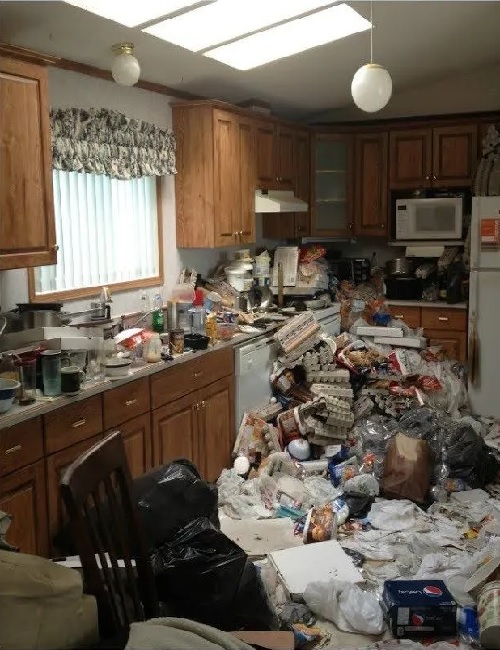
A hoarded home can look like a cleanup problem from the doorway. Once rooms are opened, however, removing biohazard from hoarded homes may involve contaminated surfaces, animal waste, spoiled food, sharps, insects, mold, bodily fluids, or long-standing odors. The work is not simply about taking items to the curb. It is about making the property safe for the people who live there, the family members trying to help, and anyone who will enter it next.
For homeowners, landlords, estate representatives, and property managers, this can be a deeply personal situation. The safest path is a calm, professional response that protects health, preserves dignity, and handles the entire property from assessment through cleaning, repair, and reconstruction when needed.
Why Hoarded Homes Can Become Biohazard Sites
Hoarding itself is not a biohazard. Many homes with heavy clutter do not contain hazardous materials. The risk changes when conditions prevent normal cleaning, conceal moisture damage, block bathrooms or kitchens, limit ventilation, or allow waste and food to accumulate over time.
A home may contain contaminated materials that cannot be handled safely with ordinary household gloves and trash bags. Animal urine and feces can soak into flooring and subflooring. Rodent droppings can be disturbed when items are moved. Spoiled food can attract insects and create bacterial growth. Needles, broken glass, medications, and unknown chemicals may be hidden in piles or furniture.
There is also a building issue to consider. Moisture trapped beneath belongings can lead to mold growth, damaged drywall, rotted flooring, and odors that remain long after visible clutter is gone. In severe cases, the property needs both sanitation and restoration work. Treating only the surface can leave the underlying problem in place.
Removing Biohazard From Hoarded Homes Requires a Plan
A safe cleanup begins before a single item is removed. Trained crews assess the property, identify immediate hazards, determine which areas require controlled handling, and create a practical work plan. This protects occupants and helps prevent contamination from spreading to unaffected rooms.
The right approach depends on the conditions inside. A house with animal waste and odor needs different controls than a property with decomposition, a trauma event, mold, or extensive water damage. The goal is not to overstate the hazard. It is to identify the real risks and respond at the appropriate level.
Start with safety and access
Entry routes, stairways, exits, and utility access must be evaluated first. Heavy accumulation can create trip hazards, fire risks, unstable stacks, and blocked pathways. If a resident is still in the home, the plan should account for safe temporary access, medication needs, pets, and personal belongings that must not be discarded.
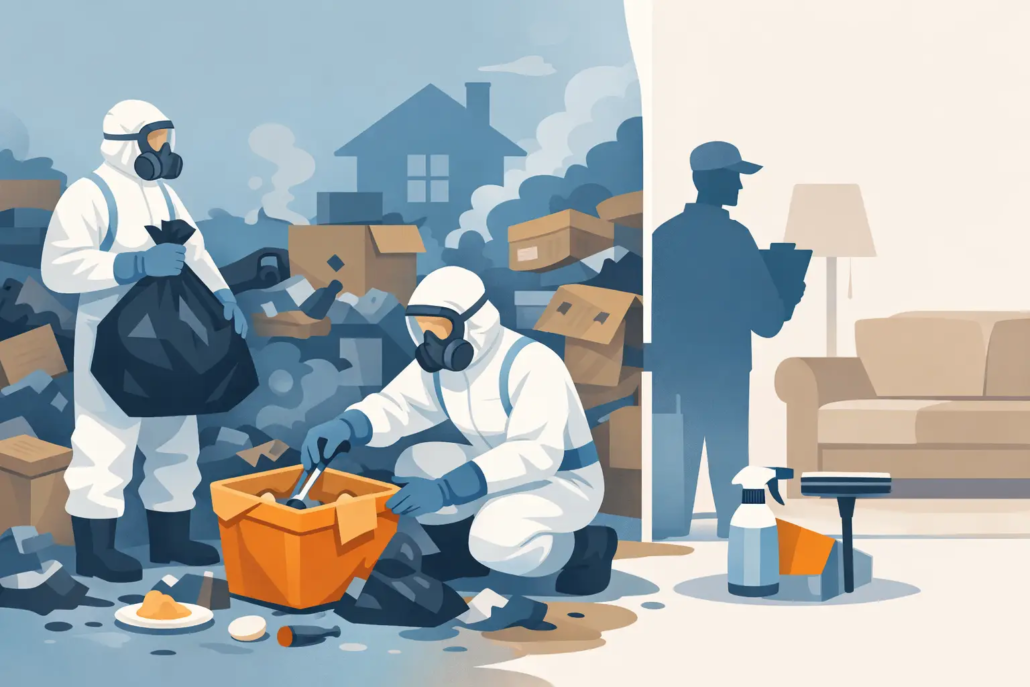
Professional teams use appropriate personal protective equipment and containment practices for the conditions found. This can include protective clothing, gloves, respirators, controlled work zones, and methods to limit cross-contamination. These precautions are especially necessary when droppings, bodily fluids, mold, or unknown materials are present.
Sort carefully, not blindly
Families often fear that a cleanup crew will throw away everything. A respectful team does not approach the job that way. Before removal begins, the client should be able to identify items to retain, such as legal papers, family photographs, jewelry, heirlooms, financial records, or medical documents.
At the same time, contaminated porous materials may not be recoverable. Mattresses, upholstered furniture, carpet, cardboard, and clothing can absorb urine, waste, mold, or fluids. Trying to save every item can increase the cost and delay sanitation. A professional can explain what may be cleaned, what needs specialized treatment, and what should be removed for health and odor control.
Remove and dispose of contaminated materials properly
Biohazardous waste requires handling that is different from ordinary junk removal. Materials must be contained, transported, and disposed of according to applicable requirements. This is one reason a standard hauling service may not be the right choice for a hazardous hoarding situation.
The removal phase can also reveal hidden damage. Once piles are cleared, crews may find stained flooring, damaged baseboards, insect activity, leaks, mold, or compromised drywall. A thorough provider documents these findings and adjusts the scope so the property is not left half-finished.
Cleaning Is Only One Part of Restoring the Home
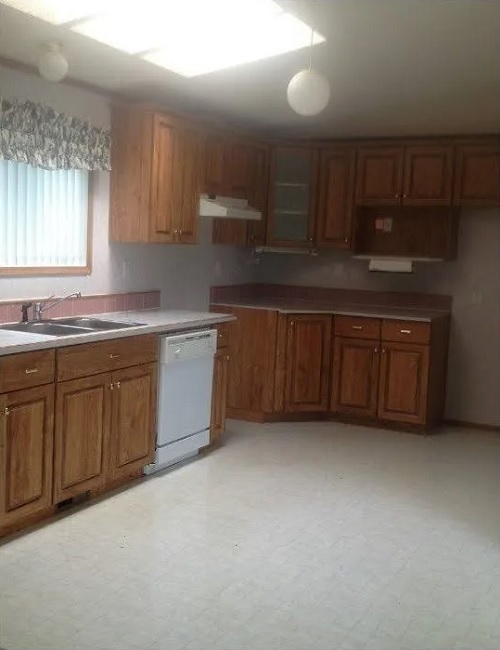
After contaminated materials are removed, the work shifts to detailed cleaning and remediation. Hard, nonporous surfaces may be cleaned and disinfected when they can be restored safely. Affected areas may need odor treatment, floor removal, subfloor cleaning, mold remediation, or repair of the water source that caused the damage.
Odor deserves special attention. Air fresheners and surface cleaners may temporarily mask a smell, but they do not remove odor sources trapped in materials or building cavities. Lasting odor control often requires removal of contaminated contents, cleaning of affected structural surfaces, and targeted treatment based on what caused the odor.
This is where an all-in-one restoration provider makes a real difference. Rather than coordinating separate companies for debris removal, biohazard cleanup, mold work, repairs, and reconstruction, the client has one accountable team managing the project. That reduces delays and helps ensure cleanup decisions support the final restoration plan.
When a DIY Cleanup Is Not the Right Risk
A family may be able to organize a lightly cluttered room with no signs of contamination. But a do-it-yourself approach becomes risky when there are visible droppings, animal waste, bodily fluids, decomposing materials, needles, mold, strong odors, insects, or unknown substances.
Opening windows and wearing a basic mask are not substitutes for proper protective equipment, training, and disposal procedures. Sweeping or moving contaminated debris can put particles into the air. Carrying unscreened bags through a home can spread contamination into hallways, vehicles, and clean areas. The emotional strain also matters. Family members can become overwhelmed when they are trying to make quick decisions about a loved one’s possessions in unsafe conditions.
Calling a trained crew is not a judgment on the resident or family. It is a practical decision to protect everyone involved and return the property to usable condition.
What to Expect From a Professional Hoarding Biohazard Cleanup
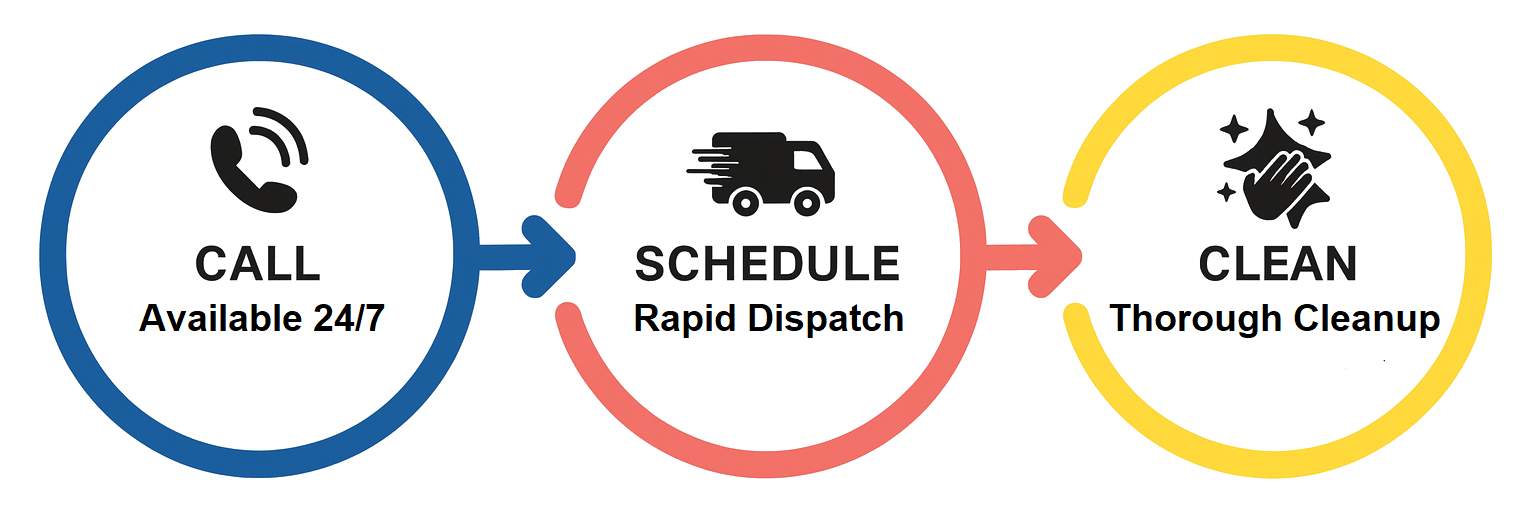
The first conversation should be discreet and straightforward. A provider should ask enough questions to understand the urgency, whether anyone is currently at risk, and whether the property can be assessed safely. For urgent situations, response speed matters, especially if the home must be made safe for an occupant, a sale, an inspection, or a repair crew.
After inspection, the client should receive a clear scope that explains the work: sorting and removal, biohazard handling, cleaning, odor treatment, remediation, repairs, and any reconstruction needed. Pricing can vary widely because every property is different. The amount of accumulation, the type of contamination, access conditions, structural damage, and salvageable contents all affect the job.
Compassion should remain part of the process. Crews should work without unnecessary attention, communicate before major disposal decisions, and respect the fact that hoarding conditions often involve grief, illness, isolation, trauma, or years of deferred maintenance. A clean home is the goal, but so is a process that does not add shame to an already difficult moment.
One Call Can Move the Property Forward
When hazards and damage are involved, the most effective cleanup is one that does not stop after the bags are removed. Renew Cleaning & Restoration can assess the conditions, manage biohazard cleanup, address odors and damage, and coordinate the repairs needed to make the home ready for safe use again.
If you are facing a hoarded property, start by protecting the people around it. A respectful professional assessment can turn an overwhelming situation into a clear, manageable plan and give the home a real path back to safe occupancy.