How Long Does a Cleanup Take? Real Timelines
A burst pipe can turn a dry room into a water-damaged space in minutes. A fire, hoarding situation, mold discovery, or trauma scene may be years in the making, but the need for a safe, workable plan feels immediate. So, how long does a cleanup take? The honest answer is that it depends on the hazard, the size of the affected area, and whether the property needs restoration or reconstruction after cleaning.
Some projects can be completed in a few hours. Others require several days of controlled drying, remediation, testing, repairs, and final cleaning. What should not take long is getting clear answers. A qualified cleanup team should inspect the property quickly, explain what must happen first, and give you a realistic timeline rather than a vague promise.
How Long Does a Cleanup Take for Common Property Problems?
The timeline starts with the condition of the property, not a standard service package. A small, contained issue is very different from damage that has traveled behind walls, under flooring, through HVAC systems, or into multiple rooms.
Water and flood damage cleanup
Initial water extraction may take several hours to a full day, depending on how much water is present and whether it is clean water, gray water, or sewage-contaminated water. Removing wet carpet, padding, damaged drywall, or insulation can add time, especially when materials cannot be safely dried in place.
Drying usually takes three to five days under normal conditions. Technicians use air movers, dehumidifiers, moisture readings, and daily monitoring to confirm that structural materials are actually dry. Turning equipment off too early can leave moisture behind, creating conditions for mold and further damage.
If cabinets, flooring, walls, or electrical components need repair, the overall project can extend from one to several weeks. Cleanup and reconstruction are related, but they are not the same phase of work.
Mold remediation
A small area of surface mold may be contained, removed, cleaned, and treated in one to three days. Larger mold problems often take three to seven days for containment, removal of damaged materials, HEPA cleaning, and detailed treatment of the affected space.
The timeline becomes longer when moisture is still active. Before mold remediation can hold, the source must be corrected. That may mean repairing a plumbing leak, addressing roof damage, improving drainage, or resolving an HVAC issue. If mold is hidden inside walls or under flooring, opening and rebuilding those areas adds time.
For properties that require post-remediation verification, clearance testing may occur after the work is complete. That step can provide valuable reassurance, particularly for commercial properties, real estate transactions, or extensive contamination.
Fire and smoke damage cleanup
Fire cleanup can range from a few days for localized smoke damage to weeks or months for a major loss. The first priorities are securing the property, documenting damage, removing hazardous debris, and limiting further damage from soot, water, and odor.
Smoke travels farther than many property owners expect. Even when flames were confined to one area, soot and odor can move through hallways, closets, ductwork, and adjoining rooms. Cleaning every affected surface, removing unsalvageable materials, and treating odors thoroughly takes time because shortcuts can leave stains, corrosion, or a lingering smell behind.
Structural repairs and reconstruction usually set the longest timeline after a fire. A single provider that can manage cleaning, mitigation, repairs, and reconstruction helps keep the handoff between phases from slowing the project down.
Biohazard, trauma, and decomposition cleanup
Many contained biohazard cleanups can be completed in several hours to one day. More involved situations may require two to five days, particularly if bodily fluids or decomposition have reached flooring, subflooring, walls, furniture, or HVAC components.
These projects require more than visible cleaning. Trained technicians identify affected materials, remove biohazardous waste properly, disinfect and deodorize the space, and determine whether porous materials can be restored or must be removed. Privacy, compassion, and careful documentation matter just as much as speed in these circumstances.
Hoarding and estate cleanup
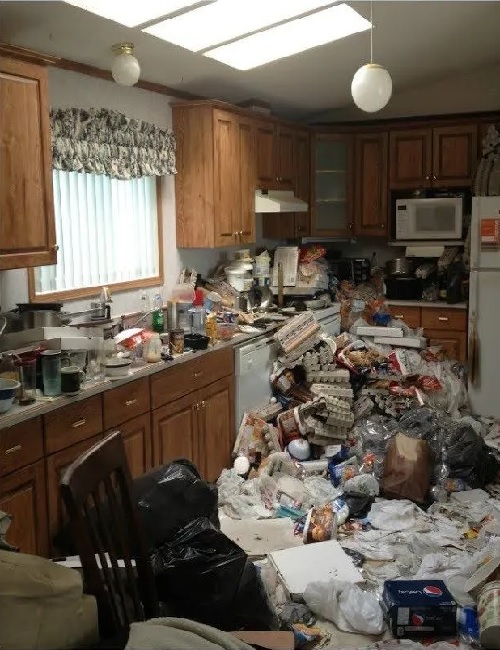
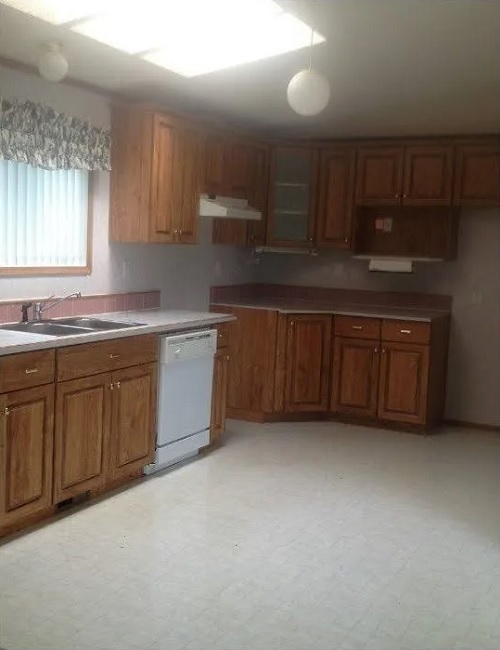
Hoarding cleanup timelines vary widely because every property has a different volume of contents, access conditions, sanitation concerns, and family considerations. A single room may take one or two days. A full home may require a week or more, especially when sorting, hauling, pest concerns, odors, animal waste, or structural damage are involved.
A thoughtful approach matters. Rushing a family through personal belongings can create additional stress, while sorting every item without a plan can stall progress. A professional team can establish priorities: identify important documents and valuables, remove unsafe materials, clear pathways, clean and sanitize, then prepare the property for repairs, sale, or occupancy.
What Can Make a Cleanup Take Longer?
The biggest factor is often what cannot be seen at the first walk-through. Moisture behind a wall, smoke inside insulation, mold beneath flooring, or contamination in porous materials may only become clear once technicians begin controlled removal and testing.
Access also affects the schedule. A vacant single-story home is easier to work in than an occupied apartment, a multi-tenant commercial building, or a property with limited parking and restricted work hours. Insurance approval, required permits, specialty materials, and the need to coordinate with adjusters can also influence the repair timeline after cleanup.
Safety should never be traded for speed. Sewage, mold, fire debris, chemical residue, sharps, and biological material require the right protective equipment, containment, disposal procedures, and cleaning methods. A fast-looking job that leaves contamination or hidden moisture behind may cost more to correct later.
The Difference Between Cleanup, Restoration, and Reconstruction
Property owners often hear a timeline and assume it covers every part of the return to normal. It helps to separate the work into phases.
Cleanup removes debris, contamination, standing water, soot, damaged contents, and other immediate hazards. Mitigation stabilizes the situation, such as drying wet materials, containing mold, or securing a fire-damaged structure. Restoration returns affected areas to a clean, safe condition. Reconstruction repairs or rebuilds what had to be removed.
For example, water removal may be finished today, drying may take four days, and rebuilding a kitchen may take several additional weeks. Asking for phase-by-phase expectations gives you a more useful picture than one broad completion date.
How to Get a More Accurate Cleanup Timeline
A reliable estimate begins with an on-site assessment or, in urgent cases, immediate guidance based on the information available. Be prepared to share when the problem started, what caused it if known, which rooms are affected, whether the property is occupied, and whether there are health or safety concerns.
During the assessment, ask what work can begin immediately, what conditions could change the schedule, and whether repairs will be handled by the same team. You should also ask how progress will be documented, especially when an insurance claim or property manager is involved.
The best timeline is not necessarily the shortest one. It is the one that addresses the full scope of the damage, prevents avoidable repeat work, and gives you a clear path from emergency conditions to a usable property.
When You Should Call Right Away
Do not wait for a convenient time if the property has active water intrusion, sewage backup, a strong smoke or decomposition odor, visible widespread mold, fire damage, or biological contamination. Each hour can allow water to migrate, odors to set, mold to spread, or unsafe conditions to become harder to manage.
Renew Cleaning & Restoration is available 24/7 for Texas property emergencies and can take ownership of the process from inspection and cleanup through mitigation, repair, and reconstruction. One call can replace the stress of coordinating separate cleaning, remediation, and repair vendors.
A cleanup may take hours, days, or longer depending on what the property needs. The next right step, however, is simple: get the situation assessed quickly so the work can begin safely and the path forward is clear.