Estate Recovery After Hoarding Done Right
When a loved one’s home is left behind in severe clutter, the work is rarely just about removing belongings. Estate recovery after hoarding can involve family records, valuables, unsafe walking conditions, pest activity, odors, damaged finishes, and decisions that carry real emotional weight. The goal is not to rush through the house. It is to make the property safe, documented, and ready for its next use while treating the estate and the people connected to it with respect.
Why Hoarding Estates Need a Different Approach
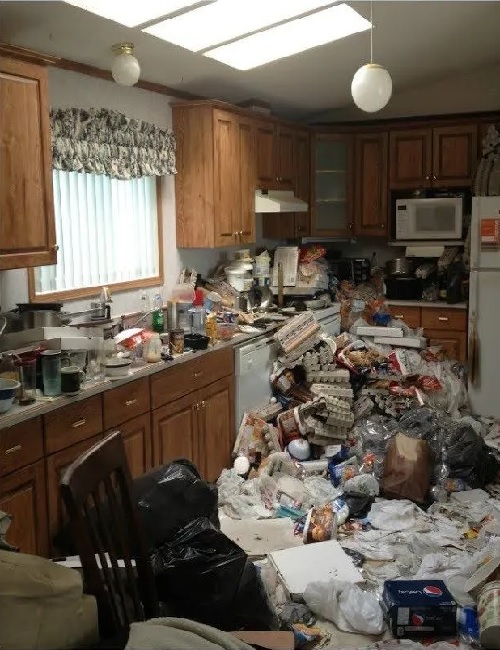
A standard estate cleanout assumes that most items are accessible, the home is reasonably safe to enter, and disposal is the primary task. Hoarding conditions change that equation. Rooms may be blocked, exits may be narrowed, and hidden moisture damage or animal waste may be present beneath piles of belongings. In more serious cases, structural surfaces, plumbing, appliances, and HVAC systems may have been affected for years.
There is also a practical issue that families often discover too late: important items are not always stored in obvious places. Financial records, property documents, jewelry, cash, photographs, heirlooms, and medications may be mixed into everyday clutter. Throwing everything into dumpsters before sorting can create permanent losses and disputes among heirs.
For estate representatives, landlords, and families, the best path is a controlled recovery process that separates sorting, cleaning, remediation, and repairs into clear phases. One accountable team can manage those phases without leaving the client to coordinate a cleanout crew, a mold contractor, a repair company, and a final cleaning vendor.
Start With Safety, Access, and Documentation
Before moving items, the property should be evaluated for immediate hazards. A professional inspection identifies concerns such as unstable stacks, blocked exits, contaminated materials, sharp objects, rodent or insect activity, water damage, mold growth, and compromised flooring. If there are signs of biohazard contamination, decomposition, or extensive animal waste, the affected areas require specialized cleanup methods and proper protective equipment.
Documentation should happen at the beginning, not after the work is underway. Photos and written notes create a clear record of property conditions, visible damage, and major contents. This can help estate administrators communicate with heirs, support insurance discussions when applicable, and establish a reasonable scope for cleanup and restoration.
Access matters, too. A cluttered property may not have a safe route for workers, equipment, or waste removal. Creating a safe entry path and clearing emergency exits is often the first physical step. It may feel slow, but it prevents injuries and helps the rest of the project move efficiently.
Do not begin with a large dumpster
A dumpster may be needed later, but it should not be the first plan. In a hoarding estate, the contents should be reviewed in manageable sections before disposal begins. This protects against accidentally discarding documents, sentimental belongings, or items with resale value.
The right pace depends on the estate. Some families want to be present for all sorting decisions. Others want a designated representative to approve categories such as keep, donate, recycle, shred, hazardous disposal, and discard. Establishing that authority early avoids confusion and prevents workers from being placed in the middle of family disagreements.
A Practical Process for Estate Recovery After Hoarding
Every property is different, but a reliable recovery process follows a deliberate order. First comes inspection and planning. Next comes sorting and removal. Then the underlying property condition can be properly assessed, cleaned, remediated, repaired, and restored.
1. Identify what must be preserved
Before clearing a room, set clear instructions for items that require special handling. Common examples include wills, deeds, tax documents, checkbooks, military records, personal photos, collections, firearms, prescription medications, and jewelry. If a home contains extensive paperwork, it may be practical to designate boxes for review rather than attempting to make every decision on site.
This is also the time to account for items that cannot be handled through ordinary trash removal. Paint, chemicals, batteries, electronics, sharps, medications, and certain appliances may require separate disposal methods. A professional crew should know how to isolate these materials without creating an added hazard.
2. Remove contents by zone, not by emotion
Working room by room creates better control than trying to clear the entire home at once. Each area can be photographed, sorted, removed, and cleaned before the crew moves on. That approach makes it easier to track progress, find hidden damage, and keep preserved items secure.
There is a balance to strike here. Families deserve time and care with meaningful possessions, but delaying every decision can keep an estate tied up for months. A practical sorting plan gives family members a defined review period while allowing the cleanup to continue. If the property must be sold, returned to a landlord, or prepared for repairs, clear deadlines can protect everyone involved.
3. Address contamination and hidden damage
Once piles are removed, the true condition of the home becomes visible. Floors may be stained or soft from old leaks. Walls can show mold growth behind furniture and stored materials. Odors may be trapped in carpet, padding, cabinets, insulation, or HVAC components. Pest activity can leave contamination in kitchens, attics, closets, and wall cavities.
Surface cleaning alone may make the property look better without making it safe or market-ready. Depending on conditions, the work may require odor removal, sanitization, mold remediation, water-damage repairs, pest-related cleanup, or removal of damaged building materials. In heavily affected homes, carpet, drywall, subflooring, cabinets, and insulation may need replacement.
4. Restore the property for its next purpose
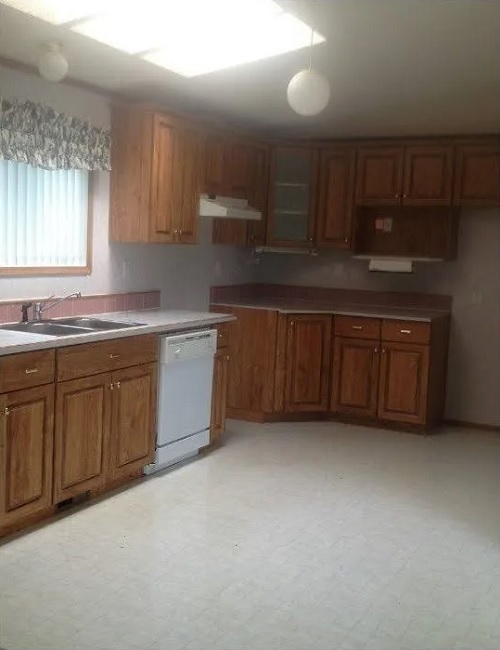
An estate may be headed toward sale, rental, occupancy by a family member, or a full renovation. The restoration plan should match that goal. A home being listed for sale may need repairs to damaged walls and flooring, deep cleaning, odor treatment, and exterior debris removal. A property being retained by family may call for more extensive reconstruction and updates.
This is where an all-in-one provider reduces stress. Rather than handing a partially cleared property from one vendor to the next, Renew Cleaning & Restoration can coordinate inspection, removal, sanitation, remediation, repairs, and reconstruction through one project path. That means fewer handoffs and a clearer answer when someone asks what happens next.
What Families and Estate Representatives Can Do Before Help Arrives
If the home is safe to enter, gather known estate documents and personal valuables that are immediately accessible. Avoid climbing over stacks, opening sealed containers with unknown contents, or disturbing areas with strong odors, visible mold, animal waste, or damaged ceilings. Those conditions can create health and injury risks that are not worth taking on alone.
It also helps to appoint one decision-maker for the project. That person can approve estimates, clarify what should be saved, communicate with heirs, and receive progress updates. If several people need input, establish a simple process for decisions before the crew begins sorting.
For properties in Texas, a responsive restoration company can be especially valuable when weather, vacancy, or a real-estate timeline adds pressure. A vacant house with an old leak, failing air conditioning, or open pest entry points can deteriorate quickly. Moving from cleanup into repairs without delay helps protect the estate’s value.
Cost Depends on Conditions, Not Just Square Footage
It is understandable to ask for a flat price over the phone, but hoarding estate recovery is not priced accurately by room count alone. The amount of contents, level of contamination, access limitations, disposal needs, pest activity, water or mold damage, and required repairs all affect the scope.
A careful on-site assessment provides a more dependable estimate and prevents unpleasant surprises later. Ask whether the estimate includes sorting support, hauling, disposal, sanitation, odor treatment, remediation, and repairs, or whether those services will be handled separately. A low initial cleanout quote can become expensive if it excludes the restoration work that the property actually needs.
The property did not reach this condition overnight, and recovery should not be treated as a careless rush job. With a safe plan, documented sorting, trained cleanup, and the right repairs, an overwhelming estate can become a clean, secure property ready for the next responsible step.