What Is Level 5 Hoarding? Risks and Next Steps
A home can reach level 5 hoarding conditions when the issue is no longer simply clutter or an overwhelming cleaning project. If you are asking, “what is level 5 hoarding,” you may be seeing a property where basic living areas are unusable, sanitation has failed, and the health and safety of anyone entering the space may be at risk. This is a difficult situation for families, landlords, estate representatives, and property managers. It also requires discretion, patience, and a plan that puts people’s safety first.
What Is Level 5 Hoarding?
Level 5 is the most severe category on the commonly used hoarding condition scale. The scale can help describe the condition of a home, but it is not a medical diagnosis and should not be used to judge the person living there. Hoarding disorder is a mental health condition that deserves compassionate, qualified support. A level 5 designation describes the property hazards that may result when accumulated belongings, waste, contamination, pests, and damage make a home unsafe to occupy.
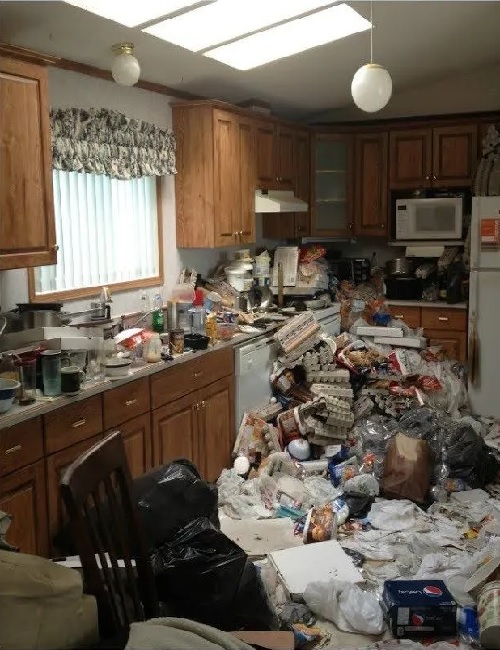
At this level, rooms may be blocked by floor-to-ceiling contents. Hallways, doors, stairs, kitchens, and bathrooms may not be accessible. The home may have strong odors, visible mold, animal or human waste, spoiled food, insects, rodents, or deceased animals. Water leaks, roof damage, plumbing failures, electrical problems, and fire damage can remain hidden beneath the accumulation for months or years.
Not every severely cluttered home is level 5. Conditions vary, and a professional inspection is the safest way to understand what is present. Still, when normal use of the home has stopped and the environment poses immediate health or safety risks, the situation should be treated as a specialized cleanup and restoration project.
Common Signs of Level 5 Hoarding Conditions
A level 5 property often has several hazards at once, rather than one isolated problem. There may be no clear walking path through the home, or paths may be narrow and unstable. Doors and windows can be blocked, making escape difficult during a fire or medical emergency. Rooms may be inaccessible, including the kitchen, bathrooms, bedrooms, and utility areas.
Sanitation is often a central concern. Trash may be mixed with personal belongings, spoiled food, animal waste, soiled fabrics, and standing water. Pests can spread through cabinets, walls, attics, and crawl spaces. If rodents, insects, or animal remains are involved, cleanup may require containment and disinfection measures beyond standard residential cleaning.
Structural and mechanical damage is also common. The weight of stored materials can strain floors, particularly in upper-level rooms. Hidden leaks can lead to rot and mold growth. Electrical outlets may be overloaded, wiring may be damaged, and appliances may be inaccessible or unsafe to operate. In some cases, the property cannot be evaluated fully until contents are removed and affected materials are exposed.
Why a Level 5 Hoarding Cleanup Is Different
A conventional cleaning crew may be able to remove surface dirt from an accessible room. A level 5 hoarding cleanup can involve biohazard concerns, pest activity, odor contamination, damaged building materials, and unsafe access throughout the property. It needs a more deliberate process.
The first priority is assessing hazards before anyone begins moving items. A trained team may identify unstable stacks, contaminated areas, sharp objects, unsafe flooring, mold, water damage, compromised ceilings, or possible electrical risks. Personal protective equipment, appropriate disposal methods, and controlled work areas help reduce exposure for workers, occupants, and family members.
The second priority is preserving dignity. Hoarded items can include documents, photographs, heirlooms, financial records, medications, and other important belongings. A responsible cleanup process does not treat every item as trash. It establishes clear decisions with the client or authorized representative about what should be saved, reviewed, donated, recycled, or removed.
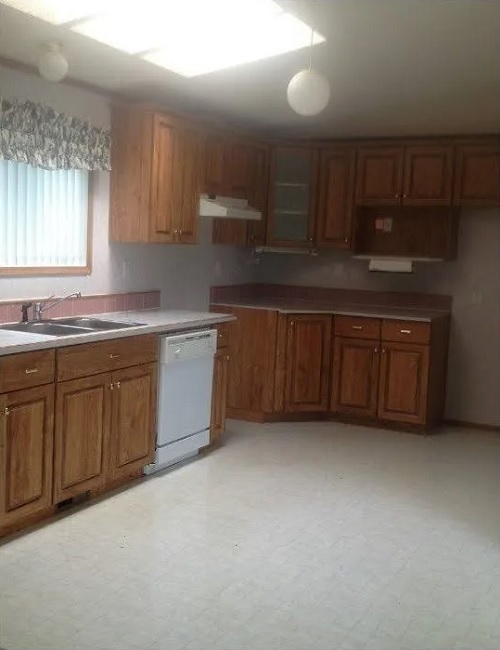
Finally, removal alone may not make the property safe. After the contents are cleared, the home may need deep cleaning, disinfection, odor treatment, pest-related cleanup, mold remediation, water-damage mitigation, repairs, or reconstruction. A single provider that can manage the project from inspection through restoration can prevent the client from having to coordinate several vendors during an already stressful time.
Immediate Risks to Take Seriously
Level 5 conditions can create immediate danger, especially for older adults, children, people with limited mobility, or anyone with respiratory conditions. Fire risk rises when exits are obstructed, flammable materials are stored near heat sources, or electrical systems are overloaded. Emergency responders may have limited access if someone needs medical care or the property catches fire.
Air quality can also be a concern. Dust, mold spores, pest debris, ammonia odors, and contaminated materials can irritate the eyes and lungs. Strong odors are not just unpleasant – they can signal moisture damage, decay, waste, or other sanitation problems that need investigation.
There is also a fall and collapse risk. Stacked materials can shift unexpectedly, while hidden floor damage or wet areas can give way underfoot. Avoid climbing over piles, moving large stacks alone, or turning on appliances that may be damaged or obstructed.
If there is standing water, exposed wiring, a gas smell, a recent death, human waste, needles, extensive animal remains, or a possible crime scene, do not attempt a DIY cleanup. Keep people out of the affected area and contact the appropriate emergency or specialized cleanup professionals.
A Safer Way to Begin the Cleanup
The first step is not to rent a dumpster and start pulling things out. In severe hoarding environments, rushing can lead to injuries, lost valuables, cross-contamination, and disposal problems. Start by identifying who has authority to make decisions for the property. That may be the homeowner, a family member, an estate executor, a landlord, or a court-appointed representative.
Next, arrange a professional assessment. The assessment should identify immediate safety issues, access limitations, the types of materials present, likely contamination, odor sources, and visible property damage. It should also create a realistic work plan. The scope may change once hidden areas are exposed, so clear communication about that possibility matters.
Before work starts, decide how important belongings will be handled. Families may want a designated review area for documents, photographs, jewelry, legal paperwork, and sentimental items. Be realistic about the pace, however. At level 5, attempting to inspect every individual object can stall a project and prolong unsafe living conditions. A practical triage process protects priority items while allowing the property to move toward a safe, usable condition.
What Professional Cleanup May Include
The right scope depends on the property, but level 5 cleanup commonly begins with controlled removal of trash, damaged contents, and materials that cannot be safely sanitized. Teams may then clean and disinfect affected surfaces, remove odor sources, address animal waste or biohazard conditions, and treat mold or moisture damage when present.
Once the home is clear enough to inspect, restoration work can begin. That may include repairing subfloors, drywall, plumbing, electrical components, cabinets, doors, or damaged finishes. In more extensive cases, portions of the home may need reconstruction before it can safely return to use.
For Texas property owners, Renew Cleaning & Restoration can coordinate inspection, removal, sanitation, remediation, repairs, and reconstruction through one accountable team. That approach is especially useful when a property needs more than cleanup and the owner needs a clear path forward rather than a list of separate contractors to call.
Supporting the Person, Not Just the Property
Families often focus on the visible condition of the house because it is urgent. But a lasting outcome also depends on treating the person involved with respect. Shame, conflict, grief, trauma, depression, and anxiety can all make the process harder. Angry confrontations or surprise cleanouts can damage trust and may make it harder for someone to accept help.
When possible, involve the person in decisions and give them clear, manageable choices. Mental health support, social services, medical care, and ongoing organization assistance may be part of the longer-term plan. Cleanup restores the property, but continued support helps reduce the chance that dangerous conditions return.
A level 5 hoarding situation can feel too large to solve. It becomes manageable when the first goal is simple: make the space safe, protect the people involved, and take the next right step with experienced help.