What to Do When Your Tenant Was a Hoarder
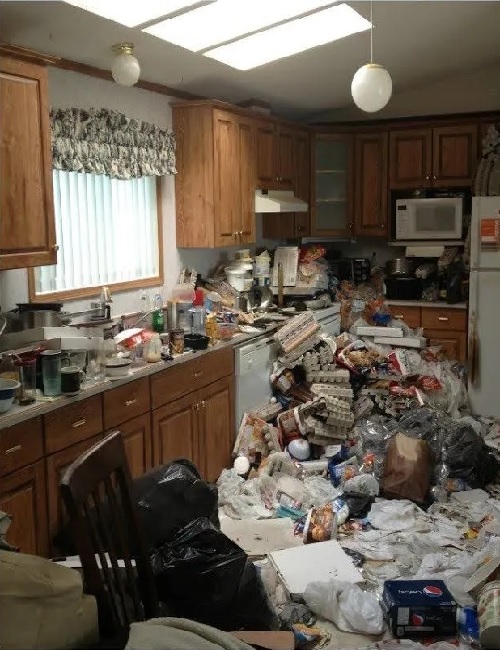
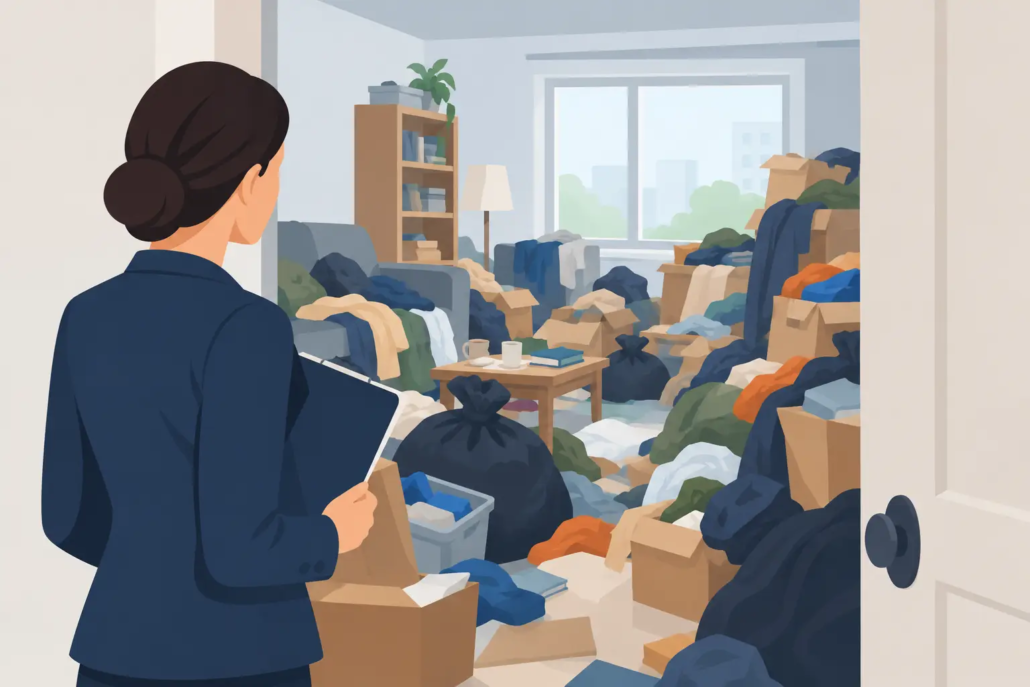
A vacant unit can look manageable from the doorway, then reveal blocked exits, damaged floors, pests, spoiled food, animal waste, and odors that reach into the walls. If you are wondering what to do when your tenant was a hoarder, start by protecting people, preserving evidence, and getting a clear picture of the condition before anyone starts hauling items out.
This is not simply a turnover cleaning job. Hoarding conditions can create sanitation hazards, conceal water damage or mold, attract rodents and insects, and leave personal property behind with legal implications. A methodical response protects your rental, supports a defensible deposit decision, and helps you return the unit to safe occupancy without creating a bigger problem.
First, make the property safe and secure
Before entering deeply into the unit, confirm that you have lawful access under the lease and applicable Texas law. If the tenant has moved out, document the signs of abandonment rather than relying on assumptions. If an eviction, death, hospitalization, or family dispute is involved, speak with qualified legal counsel before removing belongings or changing locks.
Do not send maintenance staff or an unprepared cleaning crew into a severely affected home. Narrow pathways, unstable stacks, sharp objects, feces, mold, insects, rodents, and unknown substances can make ordinary cleanup unsafe. Turn on utilities only when it is safe to do so, and avoid using candles, open flames, or equipment that could create an ignition risk around damaged wiring or heavy odors.
If there is an active leak, sewage backup, electrical hazard, suspected drug residue, human waste, deceased animals, or evidence of a crime, treat it as an urgent remediation issue. Secure the space and bring in properly trained professionals. The first goal is not speed for its own sake. It is preventing injuries, contamination, and unnecessary damage to the property.
Document everything before cleanup begins
Thorough documentation is one of the most useful steps a landlord or property manager can take. Photograph and video each room from multiple angles, including ceilings, walls, floors, appliances, cabinets, bathrooms, closets, exterior areas, and visible damage. Record blocked access points, pest activity, odors, stains, and any conditions that make the unit unsafe.
Create a written condition report while details are fresh. Note the date, who entered the property, the reason for entry, and what was found. Compare the current condition to move-in photos, inspection reports, maintenance records, and the lease. This documentation may be needed for deposit accounting, insurance claims, litigation, or communication with an owner, estate representative, or attorney.
Keep the report factual. Write “animal waste visible on bedroom carpet” rather than assigning blame or diagnosing a tenant. Clear observations are more useful than emotional language, particularly when a difficult situation later becomes a legal dispute.
Separate belongings from debris
One of the biggest mistakes after a hoarding tenancy is treating everything in the unit as trash. Personal property rules can apply even when items appear to have little value. There may be documents, medications, family photographs, valuables, or estate-related materials buried in the contents.
Follow the lease, your local requirements, and legal guidance on abandoned property. When removal is authorized, an experienced cleanup team can help separate obvious personal effects from unsalvageable contaminated materials and maintain an inventory process. That approach is slower than filling a dumpster immediately, but it can prevent a costly claim and show that the property was handled responsibly.
Assess the real scope of damage
What looks like clutter can hide a much larger restoration project. Once contents are removed safely, inspect the building itself. Check for moisture behind furniture and piles, damaged subflooring, wall staining, pest entry points, mold growth, appliance failures, broken plumbing fixtures, and HVAC contamination.
Odors also need a source-based assessment. Covering a smell with fragrance rarely works when the cause is urine, spoiled food, smoke residue, mildew, or decomposing organic material. In many cases, affected carpet and padding must be removed, hard surfaces cleaned and disinfected, porous materials evaluated for replacement, and HVAC components inspected before the odor can be resolved.
A professional assessment should distinguish between cleaning, remediation, repair, and reconstruction. For example, a stained wall may be cleanable, while a urine-saturated baseboard and damaged drywall may need removal. A water-damaged floor might require drying and repair before new flooring is installed. Trying to save materials that are no longer sanitary can delay turnover and lead to complaints from the next tenant.
Handle cleanup in the right order
When a tenant was a hoarder, cleanup needs to follow a controlled sequence. Removing contents comes first, but only after the unit has been documented and personal-property requirements have been addressed. Then the team can expose affected surfaces, identify hazards, and remove contaminated materials.
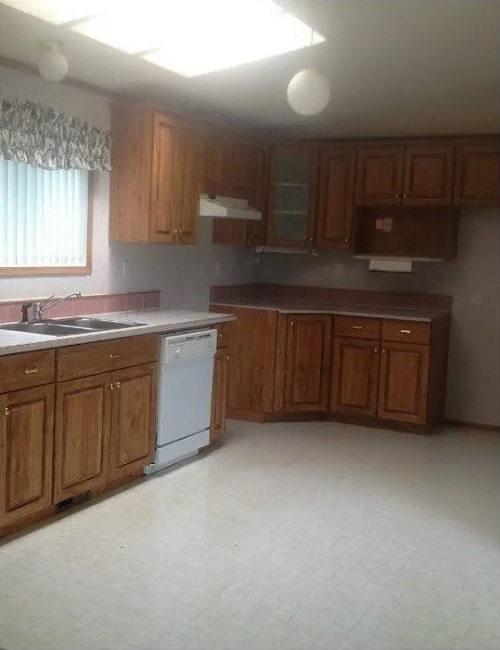
A complete project commonly includes contents removal, pest-related sanitation, biohazard or animal-waste cleanup when needed, detailed cleaning, odor treatment, mold or water mitigation, and disposal of unsalvageable carpet, padding, drywall, insulation, or flooring. Repairs should follow after the space is clean, dry, and safe to rebuild.
This order matters. Installing paint, flooring, or cabinets before odor sources and moisture problems are corrected can waste money. It can also trap contamination behind new finishes. The fastest path to a rentable unit is often the one that addresses the entire condition correctly the first time.
For high-complexity properties, a single-provider restoration company can reduce the coordination burden. Renew Cleaning & Restoration can manage inspection, removal, sanitation, odor work, remediation, repairs, and reconstruction so property owners are not left scheduling separate crews for every stage.
Review the lease, deposit, and insurance options
Hoarding itself is not automatically a reason to withhold a security deposit. The question is whether the tenant caused damage beyond ordinary wear and tear, failed to meet cleaning obligations, or created charges permitted under the lease and Texas law. Keep invoices, photos, inspection records, and estimates that support any deductions.
Avoid guessing at costs or using the deposit as a penalty. Charge only for documented, allowable work, and provide the required accounting and notices on time. If repair costs exceed the deposit, decide whether collection is practical after reviewing the lease, evidence, tenant circumstances, and advice from counsel.
Insurance may help in some situations, but coverage depends on the policy and cause of loss. Sudden water damage, accidental fires, or certain vandalism-related losses may be treated differently from gradual deterioration, infestation, or routine cleaning. Notify the carrier promptly when there is a potential claim, and do not discard evidence the adjuster may need to inspect.
Prevent a repeat at the next turnover
A severe hoarding cleanup is also a reason to improve inspection practices. Regular, properly noticed inspections can identify clutter, leaks, pest activity, unsafe exits, and housekeeping issues before they become a full restoration project. The goal is not to shame a tenant. It is to protect the property and give the tenant an opportunity to correct dangerous conditions earlier.
Use clear lease language on sanitation, access, prohibited hazards, pets, waste disposal, and maintenance reporting. Train property staff to document concerns calmly and consistently. When a tenant appears overwhelmed, a firm but respectful notice is often more productive than a confrontational approach.
A hoarding-related turnover can feel overwhelming because it combines property damage, health concerns, legal questions, and a tight leasing timeline. Treat the unit with care, preserve the facts, and bring in qualified help before the cleanup becomes another loss. With the right response, even a severely affected rental can be made safe, repaired properly, and ready for its next chapter.