Best Odor Removal Methods for Lasting Results
A bad odor is rarely just an air-quality problem. It is often evidence that moisture, smoke residue, bacteria, animal waste, mold growth, or contaminated materials are still present somewhere in the property. The best odor removal methods do more than cover the smell for a few hours. They locate the source, remove or treat it safely, and restore the affected space so the odor does not return.
For a homeowner, landlord, facility manager, or real estate professional, the right approach depends on what caused the odor and how deeply it has traveled. A spilled drink on a rug needs a very different response than smoke moving through an HVAC system or sewage soaking into flooring. Acting quickly can protect the property, reduce replacement costs, and make the space safer to occupy.
Start With the Source, Not the Smell
Air fresheners, scented candles, and odor sprays can make a room more comfortable temporarily, but they cannot remove contamination. In some situations, heavy fragrances make it harder to notice that a serious issue is getting worse. If a smell fades and returns, assume the source remains.
Begin with a careful inspection. Look for visible staining, damp carpet padding, damaged drywall, leaks under sinks, pet accidents, food debris, smoke film, mold-like growth, or forgotten items in closets and vents. Pay close attention to porous materials, including carpet, upholstery, insulation, unfinished wood, ceiling tiles, and drywall. These materials can absorb odor-causing particles well below the surface.
Moisture is a major warning sign. A musty odor may come from a small plumbing leak, past flood damage, condensation around an HVAC unit, or water trapped under flooring. Drying the room without correcting the moisture source may reduce the smell briefly, but it will not solve the underlying problem.
Best Odor Removal Methods by Cause
There is no single product that works for every odor. The most effective method matches the treatment to the material and the source.
Pet urine and animal odors
Fresh pet accidents respond best to quick extraction and an enzyme-based cleaner designed to break down organic residue. Blotting alone is not enough if urine has reached carpet padding, subflooring, baseboards, or furniture cushions. Saturation, rather than surface staining, is what often creates the lingering odor.
For older or repeated accidents, a blacklight inspection can help identify affected areas that are no longer visible. Carpet and padding may need to be lifted, cleaned, or replaced. In severe cases, the subfloor needs sealing after proper cleaning and drying. Covering the spot with a deodorizer before the residue is treated usually leads to a repeat problem.
Smoke and fire odors
Smoke is especially difficult because its particles are small, oily, and capable of moving through the entire structure. They can settle in walls, insulation, cabinets, drapes, carpet, upholstery, electronics, and HVAC ductwork. Cooking smoke from a minor kitchen incident may be manageable with detailed cleaning and ventilation. Odors after a structure fire require a much more complete restoration plan.
Professional smoke odor removal often begins with removing unsalvageable charred materials and cleaning surfaces with products appropriate for the type of fire residue. Technicians may use HEPA air filtration, thermal fogging, hydroxyl treatment, or ozone treatment in controlled, unoccupied conditions. These methods are not substitutes for cleaning. They work after source removal to neutralize odor molecules that remain in hard-to-reach areas.
Do not run a home HVAC system after a fire until it has been evaluated. Running it can spread soot and smoke odor into areas that were previously unaffected.
Musty odors, mold, and water damage
A musty odor should be treated as a moisture investigation, not a fragrance problem. Mold may be visible, but it can also grow behind baseboards, under flooring, inside wall cavities, or around air handlers. The priority is to stop the water source and dry the structure thoroughly.
Dehumidifiers and air movers can be helpful for a small, clean-water incident caught early. However, they must be used correctly. Blowing air across contaminated materials or hidden mold can spread particles rather than resolve the issue. Wet materials that cannot be dried promptly, such as saturated carpet padding or damaged drywall, may require removal.
After moisture control and remediation, remaining odors can be addressed through detailed cleaning, HEPA filtration, and targeted deodorization. If sewage, floodwater, or visible mold is involved, avoid disturbing the affected area without proper protective equipment and containment.
Sewage, garbage, and decomposition odors
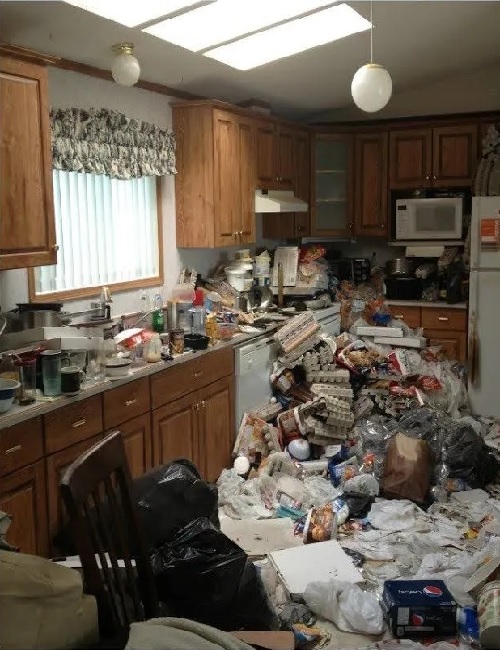
Organic odors from sewage backups, spoiled food, animal remains, decomposition, or heavy trash accumulation can involve harmful bacteria and other biohazards. These are not typical cleaning jobs. The affected materials, including carpet, padding, drywall, insulation, and personal contents, may be contaminated even when they look intact.
The safest process includes containment, removal of unsalvageable materials, cleaning and disinfection, drying, and deodorization. Porous items may need disposal when they cannot be safely restored. For families, estate representatives, and property managers handling a sensitive situation, professional help also reduces unnecessary exposure and protects privacy.
Cooking, grease, and everyday household odors
Burned food, grease, and routine household odors are usually less hazardous, but they can become stubborn when residue collects on cabinets, ceilings, filters, and fabrics. Clean hard surfaces with an appropriate degreaser, wash washable fabrics, empty drip pans and trash areas, and replace HVAC filters if they carry the odor.
Ventilation helps, but it is not a cure for grease film. If an odor is concentrated near the range hood, refrigerator drip pan, dishwasher, or garbage disposal, cleaning those components directly is more effective than treating the room air.
Why Odor Treatments Sometimes Fail
Odor removal fails when the treatment is too shallow for the damage. A carpet shampoo may improve the surface while leaving contaminated padding below. A fogging treatment may reduce airborne odors while smoke residue remains on walls. A fresh coat of paint may trap a smell temporarily if the surface was not cleaned and sealed properly first.
Another common problem is using too much water during cleaning. Overwet carpet, upholstery, or flooring can create the moisture conditions that lead to a new musty odor. The goal is controlled cleaning followed by complete drying, not simply applying more product.
DIY ozone machines deserve particular caution. Ozone can irritate the lungs and may damage certain materials. It should never be used around people, pets, or plants, and it does not eliminate the need for source removal. For significant smoke, trauma, sewage, mold, or decomposition odors, trained restoration professionals can determine whether this type of treatment is appropriate and manage it safely.
When to Call an Odor Removal Professional
Call for professional assessment when the odor follows a fire, flood, sewage backup, mold concern, animal infestation, trauma scene, hoarding condition, or an undiscovered leak. You should also get help when odors return after cleaning, spread through multiple rooms, affect an occupied commercial space, or are delaying a sale, move-in, renovation, or insurance claim.
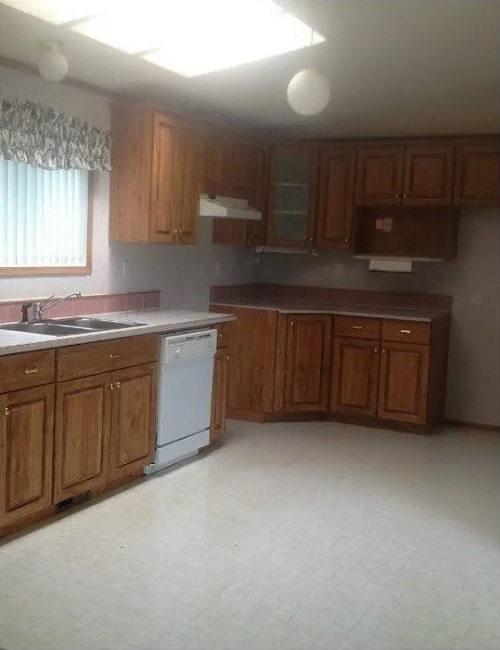
A qualified restoration team can identify hidden moisture and odor reservoirs, protect unaffected areas, remove contaminated materials, clean and deodorize the structure, and handle needed repairs or reconstruction. That matters when several trades would otherwise be involved. The work should be documented clearly, especially for property managers, insurers, and owners managing a large loss.
At Renew Cleaning & Restoration, one call can coordinate inspection, cleanup, odor treatment, repairs, and reconstruction for difficult property conditions across Texas. The goal is not to make a space smell perfumed. It is to make it clean, safe, and ready for the next step.
If an odor is telling you something is wrong, trust that signal. Addressing the source early is usually the fastest path back to a property that feels healthy, usable, and truly restored.