The Real Dangers of Hoarding for Texas Homes
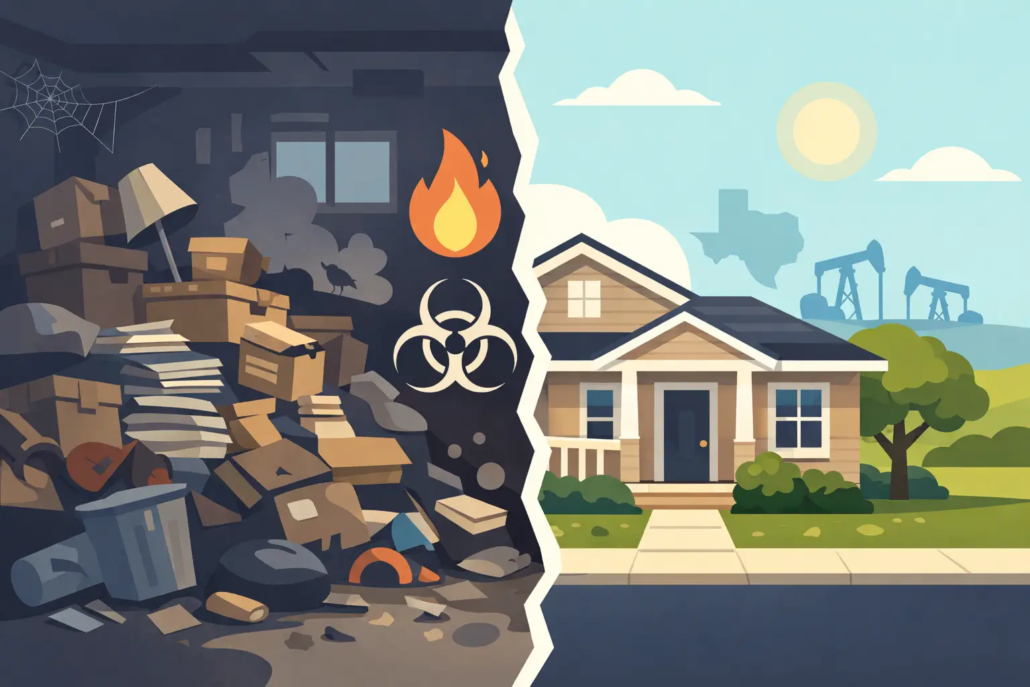
A narrow path through stacked bags, unopened mail covering a counter, and belongings piled against a door can turn an ordinary home into a serious safety concern. The real dangers of hoarding are not about judging someone’s housekeeping. They involve the health of the people inside, the condition of the structure, and the safety of anyone who may need to enter during an emergency.
For families, landlords, estate representatives, and property managers, these situations can feel overwhelming because the problem rarely has one simple fix. A property may need sorting and removal, deep cleaning, pest treatment coordination, odor control, repairs, and sometimes full restoration. The right response is calm, respectful, and thorough.
The Real Dangers of Hoarding Go Beyond Clutter
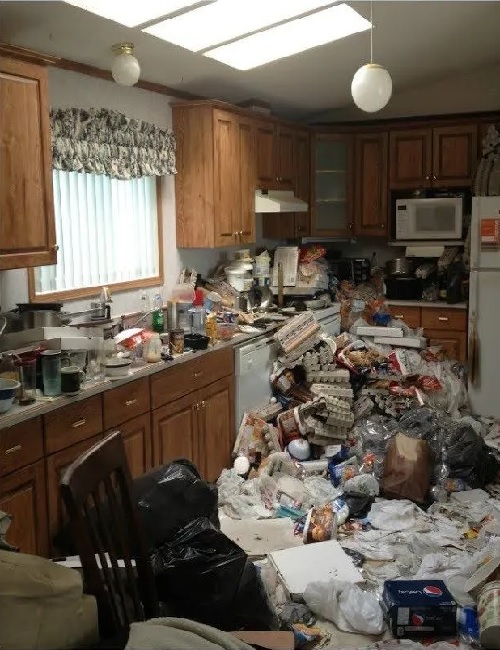
Hoarding conditions can develop gradually. What begins as difficulty letting go of possessions may eventually limit how a home functions. Rooms may no longer be usable, appliances may be inaccessible, exits may be blocked, and leaks or damage can remain hidden for months or years.
The severity depends on the condition of the property. A home with crowded shelves and clear walkways presents a different level of concern than one with floor-to-ceiling accumulation, spoiled food, animal waste, insects, or structural damage. Still, once daily living areas and safety systems are obstructed, the risks deserve immediate attention.
Fire and emergency access risks
Blocked exits are one of the most urgent hazards. In a fire, residents may be unable to reach a door or window quickly. First responders can also have trouble entering the property, locating occupants, or moving safely through unstable pathways.
Paper, clothing, boxes, and other combustible materials can accelerate a fire. Piles placed near stoves, heaters, electrical outlets, extension cords, or furnaces create additional danger. Smoke alarms may be blocked, damaged, or unable to provide enough warning if a resident cannot move through the home easily.
Falls, injuries, and limited mobility
Uneven stacks, loose items on stairs, and narrow walkways make falls more likely. This is especially dangerous for older adults, people with mobility challenges, and anyone recovering from illness or injury. A minor fall can become life-threatening when a person cannot reach a phone, open a door for help, or be found promptly.
Heavy items stacked overhead can shift or collapse. Furniture and stored belongings may block bathrooms, bedrooms, kitchens, and medication supplies, making everyday care harder and increasing the chance of injury.
Hidden moisture, mold, and property damage
Hoarded contents can conceal water damage from plumbing leaks, roof failures, appliance problems, or flooding. By the time the issue is discovered, moisture may have affected flooring, drywall, cabinets, insulation, and structural materials.
Mold can grow where damp conditions remain undetected. It may be behind stored items, beneath carpeting, inside cabinets, or along walls that cannot be inspected. A cleanup that removes visible belongings without addressing moisture can leave the underlying problem in place. That is why a proper assessment should look beyond what is piled in the room.
Pests, contamination, and persistent odors
Food waste, standing water, animal waste, and inaccessible cleaning areas can attract rodents, roaches, flies, and other pests. These conditions can contaminate surfaces and spread odors throughout the property. In severe cases, decomposition, bodily fluids, needles, spoiled materials, or animal remains may require biohazard-level handling.
Odor is not only unpleasant. It can signal contamination, moisture, hidden pests, or materials that must be safely removed. Masking it with fragrance does not resolve the source. Effective odor removal starts with identifying and treating the damaged or contaminated materials causing it.
When Hoarding Affects the Building and Other People
Hoarding can affect more than one household. In apartments, condos, duplexes, and commercial properties, pests, water damage, odors, smoke, and fire hazards can spread to neighboring units. Property owners may face lease issues, code concerns, insurance complications, delayed sales, and costly repairs if conditions continue unchecked.
For relatives, the emotional strain can be just as significant. A family member may feel ashamed, defensive, frightened, or pressured when others raise concerns. Arguments about what should be kept can stall necessary action. It helps to frame the conversation around safety and access rather than forcing a debate about every individual item.
If there is immediate danger, such as blocked exits, active water damage, a strong gas-like odor, exposed wiring, or unsafe living conditions, protecting people comes first. Do not attempt to move unstable piles, handle unknown substances, or enter an area that may contain pests, mold, or biohazards without proper protection.
A Safer Way to Address a Hoarded Property
Trying to clear an entire home in one emotional weekend often creates more stress and may expose family members to hazards they did not expect. A better approach starts with an honest assessment of what is present and what the property needs to become safe again.
A professional cleanup plan may include sorting and removal of contents, hauling and disposal, detailed cleaning, sanitation, odor treatment, pest-related cleanup, and inspection for hidden damage. If moisture, mold, fire damage, or structural issues are found, the work may continue into mitigation, repairs, and reconstruction. One coordinated plan helps prevent the common problem of clearing a room only to discover that the floor, walls, plumbing, or HVAC system also need attention.
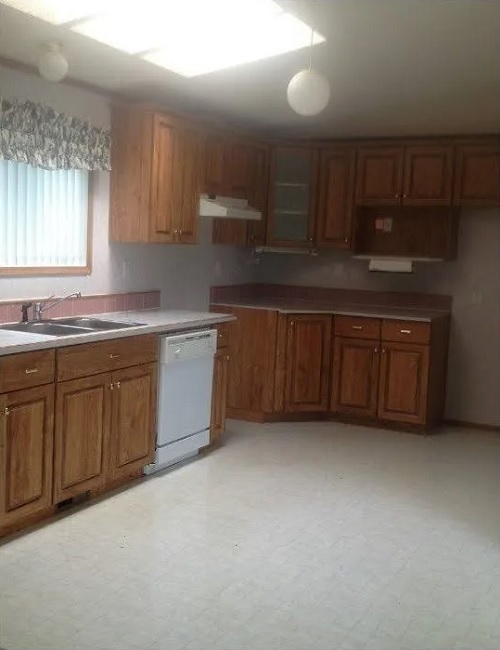
For sensitive situations, discretion matters. The goal should not be to embarrass the person affected or treat their belongings carelessly. It should be to restore safe access, sanitary conditions, and a functional living space while following the family’s priorities whenever possible.
Signs it is time to call for professional help
Professional assistance is especially valuable when the property has any of these conditions:
- Exits, stairs, hallways, or utility access points are blocked.
- There is mold, standing water, animal waste, insects, rodents, or strong persistent odor.
- The volume of contents makes it unsafe to identify damage or move through the home.
- The project involves an estate, rental turnover, sale preparation, code compliance, or an insurance-related loss.
- Cleanup may require repairs, sanitation, remediation, or reconstruction after removal.
The scope of work should match the actual condition of the property. Some homes need careful removal and deep cleaning. Others require a larger restoration project after years of concealed damage. A clear inspection and written estimate can help families and property decision-makers understand the next steps without guessing.
Compassion and Safety Can Work Together
The person living in the home should be treated with dignity, even when the property condition is severe. Shame often keeps people from asking for help, and harsh language can make a difficult situation harder to resolve. At the same time, compassion does not mean overlooking real hazards. A blocked exit, contaminated kitchen, or hidden leak needs prompt action.
For Texas property owners and families facing a difficult cleanup, Renew Cleaning & Restoration can handle the process from inspection and removal through sanitation, repairs, and reconstruction when needed. A trained team can take on the physically demanding, hazardous work while giving clients one accountable point of contact.
The most helpful first step is often a simple one: make the home safer today. Clear a path to exits if it can be done safely, protect access to essential utilities, and ask for qualified help before hidden damage becomes a larger emergency.