Hoarding Cleanup Versus Junk Removal Explained
A packed garage, an inherited home, or a tenant move-out can look like a hauling job at first. But hoarding cleanup versus junk removal is not simply a question of how much material needs to leave the property. The difference is the condition of the space, the possible health risks, and what must happen after the contents are removed.
For Texas homeowners, families, landlords, property managers, and estate representatives, choosing the wrong type of service can leave hidden contamination, odors, pests, moisture damage, or structural problems behind. A clear assessment helps determine whether a standard junk crew is enough or whether the property needs trained cleanup and restoration professionals.
What Junk Removal Is Designed to Handle
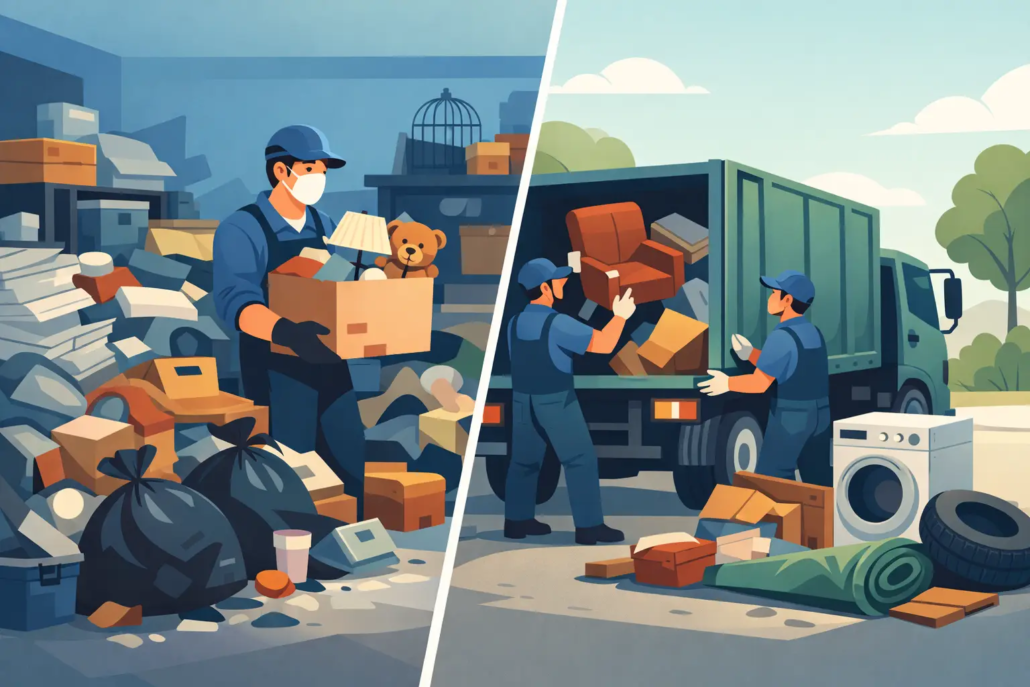
Junk removal is primarily a hauling service. A crew arrives, loads unwanted items, and takes them to an appropriate disposal, recycling, or donation destination. It is often a good fit when belongings are dry, accessible, and free of hazardous contamination.
For example, junk removal may be appropriate after a routine garage cleanout, an office furniture replacement, a light move-out, or a renovation that leaves behind old cabinets, flooring, and debris. The goal is volume reduction and responsible disposal.
A qualified junk removal provider may handle bulky items such as mattresses, appliances, boxes, furniture, yard waste, and construction debris. However, the work generally does not include detailed sanitation, biohazard handling, odor treatment, pest-related cleanup, mold remediation, or repairs to the home.
That distinction matters. Removing visible items does not automatically make a property clean, safe, or ready for occupancy.
Hoarding Cleanup Versus Junk Removal: The Core Difference
Hoarding cleanup is a condition-based service, not just a removal service. It may involve large amounts of accumulated possessions, but the work often requires a careful process of sorting, sanitation, containment, disposal, remediation, and restoration.
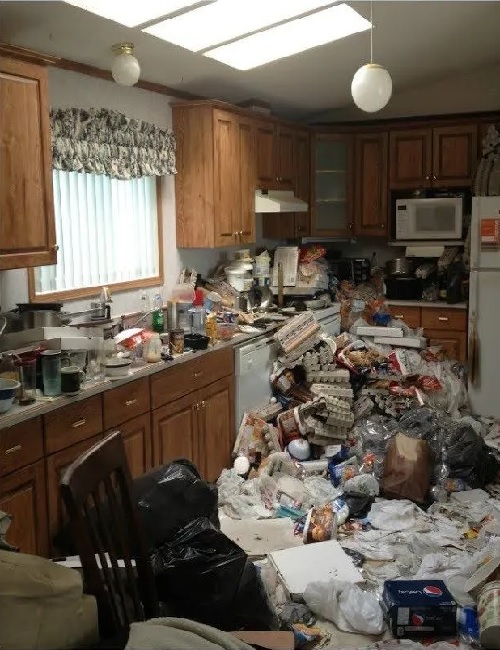
A hoarding environment can develop over years. Pathways may be blocked, exits may be inaccessible, and flooring or walls may be hidden beneath stored materials. In more severe situations, crews may encounter animal waste, spoiled food, insects, rodents, mold, bodily fluids, sharp objects, damaged utilities, or strong odors that have penetrated porous materials.
This is where a basic hauling approach can fall short. If contaminated contents are removed without proper protective measures and cleaning protocols, the work can spread contaminants through the property or leave unhealthy conditions below the surface.
Hoarding cleanup also requires a different level of discretion. Families may be dealing with a loved one in distress, an estate after a death, a tenant situation, or a property that must be made safe quickly. The right team treats the people involved with patience and respect while keeping the project moving forward.
Signs the Property Needs More Than Hauling
Not every heavily cluttered property requires specialized remediation. Still, certain conditions should prompt a professional inspection before anyone begins loading bags or moving furniture.
A hoarding cleanup team is usually the better choice when there are blocked exits or walkways, strong or persistent odors, visible mold, pest activity, animal waste, spoiled food, water damage, damaged flooring, or evidence that the property has not been safely maintained. The same applies when there are needles, sharp items, medications, bodily fluids, decomposition, or other potential biohazards.
Properties with excessive clutter can also hide damage that is easy to miss during an initial walk-through. A slow plumbing leak may have caused subfloor damage. A roof leak may have created mold behind piles of boxes. Rodent activity may have affected insulation, drywall, wiring, and air quality. Once the material is cleared, the property may need cleaning, odor removal, repairs, or reconstruction before it can be occupied or listed for sale.
For landlords and property managers, this distinction can affect turnover time and liability. A unit that looks empty after hauling may still fail a safe, rentable condition if odors, contamination, moisture damage, or pest issues remain.
Sorting Is Part of the Job
One of the most common concerns in a hoarding situation is the fear of throwing away something important. Financial records, legal documents, family photographs, jewelry, military items, heirlooms, and personal keepsakes can be mixed into ordinary household contents.
Junk removal crews typically work from a straightforward direction: identify what goes and haul it away. Hoarding cleanup often requires a more deliberate plan. Before removal starts, the client or authorized representative should identify items to preserve, donate, recycle, return, or dispose of.
The process does not need to become endless. Clear decisions, labeled keep areas, and practical limits help prevent sorting from stopping the project entirely. In urgent cases, such as an unsafe home, a lease deadline, or a property sale, a trained team can help establish priorities while protecting designated items.
Safety and Sanitation Change the Scope
The biggest cost difference between hoarding cleanup and junk removal is often labor and safety requirements. A clean, accessible room full of unwanted furniture can be loaded quickly. A contaminated or unstable environment requires more planning and more protective work.
Specialized cleanup may include personal protective equipment, containment measures, safe handling of contaminated materials, detailed cleaning and disinfection, deodorization, and removal of affected building materials. If mold, water damage, fire residue, or biohazards are present, the project may need remediation procedures that go well beyond hauling.
There is also a practical reason not to ask family members to handle severe conditions alone. Heavy clutter can conceal trip hazards, weakened floors, pests, broken glass, and unsafe air conditions. Emotional strain can make the work even harder, particularly after a loss or during a difficult family situation. Professional support gives everyone a clearer path forward.
What Happens After Contents Are Removed
With ordinary junk removal, the job may end when the truck pulls away. With hoarding cleanup, removal is often only the first stage.
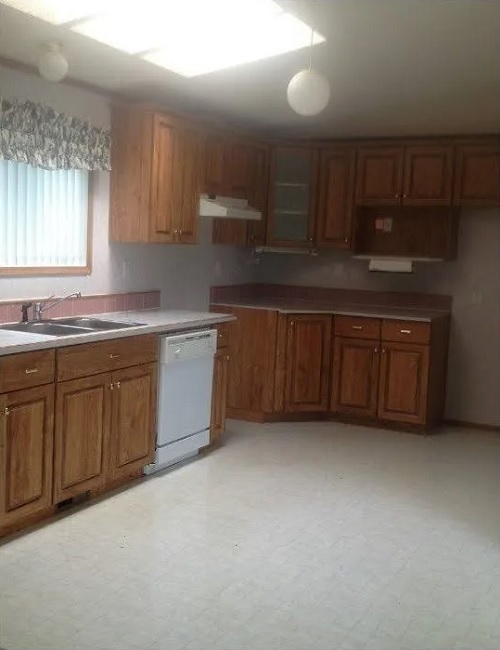
Once rooms are accessible, the property can be inspected for damage and cleaned from the floor up. Depending on the findings, that may include deep cleaning, odor treatment, pest-related sanitation, mold remediation, removal of damaged carpet or drywall, water damage mitigation, and repairs. In severe cases, reconstruction may be needed to return the space to a safe, usable condition.
That end-to-end capability is especially valuable when time matters. Instead of coordinating a hauler, cleaner, remediation contractor, repair crew, and painter separately, the property owner can work with one accountable provider. Renew Cleaning & Restoration can manage the project from inspection and removal through cleaning, mitigation, repairs, and reconstruction when the condition of the property calls for it.
How to Choose the Right Service
Start with an honest assessment of the property rather than the number of bags or truckloads involved. If the contents are clean, easily accessible, and the home needs no sanitation or repair work, junk removal may be the efficient and cost-effective choice.
If there are health concerns, blocked access, strong odors, animal waste, pests, moisture damage, mold, or uncertainty about what is underneath the clutter, request a professional cleanup assessment first. A detailed estimate should explain the scope of removal, cleaning, disposal, remediation, and any recommended repairs. It should also make clear what is included and what may be discovered after the space is opened up.
For urgent conditions, such as a property that cannot be safely entered, a unit needed for turnover, or a home affected by contamination, speed matters. A responsive team can stabilize the situation, protect the property, and help reduce the chance that a difficult cleanup turns into a larger restoration problem.
The goal is not merely to make a room look empty. It is to leave the property safer, cleaner, and ready for the next step, whether that means returning home, preparing for sale, completing repairs, or handing back a rentable space with confidence.