How Much Does Hoarding Cleanup Cost in Texas?
A home can look manageable from the doorway and reveal years of accumulated belongings, odors, pests, damage, or unsafe pathways once cleanup begins. So, how much does hoarding cleanup cost? The honest answer is that the price depends on the condition of the property, the amount of material involved, and whether cleanup must be paired with remediation or repairs.
For a small, accessible cleanup, costs may begin in the low thousands. For a heavily impacted home with multiple rooms, biohazard concerns, pest activity, strong odors, or structural damage, the total can reach $10,000 or more. A professional inspection is the only reliable way to understand the scope and receive an estimate that accounts for the entire job, not just the visible clutter.
Typical Hoarding Cleanup Cost Ranges
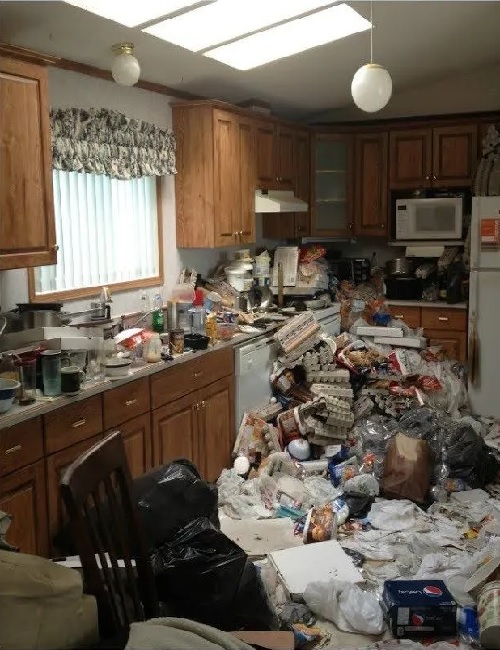
Hoarding cleanup is not a one-size-fits-all cleaning service. A crew may be removing a limited amount of household contents from a safe, occupied home. Or, it may be addressing floor-to-ceiling accumulation, animal waste, spoiled food, insects or rodents, mold, contaminated surfaces, and rooms that cannot be entered safely.
As a broad planning range, a light cleanup involving one or two rooms may cost roughly $1,500 to $4,000. A moderate project affecting several rooms often falls between $4,000 and $10,000. Extensive whole-home projects, especially those requiring sanitation, odor removal, remediation, demolition, or reconstruction, can exceed $10,000 and may be substantially higher.
Those ranges are planning tools, not promises. A low quote that covers only labor and hauling can leave a property owner responsible for sanitation, repairs, odor treatment, and disposal costs later. A complete estimate should explain what is included and identify work that may be needed after the property is cleared.
What Determines How Much Hoarding Cleanup Costs?
The amount of belongings is only one part of the price. Professional crews evaluate the conditions behind and beneath those belongings because hidden damage can affect safety, labor, disposal, and restoration needs.
The size of the affected space
A single bedroom with clear access takes far less time than a packed house, apartment complex unit, storage area, or commercial space. Square footage matters, but room access matters too. Narrow pathways, blocked stairs, filled garages, and material stacked above shoulder height can slow removal and require additional safety planning.
The volume and type of contents
Bagged household items, furniture, appliances, paper, clothing, and construction debris all require different handling. Heavy contents, excessive debris, and multiple truckloads increase labor and disposal expenses. Some items may need special handling because they contain chemicals, sharps, electronics, paint, medications, or other regulated materials.
A compassionate cleanup team does not assume everything is trash. Families may want to search for financial records, heirlooms, photographs, jewelry, legal documents, or other valuables before removal begins. Sorting and recovery work can add time, but it can also prevent painful losses during an already difficult situation.
Sanitation and biohazard conditions
When animal waste, human waste, bodily fluids, spoiled food, insects, rodents, or decomposition are present, standard cleaning is not enough. These conditions may require personal protective equipment, containment, disinfection, specialized waste handling, and deodorization. The work is more involved because the goal is to make the property safe, not simply make it look cleaner.
Biohazard conditions also affect what can be saved. Porous materials such as carpeting, padding, mattresses, damaged drywall, and particleboard furniture may hold contamination or odor that cannot be safely cleaned away. Removal and replacement can change the project budget, but leaving compromised materials in place can create a larger problem later.
Odors, mold, and pest activity
Persistent odors often point to an underlying source. Pet urine, smoke residue, decaying food, moisture damage, or contaminated materials may require more than surface deodorizer. Effective odor removal starts with removing the source, cleaning affected surfaces, and treating the air and materials as needed.
Mold and pest activity can also expand the scope. Rodent contamination, insect infestations, water intrusion, and mold growth may require remediation procedures before the property can be safely occupied or renovated. This is where an all-in-one provider can prevent delays between cleanup and the next necessary step.
Property damage and restoration needs
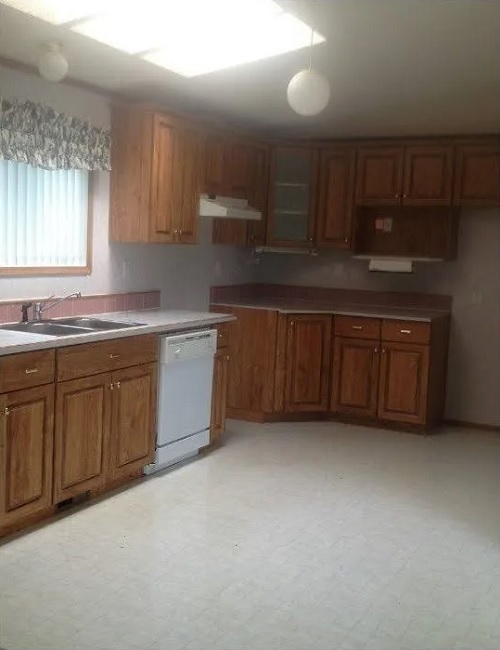
Hoarding conditions can conceal damaged floors, stained subfloors, weakened drywall, plumbing leaks, broken fixtures, fire risks, or HVAC contamination. Once contents are removed, the true condition of the property becomes visible. Cleanup may be only the first phase of returning a home, rental unit, or business space to usable condition.
If repairs are needed, ask whether the estimate includes only removal and cleaning or also covers mitigation, demolition, repairs, and reconstruction. Coordinating separate vendors can create gaps in responsibility and extend the time a property remains unoccupied.
What a Professional Hoarding Cleanup Estimate Should Include
A clear estimate should be based on an onsite inspection whenever possible. Photos can help provide an initial range, but they rarely show the full volume of contents, access issues, contamination, or concealed damage.
The estimate should identify the affected areas, labor and equipment needs, hauling or disposal, cleaning and disinfection, and any expected specialty services. It should also clarify whether the price includes searching for designated valuables, donation coordination when appropriate, odor treatment, pest-related cleanup, or removal of damaged building materials.
Be cautious with estimates that are unusually vague or unusually low. The lowest initial number can become expensive if it excludes disposal, protective measures, sanitation, or necessary follow-up work. Ask what conditions could change the final price and how the company will communicate those changes before proceeding.
Can Insurance Cover Hoarding Cleanup?
Insurance coverage varies widely. Most homeowners and rental policies do not cover cleanup simply because belongings accumulated over time. However, a policy may provide coverage when a separate covered event is involved, such as a burst pipe, fire, storm damage, or another sudden loss that caused damage within the property.
Coverage may also depend on the specific type of contamination and the policy’s exclusions or limits. Property owners should review their policy and speak with their insurer or adjuster before assuming a claim will be approved. Even when insurance does not cover the entire project, detailed documentation and a line-item estimate can help clarify what may be eligible.
For landlords, estate representatives, and property managers, prompt documentation matters. Photos, inspection findings, itemized invoices, and records of property damage can support decisions about repairs, turnover, or claims. They also provide a clearer record of why specialty cleanup was necessary.
Reducing Cost Without Cutting Corners
The safest way to manage cost is to define the scope early. If family members want to retain certain items, identify those priorities before the crew begins. If the property needs to be sold, rented, renovated, or made safe for an occupant, share that goal during the inspection so the work plan matches the deadline and end use.
It may be possible to phase a large project, starting with blocked exits, kitchens, bathrooms, or rooms affected by contamination. That can help restore safe access quickly. Still, phased work is not always the least expensive option because each return visit requires setup, labor, and coordination. When health hazards or major odors are present, completing the affected area correctly is usually the better value.
Do not ask untrained friends or family members to handle unknown contamination, animal waste, sharps, unstable stacks, or materials with strong odors. Their willingness to help is understandable, but the risk of injury or exposure is real. Professional crews have the equipment, disposal process, and experience to work through difficult conditions respectfully and safely.
A Clear Plan Brings the Cost Into Focus
A hoarding cleanup estimate should give you more than a number. It should tell you what will happen first, what will be removed or saved, how the space will be sanitized, and what comes next if damage is uncovered. Renew Cleaning & Restoration can manage cleanup, remediation, repairs, and reconstruction under one accountable plan, reducing the burden of coordinating multiple companies during a stressful time.
The condition of a property does not define the person connected to it. With a confidential inspection, a realistic scope of work, and a crew prepared for the full condition of the space, the path forward becomes practical: make the property safe, restore what can be restored, and create room for the next step.