You Inherited a Hoarded Home: What to Do First
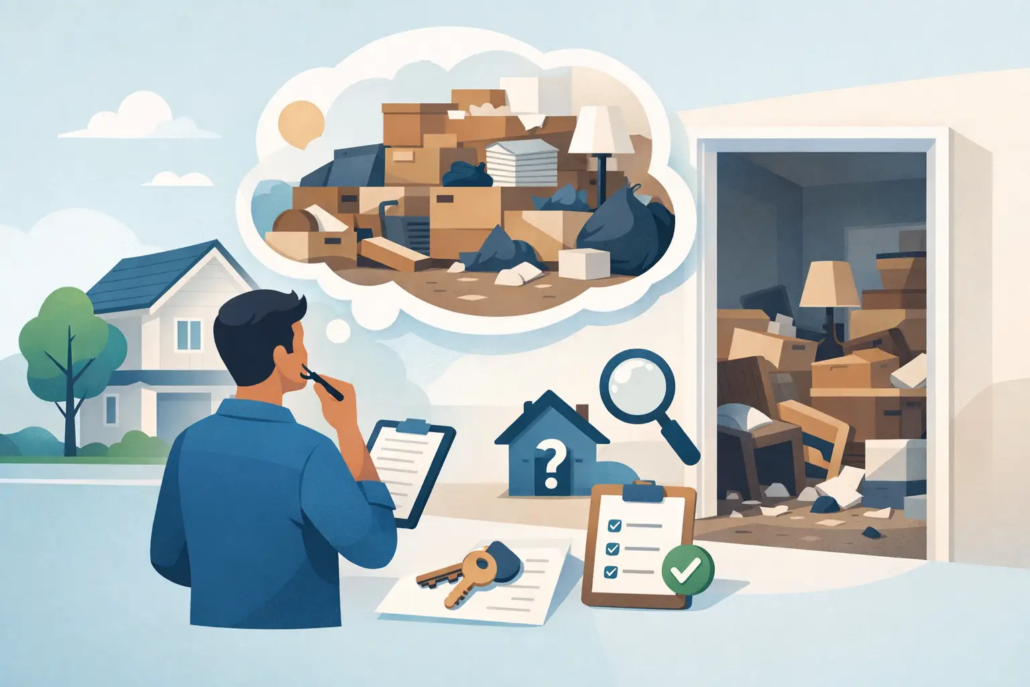
The first time you open the door, the scope of the situation can feel impossible to process. When you have inherited a hoarded home, you are likely dealing with grief, estate responsibilities, family expectations, and a property that may not be safe to enter or manage alone. You do not need to make every decision that day. Start by protecting people, preserving what matters, and getting a clear picture of the home’s condition.
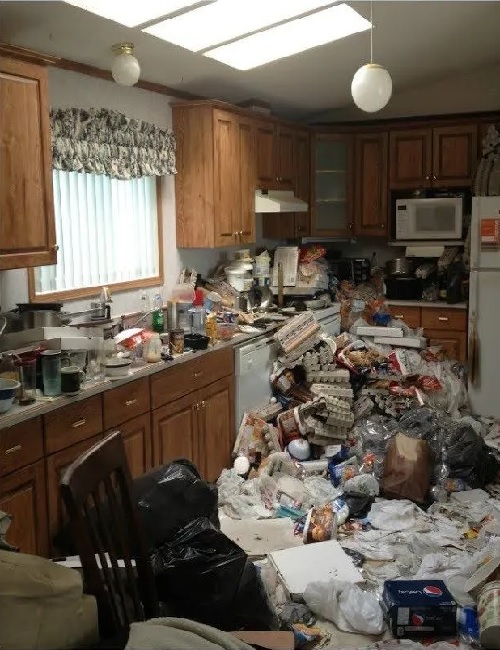
Hoarded properties are not simply very messy homes. Heavy contents can conceal structural damage, mold, pests, animal waste, sharp objects, spoiled food, medication, documents, and other hazards. The right first steps can prevent injuries, protect estate assets, and make the eventual cleanup, sale, repair, or occupancy process far more manageable.
If You Inherited a Hoarded Home, Start With Safety
Avoid walking through the house without basic precautions, especially if rooms are blocked, flooring is unstable, there is a strong odor, or you see signs of water damage or pest activity. Do not climb over piles, reach into containers you cannot see into, or attempt to move large stacks of belongings. A fall, a needle stick, or exposure to mold and contaminated materials can turn an already difficult situation into a medical emergency.
If you must enter briefly, wear closed-toe shoes, durable gloves, and a properly fitted mask. Keep children, pets, and anyone with respiratory concerns outside until the property has been assessed. If utilities appear damaged, leave them alone. Signs such as standing water, damaged electrical panels, gas odors, sagging ceilings, or extensive animal waste call for professional help before anyone begins sorting.
Take photos and short videos from the entryway and any safely accessible areas. This creates an initial record for estate purposes, insurance questions, or contractor estimates. Document conditions without disturbing the scene. If there is any possibility of a crime, unattended death, or biohazard exposure, stop and contact the appropriate authorities and trained remediation professionals.
Secure the Property Before Sorting It
An inherited property can become vulnerable quickly, particularly when neighbors, distant relatives, real estate contacts, or curious visitors learn that the owner has passed away. Change or rekey exterior locks, secure windows, and make sure the property is insured. If the home will be vacant, ask the insurer about vacancy requirements, since some policies have specific conditions for unoccupied homes.
Next, locate the basics: deeds, estate planning documents, vehicle titles, insurance paperwork, bank statements, tax records, and any mail indicating recurring bills. Do not assume important papers will be neatly filed. In hoarded homes, they are often mixed into ordinary household items, bags, drawers, books, and unopened mail.
Before removing anything, confirm who has legal authority to act for the estate. An executor, administrator, or trustee may need to approve disposal, sales, repairs, and access to certain records. Family members may be eager to help, but good intentions can create conflict when possessions are removed before everyone understands the plan.
Do Not Treat Every Item as Trash
The amount of material in a hoarded property can make fast disposal tempting. Yet rushed cleanouts can lead to the loss of cash, jewelry, heirlooms, legal documents, photographs, firearms, collectibles, or items that a family member had specifically requested. The goal is not to save everything. It is to create a process that identifies likely valuables without forcing you to inspect every object personally.
Set aside a secure area for items that may have financial, legal, or sentimental value. This might include unopened envelopes, safes, lockboxes, photo albums, military records, family Bibles, artwork, coins, and small electronics. If the volume is significant, establish categories before the work begins: retain, distribute to heirs, donate, sell, shred, recycle, and dispose.
It also helps to decide how much time the estate can reasonably spend on sorting. A family with a flexible timeline may want more detailed review. A property with active water damage, major pest infestation, or a pending sale may require faster decisions. There is no single correct pace, but delaying cleanup indefinitely can increase repair costs and make the home harder to insure or sell.
Get a Professional Assessment Before a Full Cleanout
A walkthrough by a qualified cleanup and restoration company can identify problems that are not visible beneath the contents. The house may need more than hauling and surface cleaning. Once clutter is removed, crews may find damaged drywall, contaminated flooring, mold growth, pest damage, plumbing leaks, fire damage, or odor that has penetrated structural materials.
A thorough assessment should consider the contents, sanitation conditions, access paths, disposal needs, and the home’s underlying restoration needs. Ask whether the provider can handle the project from the initial inspection through cleanup, remediation, repairs, and reconstruction. Coordinating a separate junk hauler, cleaning crew, mold company, flooring contractor, and painter can add delays and confusion during an estate process.
For homes with biohazards, animal waste, decomposition odors, mold, or severe contamination, standard cleaning is not enough. These conditions need trained handling, appropriate personal protective equipment, containment where necessary, and disposal practices designed to protect occupants and workers. Removing the visible material without addressing contamination in floors, walls, HVAC systems, or subfloors can leave the property unsafe and the odor unresolved.
Build a Cleanup Plan Around the Property’s Next Use
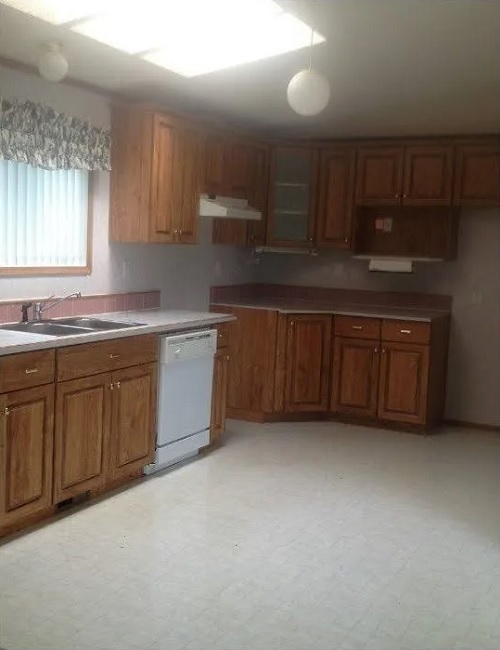
The cleanup approach should match what happens after the home is cleared. A property being sold as-is may need safe access, removal of contaminated contents, odor treatment, and limited repairs. A home that a family member plans to occupy may need a deeper restoration plan, including mold remediation, flooring replacement, painting, HVAC cleaning, plumbing repairs, and reconstruction.
Ask for a written scope that explains what will be removed, what will be retained for review, how hazardous materials will be addressed, and which repairs are included or excluded. Clear documentation matters when several heirs are involved. It also makes it easier to compare estimates based on the actual work required rather than a vague promise to “clean it out.”
A phased plan can be useful when the estate needs time to make decisions. First, secure the home and remove immediate hazards. Then sort identified valuables, clear contents, clean and remediate affected areas, and complete repairs once the property is exposed. This approach keeps urgent work moving without forcing every decision at once.
Be Careful With DIY Cleanup
Family-led cleanup may work in a lightly cluttered house with no contamination, stable flooring, clear access, and enough people who can safely handle the work. Even then, the physical and emotional demands are often underestimated. Hauling heavy bags, furniture, and boxes out of a packed house takes more time and labor than most people expect.
DIY work becomes a poor trade-off when piles reach the ceiling, rooms are inaccessible, pests are active, there is extensive odor, or damage is concealed beneath belongings. Rental dumpsters, labor, protective equipment, disposal fees, and repeat trips can add up quickly. More concerning, untrained helpers can get hurt or inadvertently spread contaminants through the property.
Professional cleanup also creates distance from an emotionally charged task. You can still decide what to keep and remain involved in the process without personally handling every item tied to a loved one’s life. That separation is often a practical form of support, not a failure of responsibility.
Choose One Accountable Team When Conditions Are Complex
The best cleanup partner will treat the home and the family with respect. Look for a company that can explain the process plainly, provide a detailed estimate, protect retained belongings, and respond quickly when the property has urgent hazards. If repairs are needed after the cleanout, choosing a provider that can manage restoration and reconstruction helps prevent the project from stalling between vendors.
For Texas families and estate representatives, Renew Cleaning & Restoration can coordinate hoarding cleanup, sanitation, odor removal, remediation, repairs, and reconstruction through one accountable team. That matters when the property cannot simply be emptied and forgotten. It needs to be made safe, functional, and ready for its next chapter.
You do not have to solve an inherited hoarded home in one weekend or carry the burden alone. Make the first safe decision, protect the estate, and let a clear plan replace the chaos one step at a time.