Important Questions to Ask My Hoarding Cleanup Company
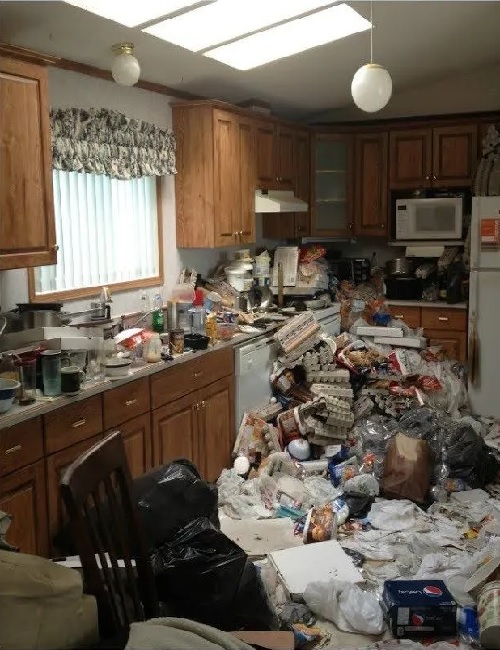
A hoarding cleanup is rarely just a matter of hauling away belongings. A home may contain blocked exits, damaged floors, animal waste, mold, insects, spoiled food, sharp objects, or biohazard concerns. There may also be a family member in distress, a pending property sale, an insurance issue, or a tight deadline before someone can safely return home. Knowing the important questions to ask my hoarding cleanup company helps you choose a team that can handle the property and the people involved with care.
The right company should make the next step feel clearer, not more overwhelming. Ask direct questions before work begins, get the scope in writing, and look for a provider that can take responsibility for the complete project.
Important Questions to Ask a Hoarding Cleanup Company
Do you have experience with conditions like this one?
Hoarding situations vary widely. One property may need sorting, bagging, removal, and deep cleaning. Another may require odor control, pest treatment coordination, mold remediation, biohazard cleanup, damaged-material removal, and repairs before it is habitable again.
Ask the company what kinds of hoarding projects it handles and whether its technicians are trained for sanitation hazards. A capable team should be able to discuss the work calmly and specifically without asking you to label every condition yourself. They should inspect the property, identify visible risks, and explain what may require additional assessment once clutter is removed.
Experience matters because hidden conditions are common. A room that appears to need basic cleaning can reveal moisture damage, animal contamination, or structural concerns after access is restored. You need a company prepared to respond to what the property actually needs, not one that only offers pickup and disposal.
Will you start with an on-site inspection and written scope of work?
A reliable estimate begins with seeing the property. Phone estimates can be useful as a rough starting point, but a company should avoid promising a final price without understanding the volume of contents, access challenges, sanitation issues, and repair needs.
Ask what the inspection includes and what will be documented. The written scope should explain the planned work, including sorting instructions, removal, cleaning, disinfection, odor treatment, and any restoration services being considered. If there are areas the family wants preserved or left untouched, those instructions should be noted before the crew begins.
It is also reasonable to ask how the company handles discoveries that change the scope. For example, if technicians uncover mold behind stacked items or floor damage beneath a soiled area, will they stop, document it, explain the options, and obtain approval before adding work? Clear communication protects everyone from unpleasant surprises.
How do you protect items that may be valuable or personal?
Hoarding cleanup requires more thought than filling dumpsters. Important documents, family photographs, financial records, heirlooms, jewelry, legal paperwork, and sentimental items can be mixed into everyday clutter. The people involved may also have different views about what should be retained, donated, recycled, or discarded.
Ask how the crew separates identified keep items from disposal materials and how those items will be stored or returned to you. If you need help locating specific categories, such as wills, passports, firearms, collectibles, or photographs, say so during the inspection. The company should be willing to create a practical plan based on your priorities.
There is a trade-off here. A fast cleanout can be appropriate when a property poses an immediate health or safety risk, but detailed sorting takes more time. A good provider will help you balance urgency with the level of review the situation requires.
What safety measures do you use for sanitation and biohazard risks?
Ask how technicians protect themselves, occupants, neighbors, and the property during the project. Depending on the conditions, that may include protective equipment, controlled work areas, proper waste handling, HEPA filtration, disinfection, and procedures for contaminated materials.
This question is especially important if there is animal waste, rodent activity, insects, spoiled food, standing water, needles, bodily fluids, decomposition, or strong odors. These conditions should not be treated as a standard maid-service job. They can create exposure risks and may require specialized cleaning methods, removal of porous materials, and verification that affected areas have been properly addressed.
A professional team will not use scare tactics, but it will be honest about what it sees. Ask which concerns can be handled immediately, whether outside testing or specialty services may be needed, and how the work area will be secured while cleanup is underway.
Are you licensed, insured, and equipped to manage disposal properly?
Cleanup companies should carry appropriate insurance and use lawful disposal methods. Ask for confirmation of coverage and ask where removed materials will go. General household contents, electronics, chemicals, sharps, spoiled food, construction debris, and regulated waste may all require different handling.
You do not need to become a waste-disposal expert. You do need confidence that the company will not leave you with a driveway full of bags, an overloaded dumpster, or improperly handled hazardous materials. Proper disposal is part of completing the job, not an extra detail to figure out afterward.
Can you handle cleaning, restoration, and repairs after removal?
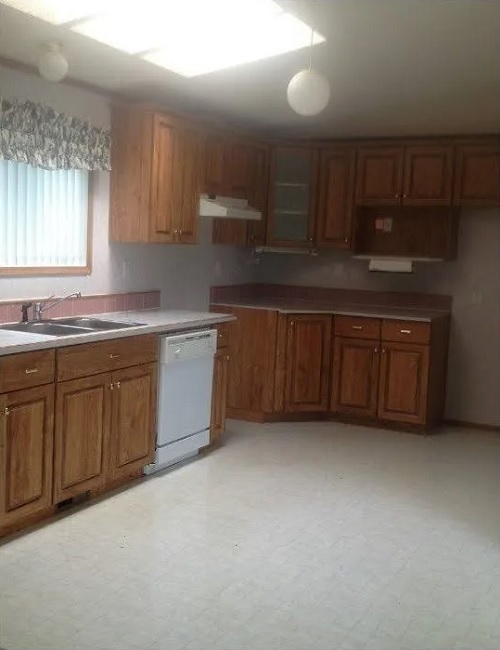
This is one of the most useful questions to ask because a cleared-out home is not always a restored home. Once clutter is gone, there may be stained subfloors, damaged drywall, mold, plumbing leaks, broken fixtures, pest-related damage, or odors that have settled into carpets and porous materials.
Some companies can remove contents but require you to find separate vendors for cleaning, remediation, repairs, and reconstruction. That arrangement can work for a simple project, but it often creates delays and confusion when the property has multiple needs.
Ask whether the same provider can manage inspection, cleanup, removal, deep cleaning, odor control, remediation, repair, and reconstruction. A single accountable team can make a difficult project easier to coordinate, especially for landlords, estate representatives, and families managing a property from another city. Renew Cleaning & Restoration can handle projects from initial assessment through cleanup and property restoration, so clients are not left coordinating the next phase alone.
What does the estimate include, and what could change the price?
Price matters, but the lowest estimate is not always the lowest total cost. A quote that only covers labor and hauling may not include disposal fees, sanitation, odor treatment, damaged-material removal, or cleaning after the property is emptied.
Ask for an itemized explanation of what is included. You should understand whether pricing is based on labor hours, truckloads, room count, volume, weight, dumpsters, specialty waste, or a defined project scope. Ask about possible added charges and the approval process for any work outside the original estimate.
A company should be willing to explain its pricing in plain language. If an estimate feels vague, ask for clarification before authorizing work. You deserve to know what you are paying for and what result to expect when the crew leaves.
How will you protect privacy and treat the people involved?
Hoarding situations can bring embarrassment, grief, conflict, and genuine fear about judgment. The cleanup company should understand that discretion is part of professional service. Ask whether unmarked vehicles are available when appropriate, how the team protects private documents and photos, and who will be allowed on the property.
Also pay attention to how the representative speaks during the inspection. Are they respectful? Do they explain the work without shaming the person who lives there? Do they recognize that family members may need a few decisions clarified before removal begins? Compassion does not slow down a professional cleanup. It creates the trust needed to move forward safely.
What is your timeline, and can you respond quickly if the home is unsafe?
Ask when the company can inspect the property, how soon the crew can begin, and how long the work is likely to take. Timelines depend on the home’s size, the amount of contents, access, the degree of contamination, and whether restoration work is needed afterward.
If a property has blocked exits, active water damage, strong odors, pests, unsafe sanitation conditions, or an upcoming deadline, tell the company immediately. Those facts affect staffing and project planning. For urgent Texas situations, a provider with 24/7 response can help stabilize the property and start the process sooner.
The best cleanup company will not promise a one-day solution when the job requires careful sorting, remediation, or repairs. It will give you a realistic plan, keep you informed, and take ownership of the work from the first walkthrough to a safer, cleaner property.
When you make these calls, you are not just comparing cleanup prices. You are choosing who will enter a difficult space, make decisions around personal property, and help turn an unsafe home into one that can be cleaned, restored, sold, rented, or lived in again. Ask the hard questions, trust clear answers, and choose a team that is ready to handle the full situation with respect.