Hoarding 101: Safe Cleanup Steps for Homes
A home can become unsafe long before it looks like an emergency from the curb. Hallways narrow, exits disappear, moisture gets trapped beneath piles, and everyday tasks such as cooking, bathing, or reaching a breaker panel become difficult. Hoarding 101 starts with one essential fact: this is not simply a housekeeping problem, and a rushed cleanout can make an already stressful situation worse.
For a homeowner, family member, landlord, or estate representative, the goal is not to judge the person or force a perfect result in one day. The immediate goal is to protect people, stabilize the property, and create a realistic path forward.
What Hoarding Is and What It Is Not
Hoarding involves persistent difficulty parting with possessions, even items that others may see as broken, expired, unsanitary, or without value. The result can be an accumulation that limits the safe use of rooms, damages the structure, and affects health. A person may understand that the conditions are unsafe and still feel intense distress about discarding items.
A cluttered home is not automatically a hoarding situation. Busy families, recent moves, caregiving responsibilities, grief, and limited storage can all create temporary clutter. The difference is functional impact. When rooms can no longer serve their intended purpose, pathways are blocked, sanitation has declined, or occupants are at risk, the situation needs more than ordinary organizing.
It also helps to separate the property condition from the person. Shame often keeps people from asking for help until a small problem becomes a major cleanup. Respectful language and a calm plan make it more likely that someone will accept support.
Hoarding 101: Recognizing Safety Risks
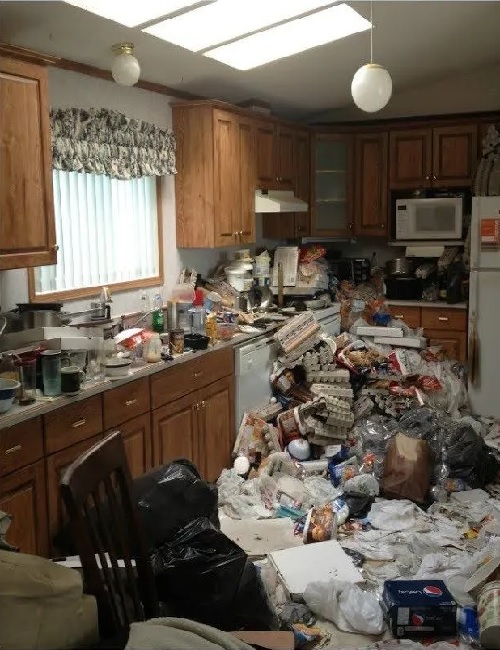
The visible volume of belongings is only one concern. Some homes with moderate-looking accumulation have hidden water damage, pest activity, mold growth, spoiled food, animal waste, or damaged electrical systems. Other properties may have heavy accumulation but fewer contamination concerns. A proper assessment looks beyond appearances.
Fire safety is often the most urgent issue. Paper, fabric, cardboard, and combustible debris can fuel a fire, while blocked doors and hallways slow escape. Piles near stoves, heaters, electrical outlets, or furnace closets raise the risk further. Emergency responders may also have trouble entering the home.
Sanitation risks increase when kitchens, bathrooms, plumbing fixtures, or trash disposal are inaccessible. Food waste can attract insects and rodents. Leaks hidden beneath belongings can damage flooring and drywall for months. In severe cases, bodily fluids, decomposition, needles, animal remains, or airborne contaminants require specialized handling rather than a standard cleaning crew.
Structural damage can be another concern. Large volumes of possessions may strain weakened flooring, conceal soft spots, or prevent access to attic spaces, crawlspaces, and utility equipment. In rentals and estates, delayed action can turn a manageable cleanup into extensive remediation and reconstruction.
Start With Stabilization, Not a Giant Dumpster
A common instinct is to rent a dumpster, gather relatives, and remove everything as quickly as possible. That approach can work for an uncomplicated vacant property, but it can backfire when the resident is still living there, hazardous materials are present, or important documents and valuables may be mixed into the contents.
Start by identifying immediate hazards. Can people enter and exit safely? Is there power, running water, or a working toilet? Are there active leaks, pests, strong odors, visible mold, exposed wiring, or signs of human or animal waste? If there is a fire, electrical, gas, sewage, or biohazard concern, do not attempt to sort through it without the appropriate professionals.
Next, protect the areas that must remain functional. A clear route from the entrance to an exit, bathroom, sleeping area, and kitchen can make a meaningful difference. If the resident is willing, focus first on creating safe access rather than debating every object in the house.
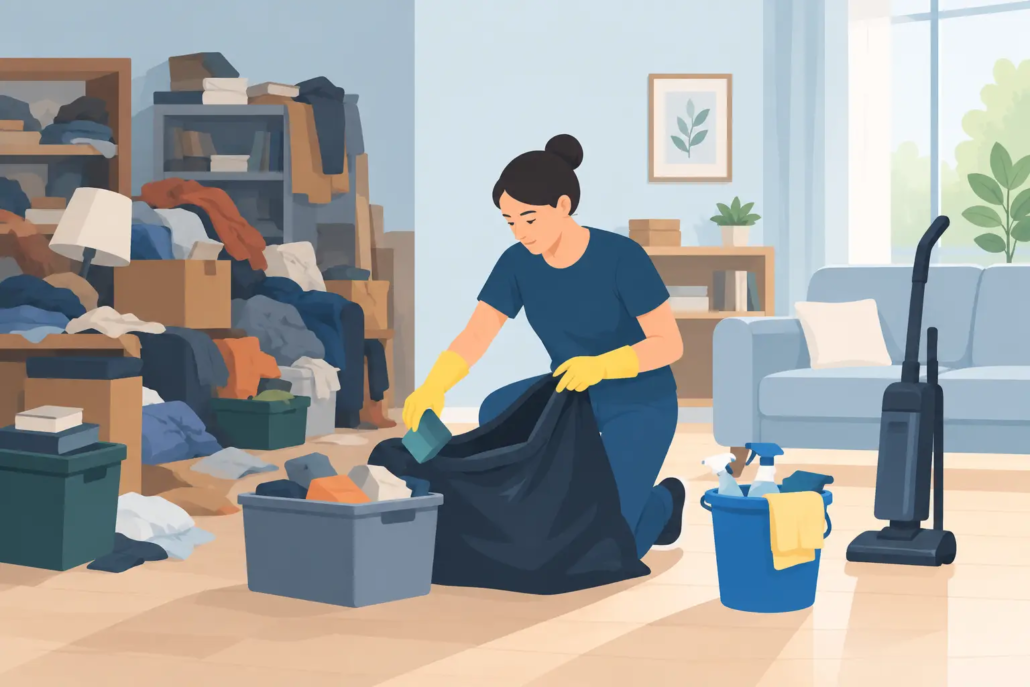
When items must be sorted, use clear categories: keep, donate, recycle, dispose, and review. The review category is valuable because it prevents arguments and allows important paperwork, heirlooms, photographs, medications, or financial records to be set aside for a later decision. It should be tightly controlled, though. If every item becomes “review,” progress stops.
When Professional Cleanup Is the Safer Choice
A professional team is not necessary for every crowded garage or overloaded closet. It becomes the safer choice when contamination, property damage, heavy debris, or emotional barriers make a family-led cleanup impractical. Professional support also gives landlords, estate representatives, and property managers documented scope, controlled disposal, and one accountable point of contact.
Bring in trained help when the project includes four or more of these conditions:
- Blocked exits, stairs, hallways, or access to utilities
- Strong odors, spoiled food, animal waste, insects, rodents, or pest droppings
- Water damage, mold, sewage, fire residue, or damaged flooring and walls
- Sharps, medications, chemicals, biohazards, or unknown substances
- A need to locate documents, valuables, or estate items before disposal
- A property that must be cleaned, repaired, and prepared for occupancy or sale
The right provider should explain what they see, separate cleaning needs from repair needs, and avoid vague promises. Ask how belongings are handled, how hazardous materials are managed, whether the team can coordinate disposal, and what happens if water damage, mold, or structural problems are uncovered.
A Respectful Cleanup Process Protects Everyone
For an occupied home, consent and communication matter. Whenever possible, establish expectations before work begins: which rooms are in scope, what must be saved, who can make decisions, and how progress will be reviewed. Family members may have good intentions but disagree sharply about what should stay or go. A written plan can reduce conflict.
Privacy matters too. Hoarding conditions can feel deeply personal, especially in close-knit neighborhoods, rental communities, or workplaces. Discreet crews, clear scheduling, and careful handling of personal effects are not extras. They are part of treating the client with dignity.
A thorough project often happens in phases. First comes inspection and safety planning. Then the team removes debris and contents, separates recoverable items where agreed, and addresses contamination. Once surfaces are accessible, the true condition of the property becomes clear. Cleaning may be followed by odor treatment, pest-related sanitation, mold remediation, water-damage work, repairs, or full reconstruction.
That sequence matters. Painting over odor, replacing a floor before moisture is corrected, or deodorizing before contaminated materials are removed usually leads to repeat work. The best outcome is a safe, usable property, not a quick visual improvement that leaves the underlying issue in place.
Special Considerations for Rentals and Estates
Landlords should document conditions carefully and follow applicable notice, access, and tenancy requirements before removing belongings. A cleanup company can address sanitation and restoration, but it should not be asked to make legal decisions about abandoned property. When in doubt, get legal guidance before disposal.
Estate representatives face a different challenge. A house may contain financial records, family photos, jewelry, military documents, wills, or valuables hidden among ordinary belongings. The project plan should include a method for identifying and securing items of potential importance. Rushing an estate cleanout can create avoidable loss and conflict among heirs.
For properties headed to market, cleanup may reveal repair needs that were impossible to see before. That is where an end-to-end approach saves time. Rather than coordinating separate removal, cleaning, remediation, repair, and reconstruction vendors, a single provider can manage the work in the right order.
Getting the Home Back to a Usable Condition
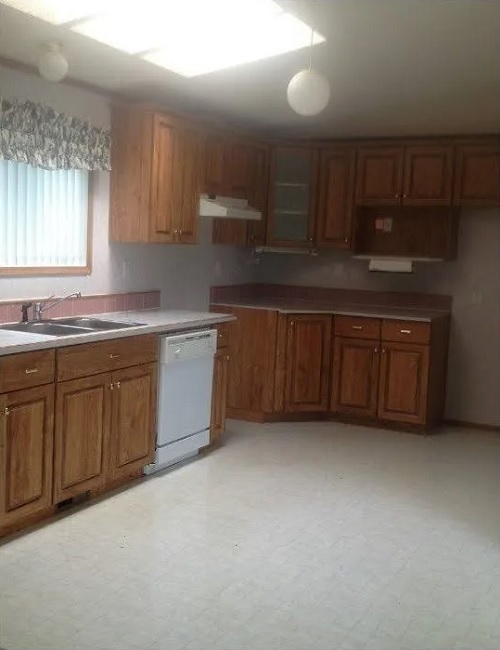
After the removal and deep cleaning are complete, think beyond the immediate project. A home stays safer when there is a practical maintenance plan, enough storage for daily life, and support for the person affected if they are open to it. For some households, that means regular cleaning visits. For others, it means family check-ins, counseling support, or help managing paperwork and purchases.
Renew Cleaning & Restoration handles complex hoarding cleanup across Texas with a compassionate, safety-first approach. When conditions involve odors, contamination, water damage, mold, repairs, or reconstruction, one coordinated team can take ownership from inspection through final restoration.
The first call does not have to solve every decision. It only needs to create a safe next step: clear the immediate hazards, protect what matters, and make the home livable again.