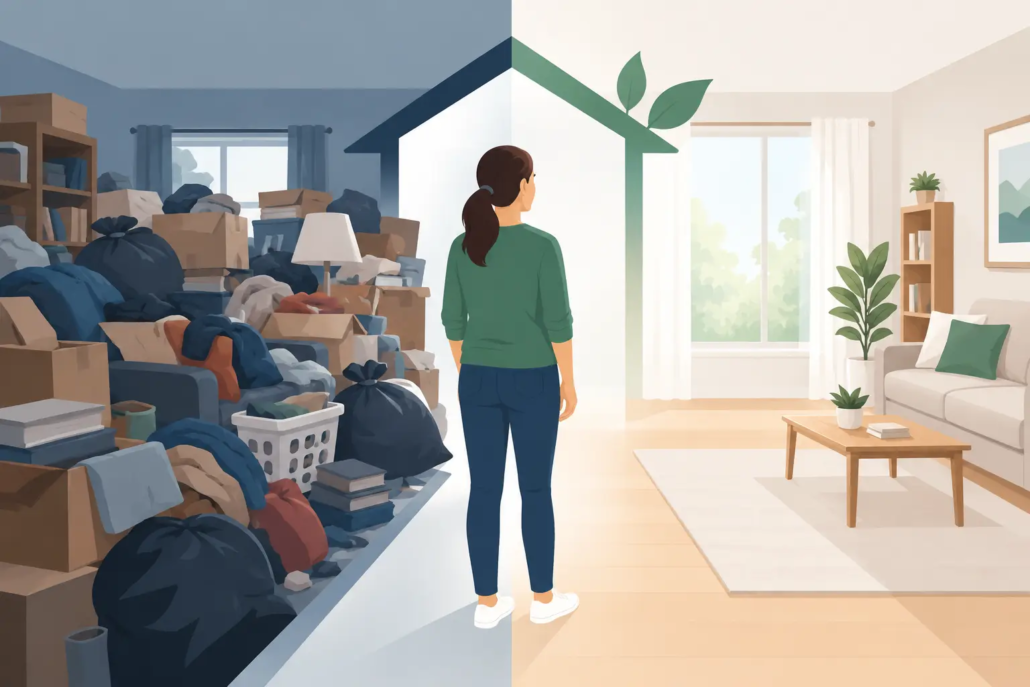
Property Recovery After Hoarding Starts Here
A home can look cleared out and still be far from ready to use. Property recovery after hoarding is not simply hauling away belongings. It is a careful process of making the space safe, addressing hidden damage, removing odors and contamination, and restoring the parts of the property that have been neglected or damaged over time.
For a homeowner, family member, landlord, estate representative, or property manager, the situation can feel overwhelming before work even begins. The right response is not judgment or pressure. It is a clear plan, trained crews, and one accountable team that can take the property from difficult conditions to a clean, safe, functional space.
Why hoarding cleanup is only the first step
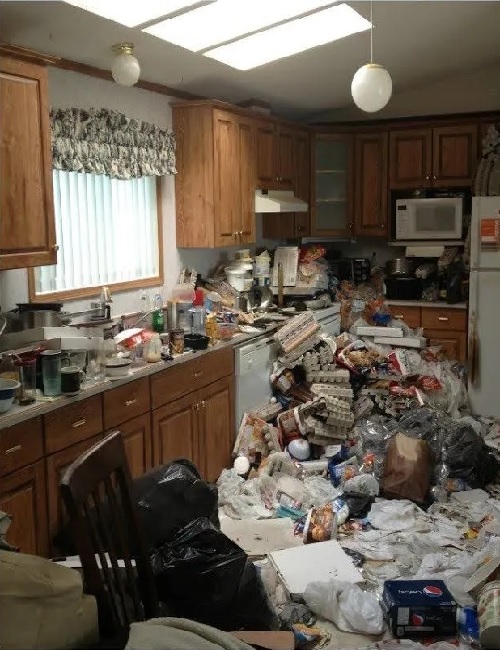
Hoarding conditions vary widely. Some homes contain accumulated household items but have limited sanitation concerns. Others involve blocked access, pest activity, animal waste, spoiled food, mold growth, moisture damage, damaged flooring, or rooms that have not been usable for years. The level of recovery depends on what is found once contents are removed.
That is why removal alone can create a false finish line. Piles of belongings may hide leaking plumbing, roof damage, stained subfloors, damaged drywall, or long-standing odors absorbed by carpet, insulation, cabinets, and furniture. In severe situations, the work may also involve biohazard cleaning, infection control, mold remediation, or water damage restoration.
A proper assessment identifies what the property needs before anyone promises a timeline or scope. It also helps separate items that may have personal, legal, financial, or sentimental value from materials that are unsafe or cannot be salvaged. This distinction matters. Fast work is valuable, but careless work can cause avoidable loss and distress.
A respectful approach protects people and property
Hoarding is often connected to grief, illness, trauma, aging, isolation, or a long period of reduced ability to manage a home. The people involved may be embarrassed, exhausted, or worried about being judged. Families may disagree about what should be kept. Landlords and property managers may face urgent occupancy, lease, or safety deadlines.
Professional crews should bring order to the project without treating people like a problem to be solved. That means establishing access rules, discussing priorities, identifying documents or valuables to watch for, and protecting privacy throughout the job. Photos, records, mail, heirlooms, financial papers, medications, and legal documents may need to be set aside for review rather than discarded in haste.
There are limits to what can be saved. Items affected by mold, sewage, animal waste, pests, or decomposition may pose health risks and may not be appropriate to retain. A compassionate team explains those concerns plainly and helps clients make informed decisions without unnecessary pressure.
The property recovery after hoarding process
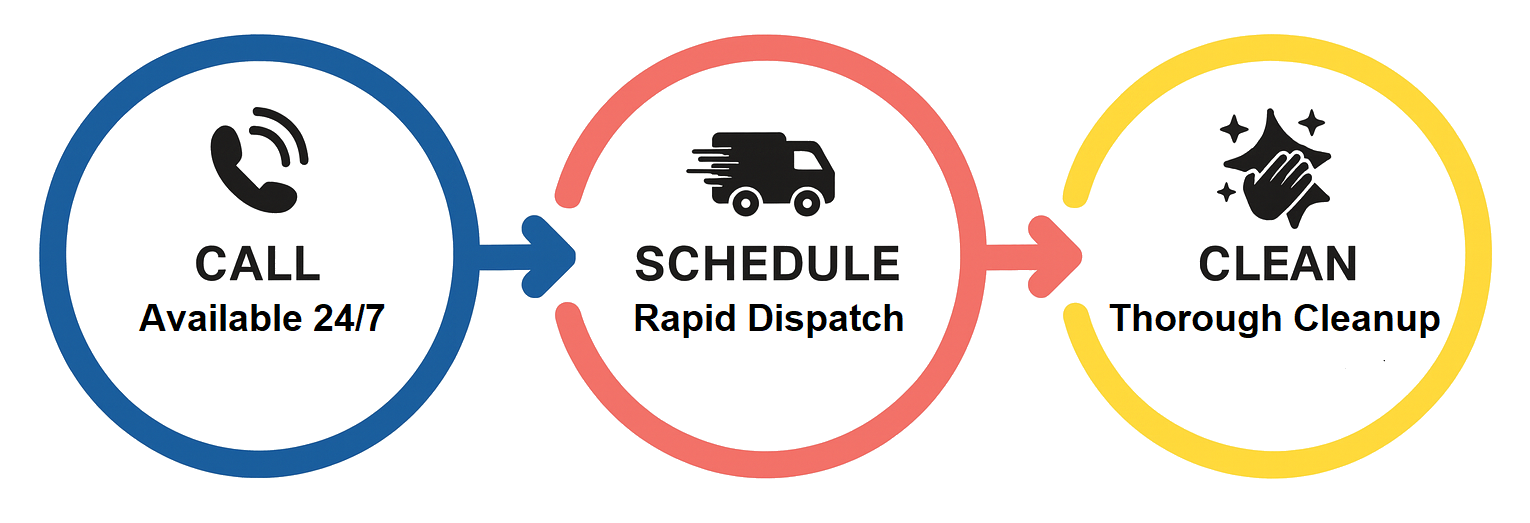
Every project has its own conditions, but a complete recovery usually follows a practical sequence. Skipping steps can leave hidden hazards behind or force costly rework later.
Inspection and project planning
The first visit focuses on safety, access, and the actual condition of the building. Crews assess the extent of contents, potential biohazards, odors, moisture, mold, pest evidence, structural damage, and areas that require restricted entry. They also identify immediate risks such as blocked exits, unstable stacks, damaged electrical systems, standing water, or compromised flooring.
For rental homes, estates, and commercial properties, this stage can help document conditions for owners, managers, insurers, or other stakeholders. A detailed scope also makes pricing more transparent. The lowest initial estimate is not always the lowest final cost if it excludes remediation, repairs, or disposal requirements that the property clearly needs.
Sorting, removal, and responsible disposal
Once priorities are clear, crews create safe pathways and begin sorting and removing contents. This is physically demanding work that may require protective equipment, specialized containers, lifting tools, and controlled disposal methods. Material may be removed room by room to reduce confusion and prevent overlooked items.
Donations or recycling may be possible for clean, usable items, depending on their condition and local acceptance requirements. However, sanitation and safety have to come first. Furniture, mattresses, porous materials, and household goods exposed to contamination often cannot be donated or reused safely.
Deep cleaning and sanitation
After contents are removed, the real condition of surfaces becomes visible. Floors, walls, fixtures, appliances, cabinets, and bathrooms may require intensive cleaning and sanitation. In properties with biological contamination, ordinary cleaning methods are not enough. Affected areas need the appropriate removal, disinfection, and disposal procedures to reduce exposure risks.
Odor treatment should also target the source, not cover it with fragrance. Smoke-like stale odors, urine odors, pet odors, spoiled-food odors, and decomposition odors can penetrate porous building materials. Depending on the source and severity, recovery may require removal of carpet and padding, cleaning of subfloors, treatment of framing, air filtration, or replacement of damaged materials.
Remediation of hidden damage
Hoarding can conceal conditions that have been developing for months or years. A slow plumbing leak behind stored items can lead to mold and rotten materials. Closed-off rooms may have poor ventilation and persistent humidity. Heavy contents can damage flooring, create indentations, or expose weak areas in a structure.
When mold, water damage, or other contamination is found, the affected materials may need to be contained and removed before rebuilding begins. This is also the point to address pest-related damage, damaged insulation, broken fixtures, or drywall that cannot be cleaned effectively. The correct solution depends on the extent of damage, the type of materials involved, and whether the area can be restored safely.
Repair and reconstruction
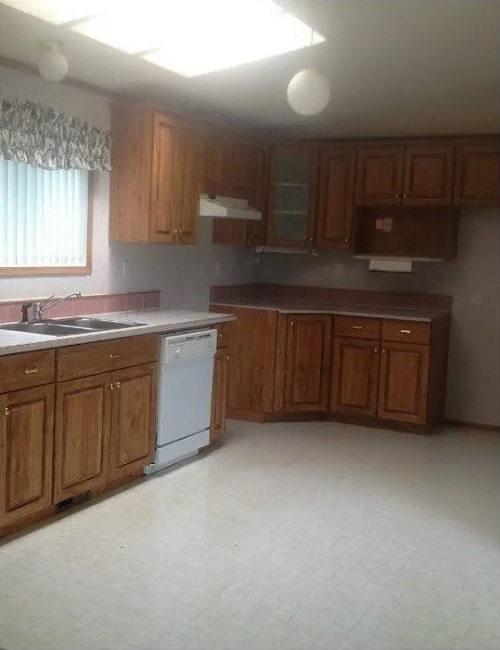
A recovered property should be usable, not merely empty. Repair work may include replacing flooring, drywall, trim, cabinets, doors, appliances, plumbing fixtures, or portions of a bathroom or kitchen. In more serious cases, reconstruction may be needed after contaminated or deteriorated materials are removed.
Using separate companies for cleanup, remediation, repairs, and reconstruction can create delays and confusion about responsibility. An end-to-end provider can coordinate the process from inspection through final cleaning, which is especially helpful when a property must be returned to the market, prepared for a tenant, or made safe for a family member to return home.
When the work is urgent
Some hoarding situations can wait for careful planning. Others require prompt action. Immediate professional help is especially appropriate when there are blocked exits, active water leaks, no working bathroom or kitchen, strong odors, insects or rodents, mold growth, animal waste, spoiled food, or any concern about bodily fluids or decomposition.
Urgency also matters when a home is being sold, an estate needs to be settled, a rental unit must be turned over, or a property has received a code or safety notice. In those situations, the goal is to move quickly without sacrificing documentation, discretion, or safe work practices.
Texas property owners often need more than a cleaning crew when conditions are severe. Renew Cleaning & Restoration can manage inspection, removal, sanitation, remediation, repairs, and reconstruction as one coordinated project, including urgent response when the property cannot safely wait.
What to do before a crew arrives
If conditions are hazardous, do not begin moving unknown materials without protection. Avoid disturbing visible mold, pest nests, sharp objects, animal waste, or damaged electrical areas. Keep children, pets, and unnecessary visitors out of affected rooms.
If possible, identify any items that must be protected before removal begins, such as wills, identification documents, financial records, family photos, jewelry, firearms, medications, or keys. You do not need to sort the entire property before asking for help. A professional assessment is designed to establish a safer, more manageable starting point.
Recovery becomes possible when the project is handled one safe step at a time. The first call does not require you to have every answer. It simply starts the process of making the property livable, marketable, and ready for what comes next.