How to Choose the Best Hoarding Company for Your Property
A hoarding cleanup can begin with one room, an estate property, a tenant move-out, or a call from a family member who does not know where to start. The best hoarding company does more than remove belongings. It brings order to a difficult situation safely, respectfully, and without leaving you to arrange repairs, odor treatment, or sanitation afterward.
The right provider should make the next step feel manageable. That starts with a clear assessment, a realistic plan, and professionals who understand that every property has a story behind it. Whether the home is occupied, vacant, inherited, or being prepared for sale, the goal is to restore safe use of the space while treating everyone involved with dignity.
When Hoarding Cleanup Is More Than Removal
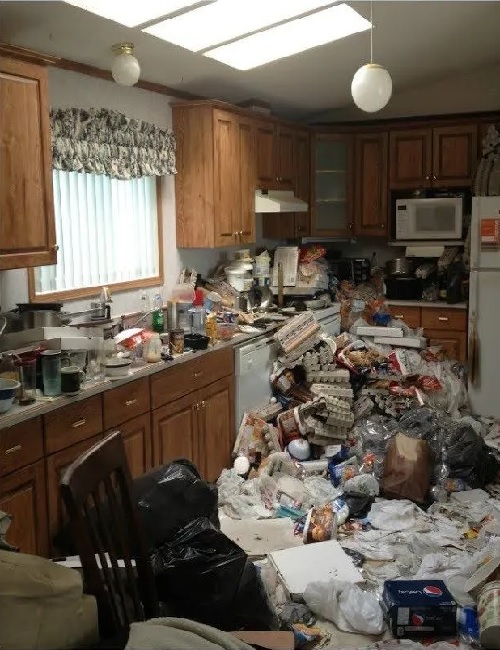
Hoarding conditions can create problems that are not visible from the doorway. Stacked belongings may conceal water damage, mold, pests, animal waste, sharps, spoiled food, structural concerns, or biohazards. In severe cases, blocked exits and overloaded floors can turn a cleanup into an immediate safety issue.
A hauling service may be able to carry out bags and furniture, but that is not always enough. Once contents are removed, the property may still need deep cleaning, disinfection, odor removal, pest coordination, mold remediation, damaged-material removal, repairs, or reconstruction. Choosing a company that can manage the full scope reduces delays and prevents important issues from being passed from one vendor to another.
This does not mean every project requires extensive restoration. Some homes need organized removal and detailed cleaning only. Others need a phased approach, especially when a resident remains in the home or family members need time to identify documents, valuables, and sentimental items. A qualified company should adapt the plan to the condition of the property and the needs of the people involved.
What the Best Hoarding Company Should Provide
The best hoarding company is prepared for the physical, emotional, and logistical parts of the work. Look for a provider that can explain its process in plain language instead of making broad promises before inspecting the site.
A safety-first inspection
A professional crew should begin by evaluating access, fire hazards, sanitation conditions, visible damage, and potential health risks. This assessment helps determine what protective equipment, containment, disposal methods, and cleaning procedures are appropriate.
Ask whether the company can handle hazardous materials if they are discovered. Household clutter is one thing. Needles, animal remains, feces, mold growth, decomposition, chemical containers, and contaminated surfaces require trained handling and specialized cleaning methods. A company should never treat those conditions as ordinary junk removal.
Respectful, discreet communication
Hoarding situations can involve grief, illness, trauma, family conflict, or years of accumulated possessions. The crew should be professional without being cold and compassionate without being intrusive. They should avoid judgmental language and discuss decisions clearly before items are removed.
Discretion matters as well. Ask how the company manages arrival, staging, waste removal, and communication with property managers or neighbors when privacy is a concern. For occupied homes, the team should also establish who has authority to make keep, donate, recycle, or discard decisions.
Full-service cleaning and restoration
A complete provider can take responsibility for the project after the contents are gone. That may include sanitation, deodorization, carpet or flooring removal, mold treatment, drywall repair, painting, plumbing repairs, reconstruction, and final cleaning.
This all-in-one model is especially valuable for landlords, estate representatives, real estate professionals, and families working against a deadline. Rather than coordinating a hauler, cleaner, remediation contractor, and repair crew, you have one accountable team managing the work from inspection through completion.
Clear documentation and scope
A dependable company provides a written scope that explains what is included, what may require additional approval, and how the condition of the property can affect the final work. Photos, itemized estimates, and progress updates are useful when decision-makers are off-site or when insurance, legal, estate, or property-management records are involved.
Be cautious with vague quotes that promise to clean an entire home for one low price without an inspection. Hoarding projects vary widely in volume, contamination, access, labor, and restoration needs. An honest estimate recognizes those variables while still giving you a clear path forward.
Questions to Ask Before You Hire
Before authorizing work, ask how the company handles sorting, valuables, disposal, hazardous conditions, and damage discovered during cleanup. You should also ask whether crews are trained for biohazard and sanitation work, whether the provider carries appropriate insurance, and whether it can complete repairs after cleaning.
It is reasonable to ask about scheduling and communication, too. If a property cannot be safely occupied, a fast response matters. If the cleanup will take several days, you need to know who your point of contact will be and how changes to the scope will be approved.
For estate cleanouts and family situations, ask how the team separates personal records, photographs, jewelry, financial documents, and other potentially valuable items. No company can guarantee that every item will be identified in a heavily cluttered property, but a careful process is far better than rushing everything directly into a disposal container.
Pricing: Compare the Scope, Not Just the Number
The lowest estimate may not be the lowest total cost. A quote that covers removal only can leave you paying separately for cleaning, deodorization, damaged flooring, drywall replacement, mold work, or pest-related repairs. On the other hand, not every property needs a top-to-bottom reconstruction package.
Compare estimates by asking what each one includes. Look at labor, containers, disposal fees, cleaning, disinfection, odor treatment, protective measures, restoration work, and project management. If one estimate is substantially lower, find out what has been excluded rather than assuming the companies are offering the same service.
Insurance coverage can also affect the process. Some conditions may be connected to a covered loss, while others may not be. A company should not promise coverage before the facts are reviewed, but it should be able to provide thorough documentation that supports conversations with an insurer, adjuster, property manager, or estate representative.
Why Local Response Capacity Matters in Texas
Texas properties can face added complications from heat, humidity, storm damage, and pest activity. In a vacant home, an existing water leak or mold issue may have worsened behind stored items. In a commercial space or rental unit, delays can affect occupancy, leasing, inspections, and neighboring tenants.
Choose a company with the capacity to respond when conditions are urgent and to manage the work across the locations you serve. A statewide provider can be especially helpful for property managers, estate representatives, and families who live in a different city than the property.
Renew Cleaning & Restoration provides hoarding cleanup alongside sanitation, odor removal, remediation, repairs, and reconstruction, so clients do not have to piece together separate services when a property needs more than removal. The team can assess the condition, explain the options, and take ownership of the work from the first walkthrough to the final clean.
What a Well-Managed Cleanup Looks Like
A well-run project does not create more chaos. It starts with a plan for access and safety, then moves through sorting, removal, cleaning, and repairs in a logical order. The crew keeps the client informed, documents meaningful changes, and leaves the property in a condition that is safe, clean, and ready for its next use.
For some clients, that next use is returning home. For others, it is preparing a rental for a new tenant, settling an estate, completing a sale, or beginning renovations. The details differ, but the standard should remain the same: practical help, respectful treatment, and one clear team accountable for the result.
If you are facing a hoarding situation, you do not need every answer before making the first call. Start with a professional assessment, explain the concerns you know about, and choose a company that can handle what the property reveals along the way.