I Am a Hoarder and I Need Help. Start Here
The moment you say, “I am a hoarder and I need help,” you have already done something difficult and meaningful: you have recognized that the situation is affecting your life. You do not have to explain everything perfectly before asking for support. You only need a safe next step.
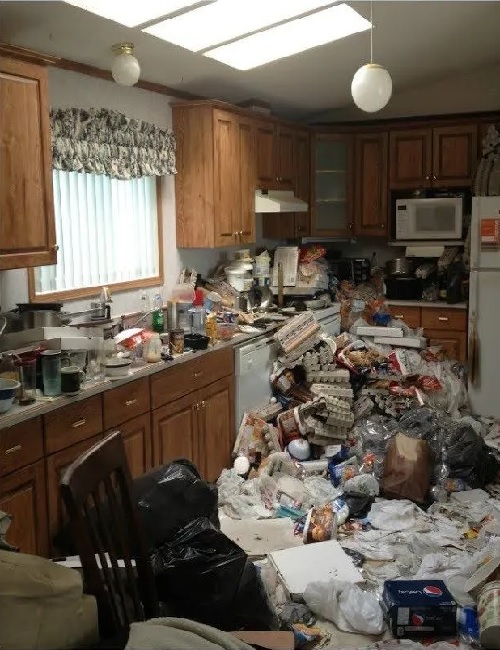
Hoarding conditions can develop slowly, then become overwhelming all at once. A home may feel too crowded to use normally, difficult to clean, unsafe for visitors, or impossible to prepare for a move, repair, sale, or inspection. Shame often makes people wait. But this is a practical problem that can be addressed with patience, discretion, and the right level of help.
If You Are a Hoarder and Need Help, Start With Safety
Do not begin by trying to clear an entire house in one exhausting day. That approach can create injuries, worsen anxiety, and leave you surrounded by half-finished piles. First, look for immediate conditions that require professional attention.
A cleanup team should be involved promptly if there is spoiled food, animal waste, insects or rodents, mold, standing water, human waste, strong unknown odors, blocked exits, or items stacked near stoves, heaters, electrical panels, or doors. These conditions can create fire, fall, air-quality, and sanitation risks that are not solved by ordinary housekeeping.
If you cannot safely walk through the home or leave quickly in an emergency, make access a priority. Clear a path from sleeping areas to the main exit if you can do so without climbing, lifting heavy items, or disturbing hazardous material. If there is an immediate fire, medical, or safety emergency, call 911.
For emotional support during a mental health crisis, call or text 988. Cleanup support and mental health support can work together. One does not replace the other.
Ask for Help Without Trying to Solve Everything First
You do not need to sort every item before contacting a cleanup company, family member, therapist, physician, landlord, or property manager. In fact, pre-sorting can be unsafe when there are biohazards, pests, sharp objects, unstable stacks, or damaged flooring underneath the contents.
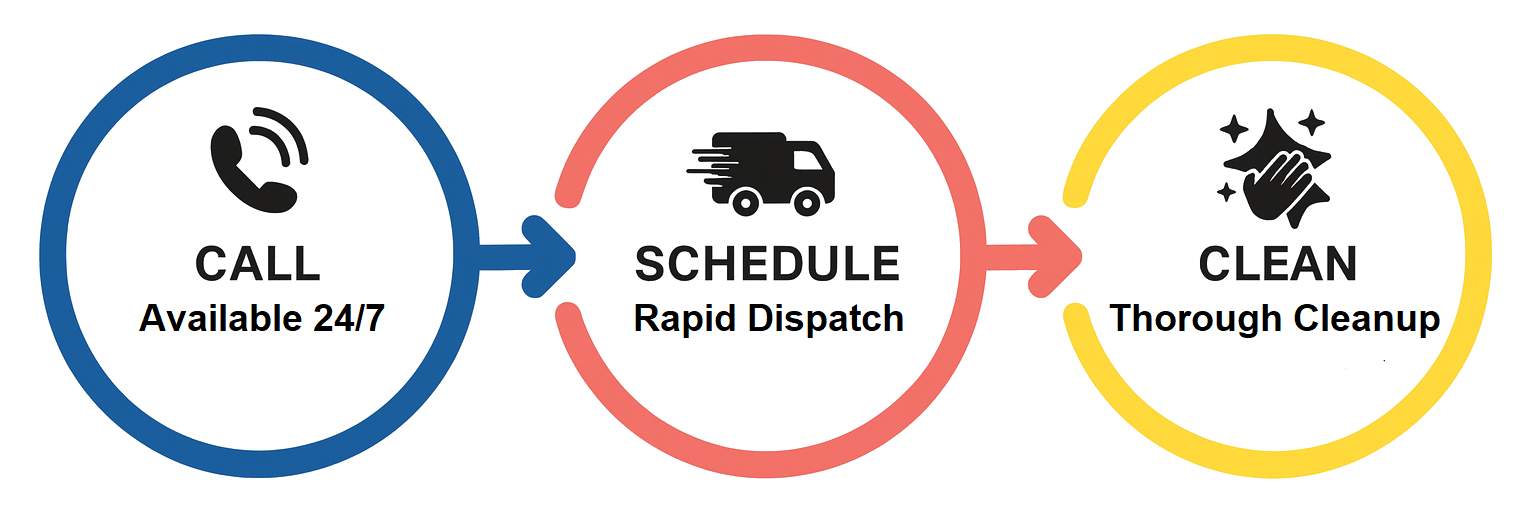
When you make the first call, keep it simple. Explain what areas are affected, whether anyone is currently living in the home, and whether there are odors, pests, water damage, animal waste, or blocked rooms. You can also say that you need privacy and a plan that does not pressure you to make every decision immediately.
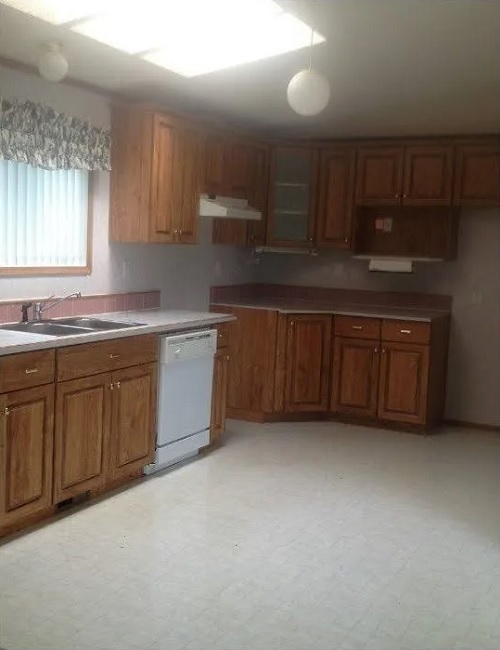
A compassionate professional team should treat the property and the people involved with respect. The goal is not to judge how the condition happened. The goal is to make the space safer, cleaner, and usable again while protecting what matters.
Decide What Kind of Support You Need
The right plan depends on the condition of the property and your capacity to participate. Some people need hands-on help sorting belongings and making decisions. Others need a family member, estate representative, or trusted advocate to make decisions because the property must be cleared quickly for health, legal, lease, or sale reasons.
If there is no urgent hazard, a gradual approach may be more sustainable. You might start with one room, a clear kitchen counter, or a safe route through the home. If the property has serious sanitation or structural concerns, a faster professional cleanup may be necessary before normal organizing can begin.
It also helps to separate three different jobs that are often confused: deciding what to keep, removing what cannot stay, and restoring the home itself. A full-service provider can handle removal, sanitation, odor treatment, remediation, repairs, and reconstruction when needed. That means you do not have to coordinate separate crews while managing an already stressful situation.
What Professional Hoarding Cleanup Can Handle
Hoarding cleanup is not simply hauling items away. Depending on the property, trained crews may need to document contents, remove debris, identify damage, clean affected surfaces, treat odors, address pest-related contamination, and restore rooms that have been hidden or unusable for years.
Professional help is especially valuable when a home needs more than clearing. A thorough project may include:
- Safe removal and disposal of unwanted contents and debris
- Detailed cleaning and sanitation of living areas, kitchens, and bathrooms
- Biohazard, animal waste, mold, or odor remediation when conditions require it
- Water-damage mitigation, repairs, flooring replacement, drywall work, and reconstruction
Not every property needs every service. A trusted team should inspect the situation, explain what is necessary, and provide a clear estimate rather than treating every home as the same type of job.
Protect Important Items Before Removal Begins
Many people worry that asking for cleanup help means losing everything. It should not. Before work begins, identify a small group of items that must be protected, such as identification, financial papers, medications, legal documents, family photos, heirlooms, keys, and sentimental belongings.
If possible, place these items in a labeled container in a safe location. If that is not possible, tell the crew what categories they should watch for during the cleanup. This is particularly important when an adult child, landlord, executor, or other representative is arranging service for someone else.
There are trade-offs. Searching every bag, paper stack, or damaged box takes more time and can increase costs. But when important documents or valuables may be present, that extra care can be worth it. Be honest about your priorities so the cleanup plan matches them.
Bring in Ongoing Support for What Comes Next
A clean home can bring immediate relief, but it does not automatically resolve the stress, grief, trauma, isolation, or compulsive saving behaviors that contributed to the situation. This is where a therapist, physician, social worker, support group, or trusted family member can make a difference.
Try to build a simple maintenance plan before the cleanup is finished. Keep walkways open, set a limit on incoming items, schedule regular trash removal, and arrange recurring cleaning if it would help. The plan does not need to be perfect. It needs to be realistic enough to continue when life gets busy or difficult.
If you are helping a loved one, avoid threats, humiliation, or surprise cleanouts whenever possible. Those tactics can damage trust and make future help harder to accept. Lead with concern for safety, health, and comfort. Ask what they are most afraid of losing, then work from there.
When the Property Needs a Fast, Complete Reset
Sometimes there is no room for a slow process. A house may need to be made safe after a hospitalization, lease violation, code concern, estate transition, failed inspection, water loss, or planned sale. In those cases, it helps to have one accountable company handle the project from inspection through cleanup, remediation, repairs, and final restoration.
Renew Cleaning & Restoration provides discreet hoarding cleanup and property restoration across Texas, including urgent projects that involve sanitation, odors, damage, and reconstruction. A trained team can assess the property, explain the work clearly, and help you move from an unsafe or unmanageable condition toward a usable home.
You do not have to earn help by reaching a breaking point. One phone call, one cleared path, or one honest conversation can be enough to change the direction of the next day.