Why Hire a Professional Hoarding Cleaning Company?
A hoarding cleanup is rarely just a matter of hauling away unwanted items. Rooms can be blocked, flooring can be damaged, plumbing and electrical hazards can be hidden, and the person affected may be overwhelmed by the pace and permanence of the work. That is why hire a professional hoarding cleaning company is a question families, landlords, estate representatives, and property managers ask when a situation has become too large or too sensitive to manage alone.
The right crew brings more than labor. It brings a plan, protective equipment, trained judgment, discretion, and a clear path from an unsafe property to a usable one. For a family facing a difficult conversation, or a property owner needing to prepare a home for sale or occupancy, that single point of accountability matters.
Why Hire a Professional Hoarding Cleaning Company?
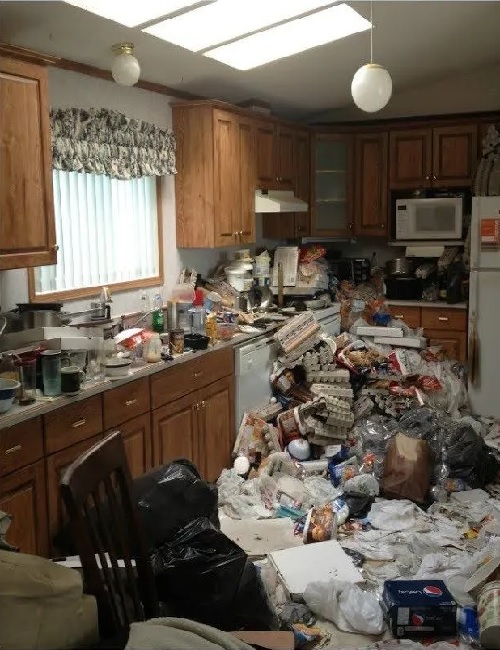
The immediate answer is safety. Severe clutter can conceal mold, pest activity, animal waste, spoiled food, sharp objects, unstable stacks, damaged wiring, and moisture problems. When walkways are narrow or exits are blocked, a routine task can become a fall or fire risk. Moving items without knowing what is underneath can expose people to contamination or damage the property further.
Professional hoarding cleaning teams assess the space before starting major removal. They identify access points, potential hazards, structural concerns, and areas that may require specialized remediation. This helps determine whether the project needs simple cleaning, biohazard handling, odor removal, mold remediation, pest-related sanitation, or repairs after the contents are removed.
Just as important, professionals know that speed should not mean carelessness. A home may contain essential documents, medications, family photographs, jewelry, military records, or items with financial and personal value. An organized sorting process helps separate items to keep, donate, recycle, dispose of, or review with the client. The scope and pace should fit the condition of the property and the needs of the people involved.
It reduces health and injury risks
Hoarding conditions vary widely. Some homes have excessive belongings but no contamination. Others have accumulated trash, decaying materials, rodent droppings, feces, urine, insects, or water damage. These conditions can affect indoor air quality and create risks that are not obvious from the doorway.
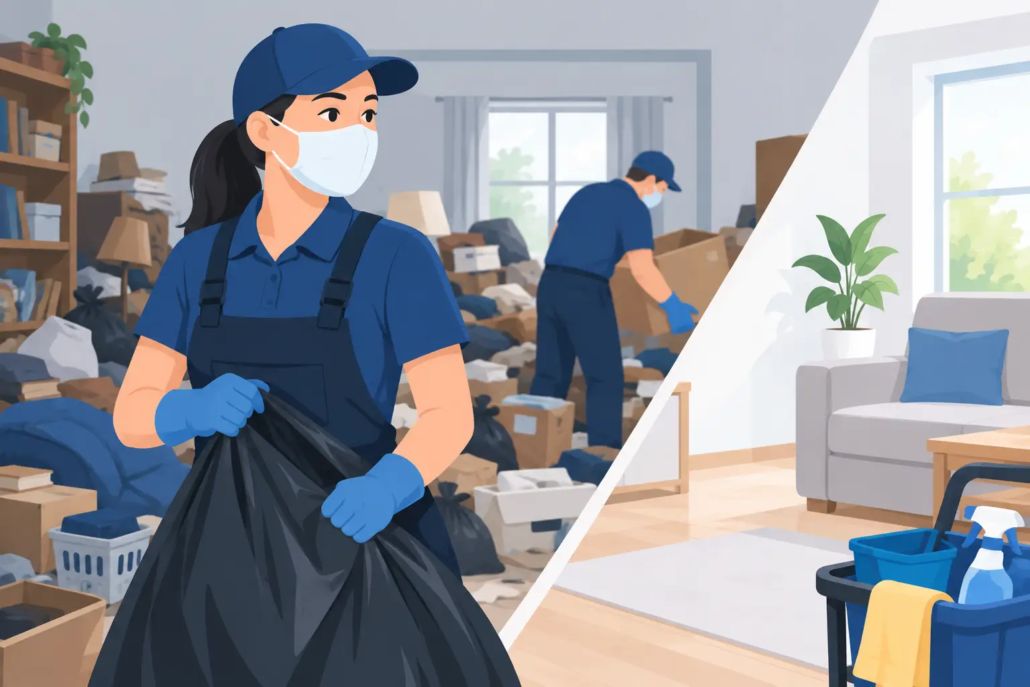
A professional team uses appropriate personal protective equipment, containment practices, cleaning methods, and disposal procedures for the conditions present. They can also recognize when a surface is not safely cleanable and needs removal or replacement. This is especially valuable when a property will be occupied by children, older adults, tenants, employees, or people with respiratory concerns.
Trying to clear a heavily impacted space with friends or family can create unintended exposure. It can also put people at risk of cuts, lifting injuries, falls, or contact with needles and other sharps. A trained crew is better equipped to work carefully in confined, obstructed areas and to respond if a hazard is found.
It protects the property after the clutter is gone
Removing contents is only the first stage. Once floors, walls, cabinets, and utility areas are visible, the true condition of the property becomes clear. There may be stains, odors, mold growth, damaged subflooring, broken fixtures, or water damage that was hidden for years.
A professional company can address the condition behind the clutter instead of leaving the owner to find separate vendors after the cleanout. That may include deep cleaning and disinfection, odor treatment, removal of damaged materials, remediation, repairs, and reconstruction. For landlords and estate representatives working against a move-in, sale, or probate deadline, this approach can prevent a cleanup from turning into a long chain of disconnected projects.
Renew Cleaning & Restoration handles complex projects from inspection and removal through cleaning, remediation, repair, and reconstruction. Rather than coordinating a hauling crew, a cleaning company, and repair contractors separately, clients have one accountable team guiding the next step.
Compassion Is Part of a Professional Hoarding Cleanup
Hoarding situations can involve grief, trauma, isolation, disability, family conflict, or years of deferred maintenance. The cleanup itself can be emotionally difficult, even when everyone agrees that the property needs help. A crew that treats the situation as a spectacle or rushes a client through decisions can make an already painful process worse.
Professional service should be respectful, private, and direct. The goal is not to judge the person who lived in the space. It is to make the environment safer and more manageable. That means explaining the process plainly, listening to priorities, and keeping communication focused on practical decisions.
For an occupied home, it may be appropriate to complete the project in phases. A team might first clear exits, kitchens, bathrooms, or bedrooms, then move through less urgent areas. For an estate, vacant rental, or property transfer, the work may need to move more quickly. There is no single correct timeline. What matters is having a written plan that reflects safety requirements, property deadlines, and the client’s ability to make decisions.
Professional Help Saves More Than Time
A do-it-yourself cleanup can appear less expensive at first, particularly when family members are available to help. But the real cost includes dumpster rentals, hauling, cleaning supplies, protective equipment, lost work time, disposal restrictions, and the risk of missing hidden damage. If odors, contamination, or moisture issues remain after the cleanout, the property may still be unsuitable for occupancy or sale.
Professionals also bring project management. They can sequence the work so that removal does not interfere with remediation, repairs, or final cleaning. They document conditions, coordinate disposal, and help the client understand which problems are cosmetic and which require immediate attention. This is useful for insurance conversations, real estate transactions, tenant turnover, and estate administration.
That said, not every cluttered property requires a full-scale professional cleanup. If the home is safe, there are no sanitation concerns, and the resident can sort and remove items without distress or injury, a smaller, gradual approach may be enough. Professional support becomes the wiser choice when access is blocked, health hazards are present, the property has been abandoned, time is limited, or the people involved cannot safely take on the work.
What to expect from a qualified company
Before work begins, a qualified company should inspect the property and explain the recommended scope. Ask how items will be sorted, how valuables and documents will be handled, what safety measures are needed, and whether the estimate includes cleaning, disposal, odor treatment, remediation, and repairs.
You should also ask what happens if conditions change once the team reaches hidden areas. In complex properties, unexpected damage is possible. A clear provider explains how it documents new findings, discusses options, and gets approval before moving into additional work.
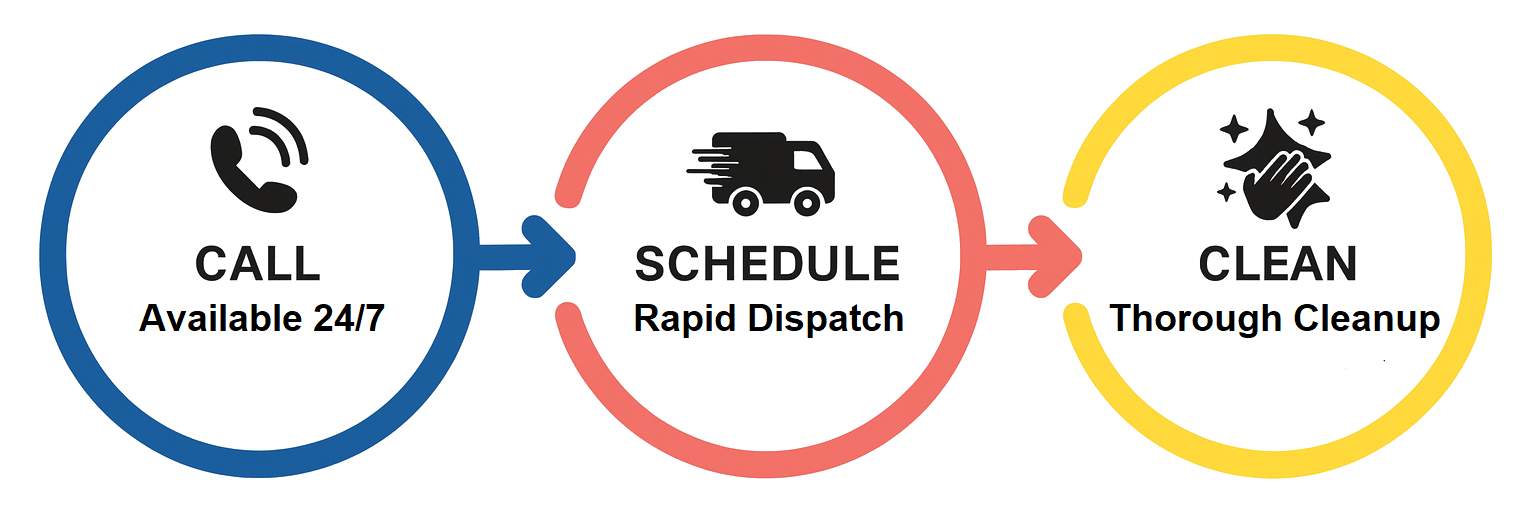
For urgent conditions, response time matters. A blocked exit, active water damage, strong odor, pest activity, or unsafe sanitation issue should not wait for a convenient date on the calendar. Texas property owners can benefit from a provider with 24/7 availability and the ability to bring in the right services without delay.
The Goal Is a Safe, Usable Space
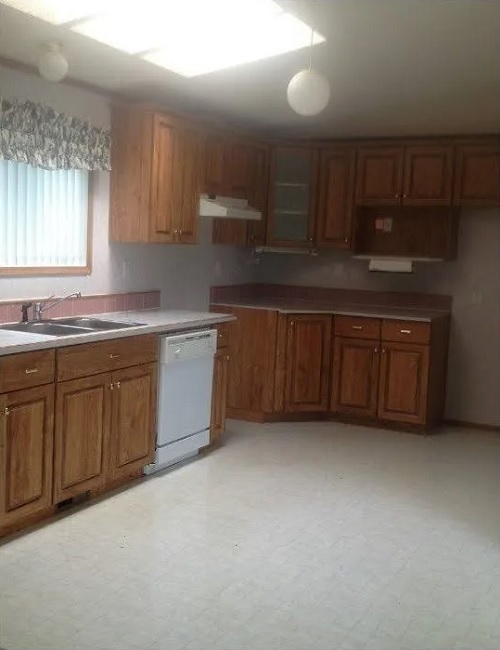
A successful hoarding cleanup does not simply produce empty rooms. It restores safe access, improves sanitation, identifies damage, and gives the owner or family a realistic next step. That may mean preparing a house for a loved one’s return, making a rental unit ready for tenants, or turning an estate property into a place that can be repaired and sold.
If the situation feels too large to start, begin with an inspection and an honest conversation about priorities. One measured, respectful plan can turn a property that feels impossible into a space where people can move forward.