Property Manager Emergency Response Guide
A burst supply line at 2:00 a.m. does not wait for office hours, approval chains, or a convenient vendor schedule. The first decisions made in the next 30 minutes can protect residents, reduce building damage, and keep a difficult claim from becoming a prolonged vacancy. This property manager emergency response guide gives Texas property managers a practical framework for responding calmly when a property becomes unsafe, damaged, or uninhabitable.
The goal is not to solve every problem personally. It is to protect people first, stop the source when it is safe to do so, preserve the condition of the property, and put one accountable recovery plan in motion.
The First 30 Minutes: Safety Before Property
An emergency response starts with a quick assessment: Is anyone in immediate danger? A property can be damaged, but people cannot be replaced. If there is a fire, gas odor, electrical hazard, active flooding near electrical equipment, suspected crime, serious injury, or a hazardous material release, call 911 or the appropriate emergency authority before contacting restoration vendors.
Give residents clear, direct instructions. Tell them whether to evacuate, avoid a particular area, shut off a fixture if they can do so safely, or wait outside for further direction. Do not ask tenants to enter standing water, move contaminated belongings, investigate a moldy ceiling collapse, or clean blood, sewage, animal waste, or other potentially infectious material.
Once the immediate threat is controlled, identify the source of the problem. For water damage, that may mean shutting off the unit-level supply valve or the building’s main water line. For a roof leak during a storm, it may mean safely containing water only after electrical hazards have been ruled out. For fire or smoke damage, do not allow re-entry until fire officials say the building is safe.
Create One Point of Contact
Confusion grows when tenants, maintenance staff, owners, insurance representatives, plumbers, and cleaners all receive different instructions. Assign one decision-maker for the incident and one backup. That person should maintain a written timeline of calls, approvals, conditions observed, and work completed.
The contact should also decide who communicates with residents. A short, accurate update is better than a promise made too early. For example: “A restoration team is responding. Please remain out of Unit 204 until we confirm it is safe to enter. We will provide an update by 10:00 a.m.” This reassures tenants without speculating about the extent of damage or when repairs will be complete.
Property Manager Emergency Response Guide: Stabilize the Loss
After life safety, the priority is preventing additional damage. This is called stabilization, and it often determines whether a loss stays limited to one unit or spreads through flooring, walls, common areas, and neighboring spaces.
For a clean-water supply leak, fast extraction and structural drying may prevent swelling baseboards, damaged cabinetry, microbial growth, and tenant displacement. For a sewer backup, the response is different. The affected area may contain contaminants, so access must be restricted and trained remediation professionals should handle removal, cleaning, and disinfection.
Fire losses also require restraint. Water used to extinguish a fire can continue damaging the structure long after the flames are out. Smoke residue can migrate through HVAC systems and settle in areas that appear untouched. Property managers should secure the site, prevent unauthorized entry, and arrange for professional inspection before deciding what can be cleaned, removed, or restored.
A capable emergency provider should be able to assess the damage, document the condition, remove affected materials when necessary, begin mitigation, and coordinate repairs. Using separate vendors for extraction, demolition, cleaning, mold remediation, and reconstruction can work on a simple loss, but it creates more handoffs and more room for delays on a complex event.
Document Conditions Without Delaying Help
Documentation protects the owner, supports insurance communication, and provides a reliable record if questions arise later. It should never delay a necessary emergency call or immediate mitigation.
Before major cleanup begins, take date-stamped photos and video of affected rooms, visible water lines, damaged finishes, personal property, equipment, and the apparent source of loss. Capture wide views that establish the location, then closer images of specific damage. Keep notes factual. Record “water visible under laminate flooring in kitchen” rather than guessing that the flooring is permanently ruined.
Maintain a simple incident log that includes the time the issue was reported, who responded, steps taken to secure the property, vendors contacted, tenant communications, and restoration updates. Save invoices, work authorizations, moisture readings, inspection reports, and receipts for emergency repairs.
There is a practical balance here. An insurance carrier may need documentation and claim information, but waiting for an adjuster before extracting standing water or securing a damaged roof can make the loss worse. Emergency mitigation is generally about preserving the property, not making premature repair decisions. When in doubt, communicate with the carrier while moving forward with reasonable steps to prevent further damage.
Match the Response to the Type of Emergency
Not every incident needs the same crew, equipment, or communication plan. Treating all property emergencies as routine maintenance can expose residents and staff to unnecessary risk.
Water, Flooding, and Storm Damage
Water damage calls for speed. Shut off the source if possible, remove standing water, protect unaffected contents, and start professional drying. A small leak caught early may only require targeted extraction and monitoring. A widespread flood, roof failure, or water intrusion involving multiple units may require temporary relocation, moisture mapping, controlled demolition, and reconstruction.
Outdoor floodwater and sewage-contaminated water should be treated with added caution. Porous materials such as carpet pad, insulation, and some drywall may need removal, depending on the contamination level and how long they were wet.
Fire, Smoke, and Odor
Fire damage is rarely limited to what burned. Smoke can affect adjacent units, corridors, HVAC systems, furniture, and electronics. Secure the building, check for water damage from suppression efforts, and arrange for a detailed evaluation. Covering odors with fragrance or repainting before surfaces are properly cleaned can leave the underlying problem in place.
Mold and Moisture Concerns
A mold report from a tenant should be addressed promptly, but it should not be handled as a cosmetic cleaning request. The critical question is where the moisture is coming from. A professional inspection can identify plumbing leaks, HVAC condensation, roof intrusion, or hidden wet building materials. Cleaning visible growth without correcting the moisture source often leads to recurrence.
Biohazard, Trauma, Hoarding, and Severe Sanitation Conditions
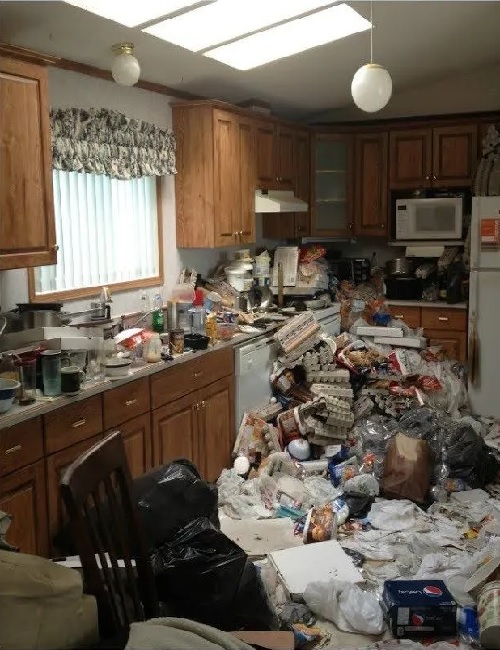
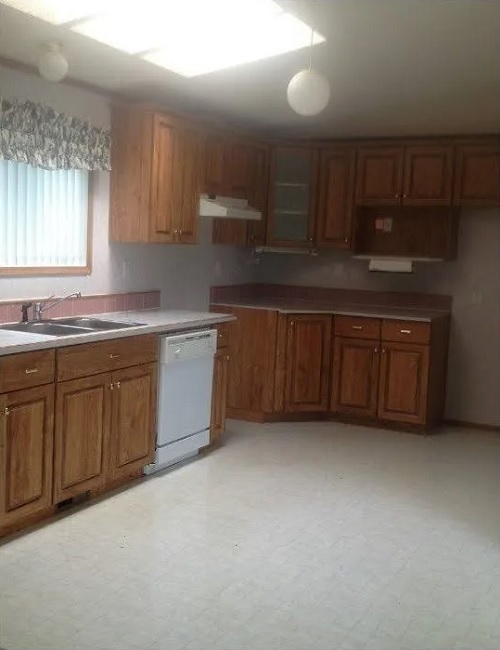
These events require discretion as well as technical care. Restrict access, protect privacy, and avoid assigning untrained maintenance personnel to contaminated scenes. Bloodborne pathogens, decomposition, animal waste, needles, heavy clutter, and persistent odors can require specialized PPE, regulated disposal, deep cleaning, deodorization, and repairs after the site is cleared.
Build the Vendor Plan Before the Emergency
The worst time to search for a restoration partner is while water is spreading down a hallway. Prequalify emergency vendors before you need them, and confirm their actual after-hours response process. “Available 24/7” should mean someone can answer, assess the situation, deploy trained technicians, and communicate with your team at any hour.
Ask whether the provider can manage the complete scope when a loss expands. A water emergency may reveal mold behind walls. A fire loss may need board-up, cleaning, odor treatment, demolition, repairs, and reconstruction. One provider that can take ownership from inspection through final repair reduces coordination demands on the property manager and gives residents a clearer path back to normal.
Renew Cleaning & Restoration provides that end-to-end emergency support across Texas, from immediate mitigation and specialized cleanup to repair and reconstruction. For managers, that means one call can begin the recovery process rather than starting a chain of disconnected vendor searches.
Communicate With Residents Like a Professional
Tenants do not need every technical detail, but they do need timely information. Explain what happened in plain language, what areas are restricted, what safety precautions apply, and when they can expect the next update. If a unit is temporarily uninhabitable, provide the process for retrieving essential items only after the area is cleared for entry.
Avoid assigning blame during the response. Focus on facts, safety, and next steps. A respectful approach matters especially in sanitation, hoarding, trauma, or loss-of-home situations, where residents may be frightened, embarrassed, or grieving.
After the property is stable, schedule regular updates until work is complete. Even when the answer is “drying equipment is still running and we are waiting on materials,” a reliable update reduces frustration and unnecessary calls.
Review Every Major Incident
When the immediate work is done, take 20 minutes to review what slowed the response. Was the shutoff valve accessible? Did after-hours staff know whom to call? Were tenant phone numbers current? Did the vendor provide clear documentation? The answers turn a difficult event into a stronger operating plan.
Keep your emergency contacts, utility shutoff locations, property access procedures, insurance information, and preferred restoration partner in one place that on-call staff can access at any hour. A prepared response will not eliminate every loss, but it gives your team the ability to act quickly, protect residents, and move each property toward recovery with confidence.