First Steps in Getting Hoarding Help Safely
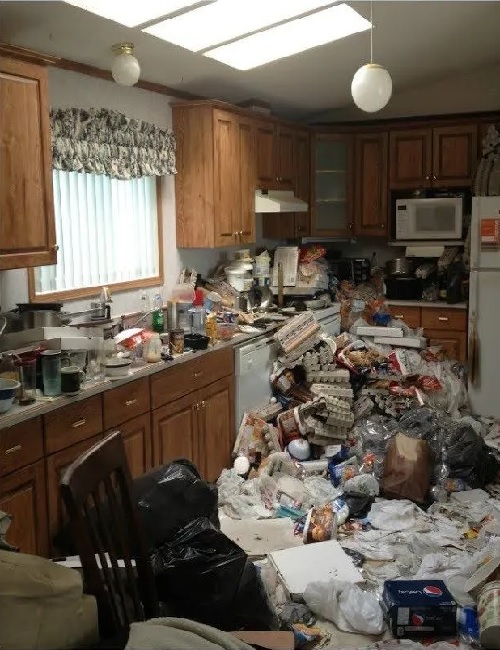
When a home has become difficult to walk through, clean, maintain, or safely occupy, the first steps in getting hoarding help can feel overwhelming. Families may be worried about a loved one’s well-being, while property owners may be facing odors, pests, code concerns, damage, or an upcoming sale. The right first move is not to empty the house in a rush. It is to make the space safer, protect the person involved, and get a clear plan for what comes next.
Hoarding conditions are rarely just a cleaning issue. They can involve grief, health challenges, family conflict, fire risk, water damage, animal waste, mold, and belongings that need careful sorting. A respectful, organized response protects both the property and the people connected to it.
Start With Immediate Safety, Not the Clutter
Before anyone starts moving boxes or filling trash bags, look for urgent hazards. If exits, hallways, or stairs are blocked, there may be no safe way to leave during a fire or medical emergency. If utilities are damaged, there is a strong odor of gas, standing water, exposed wiring, or a risk of collapse, do not try to work around the problem.
Call 911 for an immediate emergency. For non-emergency but serious property hazards, a professional inspection can identify the safest order of work. This may mean securing utilities, creating safe access paths, addressing active water damage, or removing biohazardous material before ordinary cleanup begins.
Take a few simple notes from a safe location. Which rooms are inaccessible? Is there evidence of pests, animal waste, mold, spoiled food, leaking pipes, or damaged flooring? Are there important documents, medications, valuables, or family items that must be found and protected? Those details help a cleanup team build a plan that fits the home rather than applying a one-size-fits-all approach.
Approach the Person With Respect
For many people, possessions have real emotional meaning, even when the home’s condition has become unsafe. Pressure, shame, threats, or surprise cleanouts can make the situation harder and may damage trust. If the occupant is able to participate, involve them in decisions about personal belongings, photos, documents, heirlooms, and items that need to be set aside.
Use direct but compassionate language. Instead of arguing over whether something should be kept, focus on practical goals: restoring a safe path to the bathroom, making the kitchen usable, preparing for repairs, or creating a clean room where someone can sleep. Smaller goals are often more manageable than demanding that the entire home be changed at once.
There are situations where the property owner, estate representative, landlord, or legal decision-maker must move forward without the occupant’s full participation. Even then, discretion and respect matter. A professional crew should handle the work privately, identify items designated for retention, and keep the project focused on safety and restoration rather than judgment.
Understand When Cleanup Requires Professional Help
A light clutter problem may be manageable with family support and steady organization. Severe hoarding conditions often need more than extra hands. The job can become hazardous when materials have accumulated for years, rooms are blocked, pests are present, or moisture and contamination have affected the structure.
Professional hoarding cleanup is especially appropriate when there are:
- Blocked exits, stairs, bedrooms, kitchens, or bathrooms
- Rodent droppings, insect activity, animal waste, spoiled food, or strong odors
- Sharps, medications, chemicals, firearms, or unknown substances in the debris
- Mold, sewage, water damage, damaged drywall, or weakened floors
- A pending inspection, real estate deadline, tenant turnover, or estate settlement
These conditions call for proper protective equipment, containment, disposal practices, and trained judgment. Trying to force the work into a weekend can expose family members to harmful dust, bacteria, mold spores, or injuries from unstable piles and hidden hazards. It can also cause accidental loss of financial records, legal papers, photographs, and valuables.
Get an Assessment Before Committing to a Scope
The next practical step is a site assessment. A qualified restoration and cleanup provider should evaluate access, sanitation conditions, contamination, odors, structural damage, contents handling, and disposal needs. The goal is to determine what can be cleaned, what must be removed, and whether repairs or reconstruction will be needed after the property is cleared.
Ask for a clear explanation of the proposed work. A useful estimate separates the major parts of the project: sorting and removal, deep cleaning, disinfection, odor treatment, pest-related sanitation, damage mitigation, and repairs. The final scope depends on the property. A home with ordinary household clutter needs a different response than one affected by decomposition, animal waste, mold, or long-term water intrusion.
Cost is a valid concern, but the lowest number is not always the best value. A partial cleanup can leave hidden odor sources, contaminated subfloors, damaged cabinets, or unsafe materials behind. On the other hand, not every property requires full reconstruction. The right scope should address the actual condition of the home without adding unnecessary work.
Create a Sorting Plan That Protects What Matters
One of the most common fears is that an important item will be thrown away. A professional cleanup plan should account for that concern before removal begins. Designate categories for documents, jewelry, photographs, keys, financial records, medications, sentimental items, and items that may have resale or estate value.
It helps to identify one or two decision-makers rather than asking a large group of relatives to approve every item. Too many voices can bring the project to a standstill. When families disagree, set simple priorities: safety first, essential documents second, sentimental items third, and ordinary household contents after that.
Some items cannot be safely retained, especially if they are heavily contaminated by mold, sewage, animal waste, or pests. In those cases, documentation through photographs may provide a record before disposal. This can be useful for family members, estate files, insurance discussions, or simply preserving the memory of an item that cannot be cleaned.
Expect Cleanup and Restoration to Be Connected
Removing contents is only part of the job. Once rooms are accessible, hidden damage often becomes visible. A leaking pipe may have damaged flooring. Pet waste may have penetrated carpet, padding, and subflooring. Mold can be concealed behind furniture or piles stored against walls. Smoke, decay, and other odors may have entered porous materials and HVAC components.
This is where an all-in-one restoration provider can reduce stress. Instead of coordinating one company for removal, another for sanitizing, and another for repairs, the same team can manage the work from inspection through cleanup, mitigation, repair, and reconstruction. Renew Cleaning & Restoration handles complex cleanup and restoration projects across Texas with that single-provider approach, including discreet hoarding cleanup when conditions require more than standard cleaning.
The process may include removal and hauling, detailed cleaning, disinfection, odor treatment, mold remediation, water damage mitigation, flooring replacement, drywall repair, painting, and reconstruction. Not every project needs every service. A thorough assessment keeps the work tied to the property’s actual needs.
Plan for What Happens After the Cleanup
A clean home is a meaningful turning point, but it is not always the end of the support needed. If hoarding behavior is connected to grief, depression, trauma, anxiety, or another health concern, encourage ongoing support from a licensed mental health professional, physician, or local community resource. Cleanup addresses the physical environment; long-term support can help sustain the progress.
Practical systems also make a difference. Keep clear walking paths as a non-negotiable safety rule. Set a regular schedule for trash removal, laundry, dishes, and mail. If the home is large or the situation has been severe, periodic cleaning or property check-ins may prevent small setbacks from becoming another major project.
For landlords, estate representatives, and property managers, document the condition of the property and the completed work. Keep estimates, invoices, photographs, and repair records together. These records can be valuable for insurance claims, tenant files, estate administration, or future sale disclosures.
A Safe First Call Can Change the Direction of the Project
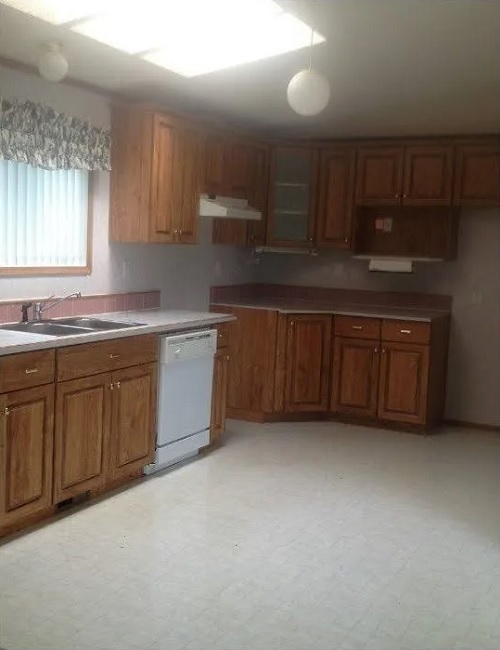
Hoarding cleanup does not need to begin with confrontation or chaos. It begins with a calm assessment of safety, a respectful plan for belongings, and qualified help for the conditions inside the property. Whether the goal is to make a home livable again, prepare it for sale, or restore it after a difficult loss, taking one informed first step can replace uncertainty with a workable path forward.