What Should I Expect From a Hoarding Cleaning Company?
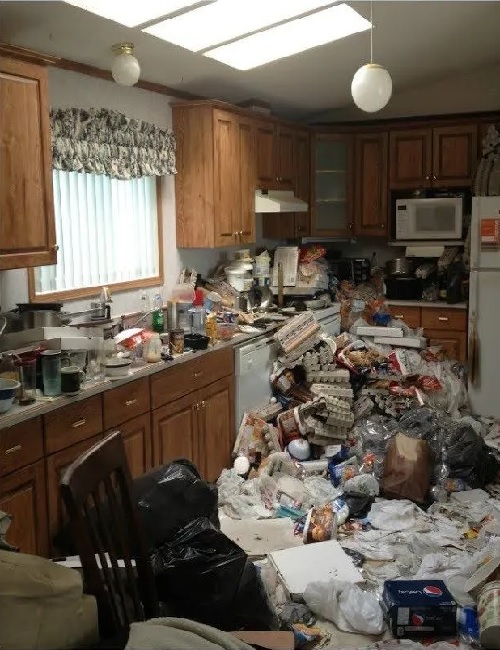
A hoarding cleanup is rarely just about removing belongings. It may involve difficult family decisions, unsafe living conditions, strong odors, pests, biohazards, property damage, and a home that needs real repairs before anyone can safely return. If you are asking, what should I expect from a hoarding cleaning company, the answer should begin with respect. You should expect a trained team that can take control of the physical work without treating the person, family, or property as a problem to be judged.
A capable hoarding cleanup company should also be prepared to handle more than hauling. The best outcome is a clean, safe, usable property with one accountable team managing the project from inspection through restoration.
What Should I Expect From a Hoarding Cleaning Company?
Expect a clear process, honest communication, and a plan tailored to the condition of the home. Every property is different. One home may need sorting support, removal, deep cleaning, and odor treatment. Another may have structural damage, mold, animal waste, insect activity, damaged flooring, or contaminated materials that require specialized remediation.
A professional company should not promise a price or timeline without first understanding the scope. During the initial conversation, they should ask practical questions about the property, the areas affected, access, visible hazards, whether utilities are working, and whether there are urgent concerns such as sewage, deceased animals, mold, or unsafe walkways. For urgent situations, a responsive provider should be able to mobilize quickly and explain what needs to happen first to stabilize the property.
You should also expect discretion. Hoarding conditions can be deeply personal, and family members may be managing stress, grief, conflict, health concerns, or an estate situation. The crew should communicate plainly and protect your privacy, not turn a sensitive cleanup into a spectacle.
The First Step Is a Detailed, No-Pressure Assessment
An on-site inspection allows the cleaning company to see what is actually present beneath the clutter. This matters because surface-level photos rarely show the full condition of floors, walls, bathrooms, kitchens, HVAC systems, or hidden moisture damage.
During the assessment, the team should identify safety risks and separate work into practical phases. They may determine that pathways need to be cleared before crews can safely enter other rooms. They may find that some materials can be cleaned while others are too damaged or contaminated to save. If there is evidence of mold, rodent droppings, animal waste, spoiled food, sharps, or other biohazards, the work plan should account for proper containment, personal protective equipment, removal, and disinfection.
This is also the right time to discuss priorities. Perhaps a family needs to locate legal documents, photographs, jewelry, medical records, heirlooms, or a specific piece of furniture. Tell the team before removal begins. A professional crew can establish a keep, donate, recycle, dispose, and review process, but it helps to be realistic: sorting every item individually can add considerable time and labor. When health and safety risks are severe, clearing and sanitizing may need to take priority.
Removal Is Organized, Not Just a Dumpster Job
A hoarding cleanup company should bring enough labor, equipment, containers, and disposal capacity for the actual volume of material. That can include furniture, damaged household goods, bagged trash, food waste, clothing, appliances, electronics, construction debris, and materials that require special handling.
The removal process should be systematic. Crews typically establish safe entry and exit paths, work room by room, bag and stage materials, and load them for appropriate disposal. Items with donation or recycling potential may be separated when conditions allow. However, health conditions, contamination, time constraints, and local disposal rules can affect what can be donated or recycled.
Do not be surprised if the home looks worse for a short period during active removal. Once contents are pulled away from walls, closets, and corners, hidden damage can become visible. That is not necessarily a sign that the project is going off track. It is often the first honest view of what the property needs.
Cleaning May Include Biohazard and Odor Remediation
After removal, the real restoration work begins. A standard housekeeping service is not equipped for many hoarding conditions. Depending on the property, professional cleaning may include heavy-duty cleaning, disinfection, deodorization, pest-related sanitation, carpet removal, subfloor treatment, wall washing, and cleaning of kitchens, bathrooms, and appliances.
When bodily fluids, animal waste, decomposing food, rodent contamination, needles, or other potentially infectious materials are present, trained remediation procedures matter. These materials cannot be handled safely with ordinary cleaning products and trash bags. The company should use appropriate protective measures, containment practices, and disposal methods for the condition involved.
Odor removal also requires more than fragrance. If odor-causing material remains in carpet padding, drywall, cabinets, insulation, subflooring, or HVAC components, the smell can return after a surface cleaning. In some cases, affected porous materials need to be removed. In others, targeted cleaning and deodorization can resolve the issue. A reputable company will explain the difference rather than promise that every odor can be eliminated with one treatment.
Expect Documentation and Clear Updates
Hoarding cleanup projects can involve landlords, family members, estate representatives, property managers, real estate professionals, or insurance adjusters. Good documentation helps everyone understand what was found, what was removed, and what repairs may be needed next.
Ask how the company will communicate during the project. You should know who your point of contact is, what decisions require your approval, and how unexpected findings will be handled. Photos, written scope updates, and change approvals can be especially valuable when the decision-maker is not living at the property.
Pricing should be explained in terms you can understand. The final cost may depend on volume, labor, disposal fees, contamination, access challenges, square footage, specialty remediation, and the level of repair needed afterward. An estimate should make the scope clear, while also acknowledging that concealed damage can only be identified after contents are removed.
Cleanup Is Only Part of Returning the Property to Use
One of the most overlooked parts of hoarding cleanup is what happens after the home is cleared. Floors may be stained or damaged. Walls may need repair and paint. Water damage, mold, broken plumbing, damaged cabinets, or unsafe electrical conditions may have been hidden for months or years.
Working with separate cleaners, remediation companies, repair crews, and contractors can create delays and confusion. A full-service provider can manage removal, sanitation, mitigation, repairs, and reconstruction under one plan. For Texas property owners, Renew Cleaning & Restoration can coordinate that full path, helping reduce the burden of finding a new vendor every time another issue is uncovered.
That all-in-one approach is especially useful when the property must be prepared for sale, rental turnover, occupancy, renovation, or an estate closing. It also creates a clearer line of responsibility. Instead of wondering whether the cleaning crew, mold company, or contractor owns the next step, you have one team coordinating the work.
Questions Worth Asking Before You Hire
Before choosing a company, ask whether its crews are trained to handle biohazards and contamination, whether it can provide removal and disposal as part of the service, and whether it can complete needed repairs after cleanup. Also ask about its availability, estimate process, privacy practices, insurance coordination if applicable, and how it handles valuables or items that need review.
Pay attention to how the company responds. A good provider will not minimize the condition, pressure you into immediate decisions, or speak vaguely about safety. It should be direct about what it can do, what may require additional work, and what choices you have.
The right hoarding cleaning company brings order to a situation that may feel impossible to manage alone. Start with a walk-through, identify the immediate safety concerns, and let a qualified team build a practical plan that protects the people involved as carefully as it restores the property.