My Parents Are Gone and Left Me Their House – Now What?
The first time you unlock the door after losing a parent, the house can feel less like an asset and more like a thousand decisions waiting at once. If you are asking, “my parents are gone and left me their house, what do I do now?” start by giving yourself permission not to decide everything this week. Your first job is to protect the property, preserve what matters, and avoid expensive mistakes while the legal and emotional details settle.
Secure the house before making big decisions
An inherited home can become vulnerable quickly, especially if it sits empty. Confirm that exterior doors and windows lock, collect keys, change or rekey the locks if needed, and let trusted neighbors know who to call if they notice a problem. Do not post details about the death, an empty house, or valuable belongings on social media.
Keep the utilities on for now unless a qualified professional advises otherwise. Turning off electricity, water, or HVAC without a plan can create larger issues. In Texas heat, for example, a home without air conditioning may develop moisture problems, odors, or mold. A vacant house can also suffer major damage from a small plumbing leak that goes unnoticed.
Call the homeowner’s insurance company promptly. Ask how the policy handles a vacant home, whether coverage remains in place during probate, and what steps the insurer requires. Document the date, the representative’s name, and the guidance you receive. If there is water damage, storm damage, smoke odor, mold, or a break-in, photograph the conditions before moving or discarding items unless there is an immediate safety concern.
Get legal authority before clearing anything out
Even when you are named in a will, ownership may not transfer immediately. Probate, a transfer-on-death deed, a trust, joint ownership, outstanding debts, and other estate details can all affect who has authority to sell, clean out, repair, or remove property.
Speak with a Texas estate attorney or the person handling the estate before making permanent decisions. This is particularly important when there are siblings, heirs, creditors, or unclear instructions. A disagreement over a family photo album can become painful. A disagreement over jewelry, firearms, documents, or a home sale can become much more serious.
Before a major cleanout, look carefully for wills, deeds, insurance policies, tax records, bank statements, vehicle titles, military records, safe-deposit box information, and funeral paperwork. Check desks, filing cabinets, closets, locked boxes, and other logical places, but do not force entry into safes or locked rooms without legal guidance. Make copies or scans of essential documents and keep originals in a secure location.
Make a careful inventory of the house and its contents
Grief can make even ordinary objects feel impossible to sort. Begin with a walkthrough, not a cleanup. Take wide photos and short videos of every room, garage, attic, shed, and exterior area. Note visible damage, valuable belongings, and items that may need special handling.
Then divide the work into manageable categories: documents and valuables, sentimental items, items that family members may want, donations, recyclables, and disposal. You do not have to organize every drawer in a single day. In fact, rushing often leads to lost heirlooms, missed paperwork, and regret.
If multiple family members are involved, create a simple process before anyone starts taking items home. Photos, a shared inventory, and a written agreement about how choices will be made can prevent conflict later. If conditions in the home are unsafe or overwhelming, do not ask relatives to work through them alone.
Treat unknown conditions as a safety issue
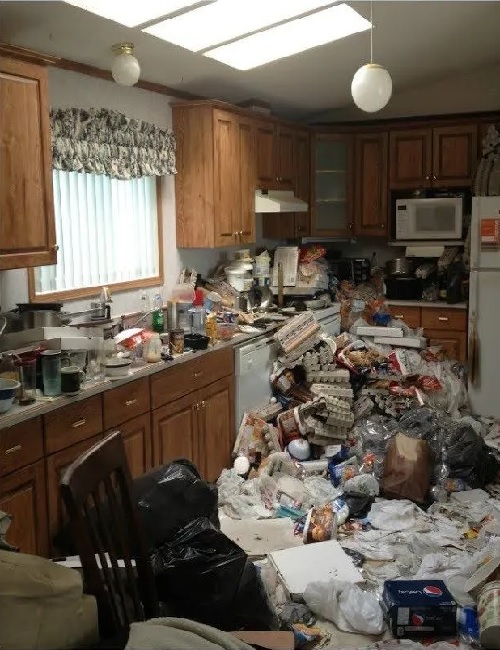
Some inherited homes need more than a standard cleaning. A house may have been closed up for months, affected by a water leak, filled with excessive belongings, or contaminated by animal waste, mold, pests, smoke, or decomposition odors. In these circumstances, opening windows and bringing in friends with trash bags is not always the right answer.
Wear appropriate protective gear for basic sorting, but stop and bring in trained professionals if you find suspected mold growth, sewage, standing water, rodent droppings, needles, strong odors, damaged ceilings, unstable floors, or extensive hoarding conditions. These problems can involve airborne contaminants, structural risks, and hidden damage behind walls or beneath flooring.
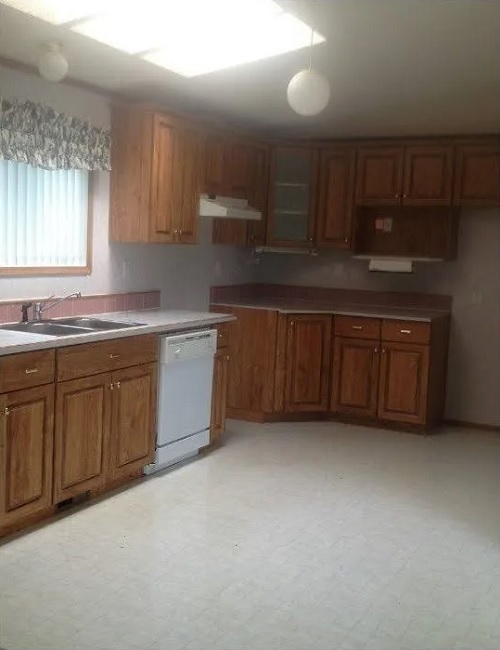
A professional inspection helps establish what is actually happening before you spend money on cosmetic work. For example, painting over smoke odor rarely solves it. Cleaning visible mold without correcting the moisture source allows it to return. Removing wet carpet without drying the structure can leave moisture trapped underneath. The right sequence is inspection, cleanup and removal, mitigation, repair, and reconstruction if needed.
Renew Cleaning & Restoration can handle that full process for Texas families dealing with difficult property conditions, from specialty cleanup and odor removal to water mitigation, repairs, and reconstruction. One accountable team can reduce the burden of coordinating separate cleanup crews, contractors, and restoration providers during an already difficult time.
Decide whether to keep, rent, or sell the home
Once the house is secure, legally cleared, and understood, you can begin evaluating its future. There is no universally correct choice. Keeping a parent’s house may make sense if you plan to live there, want to preserve a family property, or can realistically afford the taxes, insurance, repairs, and ongoing maintenance.
Renting can provide income, but it also turns you into a landlord or requires hiring a property manager. Consider the home’s condition, local rental demand, needed upgrades, and whether you have the capacity to handle tenant calls, maintenance, and vacancies. A rental property with unresolved water damage, electrical problems, or sanitation issues can become more expensive than it looks on paper.
Selling may be the practical choice when the property needs substantial work, heirs need to divide proceeds, or the home is far from where you live. Before listing it, request a realistic assessment of repairs and cleanup needs. Some work will protect value and make the house market-ready. Other upgrades may not return their cost. A trusted real estate professional can help you weigh an as-is sale against cleaning, repairing, and listing in better condition.
Protect the home while probate and decisions continue
Vacant homes need regular attention. Visit the property or ask a trusted person to check it routinely. Look for leaks under sinks, roof damage after storms, pest activity, tripped breakers, unusual odors, and HVAC problems. Keep lawns maintained and mail collected so the home does not appear abandoned.
Continue paying required expenses from the appropriate estate funds when authorized, including insurance, taxes, utilities, mortgage payments, and necessary maintenance. Do not assume the mortgage disappears when the owner dies. Contact the loan servicer, explain the situation, and keep records of every conversation and payment.
It is also wise to avoid accepting verbal estimates for major work. Ask for a clear scope describing what will be removed, cleaned, dried, repaired, or rebuilt. In a house with water, mold, fire, biohazard, or heavy contents, the lowest price may not include the full work needed to make the property safe. A complete plan is often more valuable than a cheap first step that leaves the next problem behind.
Give yourself a workable timeline
You may feel pressure from family, neighbors, bills, or the emotional weight of the house itself. Still, most inherited homes do not require an instant decision. Create a short list for the next seven days: secure the property, notify insurance, locate estate documents, arrange legal guidance, and identify immediate hazards. After that, schedule the inspection, inventory, cleanup, and property evaluation needed to make an informed choice.
There will be moments when a box of photographs stops the work for the day. That is not failure. Handle the property carefully, bring in help when conditions exceed what family can safely manage, and let practical decisions happen one clear step at a time.