Am I a Hoarder? Signs It’s Time for Help
A crowded garage, a stack of unopened mail, or a room no one uses can lead to a hard question: am I a hoarder? Asking it does not mean you have failed. It means you are paying attention to whether belongings are beginning to affect your safety, health, relationships, or ability to use your home.
Hoarding is not simply having too much stuff or preferring a full home. Many people collect items, save sentimental belongings, or fall behind after a move, illness, grief, or busy season. The concern is the impact. When acquiring items and difficulty discarding them create persistent clutter that takes over living spaces or causes real distress, it may be time to seek support.
Am I a Hoarder? Start With the Impact
A practical way to assess the situation is to look beyond the number of possessions. Ask whether the home still works as a home. Can you safely cook in the kitchen, sleep in the bed, use the bathroom, walk through hallways, and allow needed repairs to be completed?
Hoarding conditions often develop gradually. A person may begin saving items because they could be useful later, feel too meaningful to throw away, or seem too valuable to waste. Over time, decisions about what stays can become exhausting. Avoiding those decisions may bring temporary relief, but the volume grows and the home becomes harder to manage.
Clutter can be frustrating, but it is usually possible to sort, organize, and remove with reasonable effort. Hoarding becomes more likely when possessions substantially limit the intended use of rooms, create unsafe conditions, or lead to intense anxiety at the thought of discarding even low-value items.
Signs the Situation May Need More Than Organizing
There is no single pile size that determines whether someone has a hoarding disorder. Only a qualified mental health professional can diagnose one. Still, certain signs suggest the situation deserves compassionate attention.
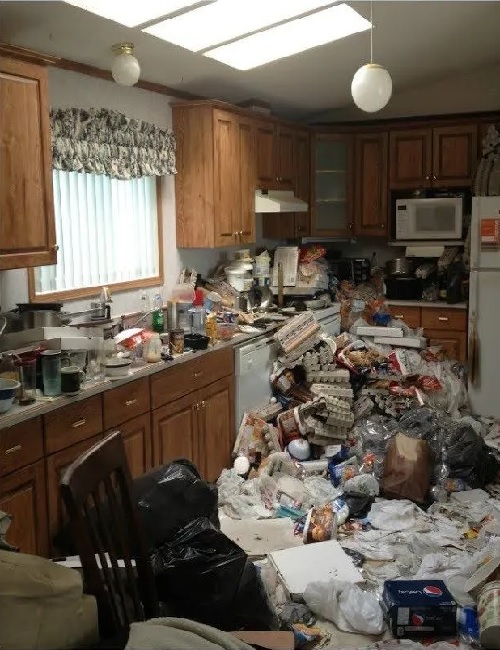
You may need help if clear paths through the home are disappearing, doors cannot open fully, or furniture and appliances can no longer be used as intended. Other warning signs include spoiled food, insect or rodent activity, animal waste, strong odors, moisture damage hidden by belongings, mold growth, overloaded electrical outlets, or blocked exits.
It can also be a concern when you avoid having family, friends, landlords, repair technicians, or medical professionals inside. Isolation often makes the problem harder to address. If you are regularly late on bills because paperwork is lost, cannot find medications or important documents, or have delayed plumbing, HVAC, or structural repairs because people cannot access the area, the effects have moved beyond housekeeping.
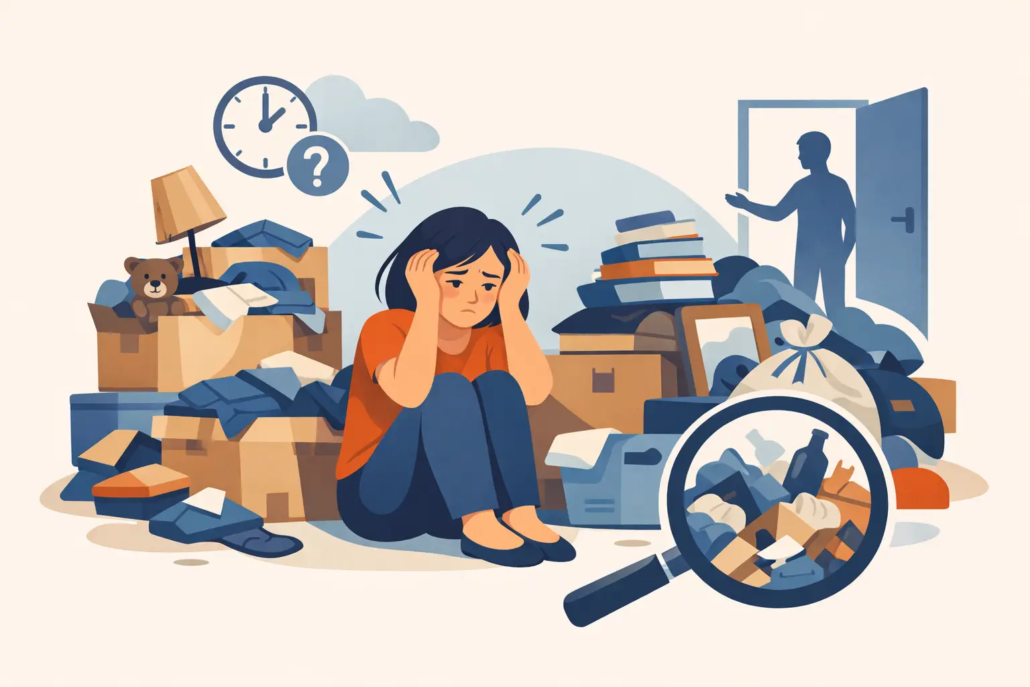
Emotional signs matter, too. Feeling upset while sorting is normal. Feeling panic, grief, anger, or unbearable distress over discarding ordinary items can make cleanup far more difficult than it appears from the outside. This is not laziness or a lack of willpower. It is a situation that may benefit from both practical assistance and mental health support.
Why Hoarding Can Become a Safety Issue
A heavily packed property can create risks that are easy to underestimate. Narrow walkways increase the chance of falls. Stacks of paper, textiles, and other combustible materials can speed the spread of a fire. Blocked doors and windows can make evacuation harder for everyone in the home, including first responders.
Moisture and pests are another concern. A small plumbing leak behind stored items can continue for months, damaging flooring, walls, and framing. Food waste and pet waste may attract insects and rodents. In some properties, contamination, decomposition odors, mold, or biohazard conditions require trained cleanup teams and protective equipment.
For tenants, owners, and landlords, delaying action can also turn a manageable cleanup into costly property damage. The goal is not to shame anyone into acting. It is to protect the person living there and preserve the property before conditions worsen.
What to Do If You Recognize These Signs
Start small, but start with safety. Do not begin by trying to clear an entire home in one weekend. Large cleanouts can be physically demanding and emotionally overwhelming, especially when the property has been affected by pests, odors, moisture, or unsanitary materials.
First, make sure there is a usable exit route. Clear a path to exterior doors and avoid moving unstable stacks alone. If there are signs of fire hazards, active leaks, mold, pest infestation, bodily fluids, animal waste, spoiled food, or unsafe structural conditions, step back from DIY cleanup and arrange a professional assessment.
Next, bring in the right kind of support. A trusted family member may be helpful for decision-making, but pressure, arguments, or surprise cleanouts often make the situation worse. If a loved one is involved, ask permission where possible, set realistic goals, and focus first on essential living areas such as the bathroom, kitchen, sleeping space, and entryways.
Mental health care can be an important part of progress, particularly when discarding causes intense distress or the accumulation pattern keeps returning. A therapist or counselor experienced with hoarding behaviors can help address the reasons items feel impossible to release. Cleanup restores the space. Ongoing support can help make the change sustainable.
When Professional Hoarding Cleanup Is the Better Choice
Professional cleanup is not only for the most severe properties. It can be the right choice when the volume is too large to manage, when family relationships are strained, or when the home contains hazards that require specialized handling.
A qualified team can separate the project into manageable phases, remove unwanted contents, address odors and contamination, and clean affected areas with discretion. For homes with water damage, mold, damaged flooring, drywall problems, or other repairs uncovered during the process, an end-to-end restoration provider can handle cleanup, mitigation, repairs, and reconstruction without forcing the owner to coordinate several companies.
That single-provider approach matters when conditions are complex. Clearing belongings may reveal a leaking pipe, pest damage, mold behind walls, or flooring that cannot be safely cleaned. Addressing only the visible clutter may leave the actual property problem behind.
Renew Cleaning & Restoration handles sensitive hoarding cleanup projects with trained professionals, clear communication, and respect for the people involved. For Texas property owners, families, estate representatives, and landlords, help is available for projects ranging from difficult cleanouts to properties requiring sanitation, remediation, repairs, and full restoration.
How to Help Someone You Love
If you are worried about a parent, spouse, neighbor, or tenant, lead with concern rather than labels. Saying, “Your home is disgusting,” may cause shame and resistance. Saying, “I’m worried you could get hurt getting through this hallway. Can we make a plan for one safe path?” is more likely to open a conversation.
Avoid removing possessions without permission unless there is an immediate safety emergency or a legal obligation to act. A sudden cleanout can be traumatic and may lead someone to bring more items into the home afterward. It is usually more effective to agree on a limited first goal, such as clearing access for a repair technician or making one bathroom usable.
There are situations where prompt action cannot wait. If blocked exits, fire hazards, unsafe sanitation, pests, mold, or an uninhabitable property are involved, prioritize immediate safety. A discreet professional assessment can clarify what must be addressed now and what can be handled in stages.
The question is not whether your home looks perfect or whether every item has a place. The meaningful question is whether you can live safely and comfortably in it. If the answer is becoming no, asking for help is a practical next step – and a respectful way to make room for a safer home and a little more peace.