Questions Every Hoarder Has About Professional Cleaners
A home can become overwhelming one bag, one box, and one hard decision at a time. By the time someone searches for answers, they are often carrying fear, embarrassment, grief, or pressure from family, a landlord, code enforcement, or an upcoming move. The questions every hoarder has about professional cleaners are rarely just about cleaning. They are about whether help can arrive without judgment and whether the home can feel manageable again.
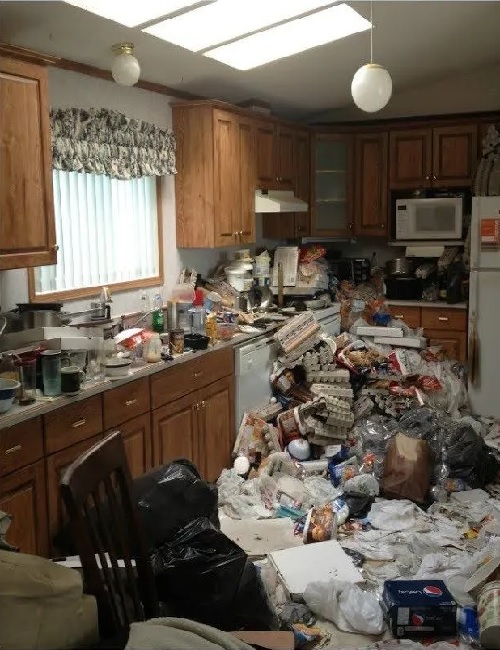
A qualified cleanup team should meet that moment with respect, not shock. Hoarding cleanup may involve sanitation hazards, structural damage, pests, odors, mold, blocked exits, or items that need careful sorting. It calls for a plan that protects the person, the property, and the people who need to enter it.
Will professional cleaners judge me or throw everything away?
A professional team should never treat a client like a problem to be solved. The condition of a property does not tell the whole story of how it got there. Loss, illness, isolation, mobility limitations, trauma, financial strain, and years of postponed decisions can all play a role.
Before work begins, the crew should ask what matters most: essential documents, photographs, valuables, sentimental belongings, medication, legal records, or specific rooms that need priority attention. The goal is not to make decisions for you. It is to create an organized process for sorting, removing approved debris, and preserving items you identify as important.
That process has limits when conditions create immediate danger. If piles block exits, conceal active leaks, contain spoiled food, animal waste, sharps, mold, or damaged materials, those hazards need prompt attention. A responsible company will explain why an item or area presents a safety concern and discuss the next step before moving forward whenever possible.
What happens during a professional hoarding cleanup?
Every property is different, so a credible company starts with an inspection rather than a guess. The inspection identifies the scale of the accumulation, access issues, safety hazards, affected surfaces, odors, pest activity, and any restoration work the home may need after removal.
From there, the team develops a scope of work. This may include sorting support, bagging and removal, hauling, deep cleaning, disinfection, odor treatment, and treatment of biohazardous materials when required. If cleanup exposes water damage, mold growth, damaged subflooring, drywall problems, or other repair needs, the plan should account for those conditions too.
For many families, coordinating separate companies for junk removal, cleaning, remediation, and repairs adds another layer of stress. An end-to-end provider can handle the project from inspection through cleanup, mitigation, repair, and reconstruction. That means one accountable team can keep the work moving instead of leaving the client to manage a chain of vendors.
Can I stay in the house while the crew works?
It depends on the conditions, the size of the project, and the areas being addressed. For a smaller project with clear access and no significant hazards, a client may be able to remain in a separate part of the home. Some people prefer to be nearby to answer questions about personal belongings.
For more extensive cleanup, leaving the property may be safer and less stressful. This is especially true when the home has airborne dust, pest contamination, mold, strong odors, animal waste, spoiled materials, biohazards, or rooms with unstable piles and limited paths of exit. Children, older adults, people with respiratory concerns, and pets should not be exposed to active cleanup conditions.
A professional crew should explain the safety plan before work starts, including which spaces will be closed off, how debris will leave the home, and when it is safe to reenter. The right answer is not always to stay or to leave. It is to make a decision based on actual site conditions.
Is hoarding cleanup private?
It should be. Discretion matters because clients may be worried about neighbors, relatives, tenants, employees, or public attention. Professional crews should arrive prepared to work respectfully, communicate directly with the authorized decision-maker, and avoid unnecessary discussion of the project.
Privacy also means clarity about who can approve removal decisions and who receives updates. In an estate, rental property, or family situation, there may be multiple people with strong opinions but only one person with legal authority. Establishing that authority at the beginning can prevent painful disputes later.
If there is an urgent threat to health or safety, a property may involve insurers, landlords, code officials, or other parties. Even then, the cleanup company should keep communication focused on the property condition, required work, and next steps – not personal judgment.
How much does a professional cleanup cost?
No honest company can price a serious hoarding cleanup accurately from a single phone description. Costs depend on the amount and type of material, the number of rooms, access to the property, stairs, labor required for sorting, disposal needs, sanitation risks, and whether damage is found underneath the accumulation.
A small removal and cleaning job may be straightforward. A large property with contaminated materials, pest activity, mold, water damage, damaged flooring, or extensive odor penetration will require more labor, specialized equipment, and possibly restoration work. The lowest estimate is not always the lower total cost if it only covers hauling and leaves the cleaning, remediation, and repairs for later.
Ask for a written scope that separates the major parts of the work. You should understand what is included, how additional damage will be documented, and what happens if the scope changes after hidden conditions are uncovered. Renew Cleaning & Restoration provides competitive estimates and can manage the cleanup and property restoration work under one coordinated plan.
What if there are mold, pests, odors, or biohazards underneath?
This is one of the biggest reasons not to treat a severe cleanup as an ordinary junk-removal job. Accumulated materials can hide leaks, rodent droppings, insect activity, urine, feces, spoiled food, deceased animals, sharps, mold growth, and weakened building materials. Moving items can expose contaminants that were previously contained or disturb dust and spores.
Trained professionals use appropriate protective equipment, containment methods, cleaning procedures, and disposal practices for the conditions they find. If materials are potentially hazardous, the area may need specialized remediation rather than surface cleaning alone.
Odor deserves the same seriousness. Air fresheners cannot solve odors caused by contamination absorbed into carpet, padding, drywall, insulation, or subflooring. Effective odor removal starts with finding and removing the source. In some cases, that means cleaning and treatment. In others, affected materials must be removed and replaced.
How long will it take to clean out the home?
Timing depends on volume, access, sorting needs, hazards, and the amount of repair work that follows. One room may take a day. A heavily impacted house may require several days or longer, particularly when the client needs time to review belongings or when remediation and reconstruction are necessary.
Speed still matters. A blocked exit, active pest issue, water leak, unsafe flooring, or pending property deadline should not wait for a perfect plan. A responsive team can address immediate hazards first, then continue the project in workable phases. This approach can be especially helpful when a family needs to regain access to a bathroom, kitchen, bedroom, or safe pathway quickly.
Do I have to be ready before I call?
No. You do not need to clean before asking for help, and you do not need to have every decision made. A first call can simply be a request for an inspection and a clear explanation of the options.
If you can, set aside medications, identification, keys, financial records, and irreplaceable items before the crew arrives. But if access is limited or the situation feels too overwhelming to begin, say so. The purpose of professional help is to bring order to a job that no longer feels possible alone.
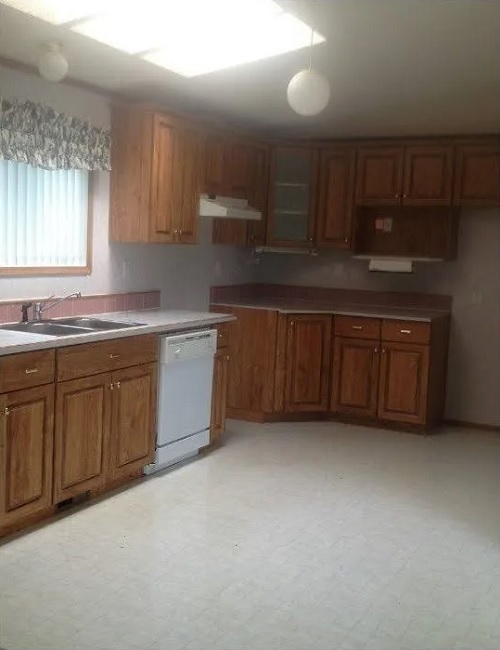
The first step does not have to be a promise to solve everything at once. It can be one honest conversation, one inspection, and one safe path back to a usable home.