When Should a Hoarder Look for Help? Signs
A stack of unopened mail or a crowded garage does not automatically mean someone needs a cleanup crew. But when should a hoarder look for help? The answer is usually when belongings are no longer just belongings – when they block safe living, strain relationships, create health risks, or make it impossible to maintain the home.
Hoarding conditions can develop gradually, often behind closed doors and alongside grief, depression, anxiety, trauma, physical limitations, or major life changes. Shame can make asking for help feel harder than the cleanup itself. The right response is not blame or pressure. It is a practical, respectful plan that protects the person, the property, and everyone who may need to enter it.
When Should a Hoarder Look for Help?
Professional help is appropriate when the condition of the home creates an immediate risk or has become too large, emotional, or physically demanding for the resident and family to manage alone. Waiting can turn a difficult situation into a property emergency, especially in Texas heat, where food waste, pests, odors, and moisture problems can worsen quickly.
A person may also need support before a deadline forces the issue. A lease renewal, code inspection, home sale, hospitalization, return from rehab, estate settlement, or planned renovation can bring hidden conditions into view. Starting early gives everyone more choices and reduces the chance of rushed decisions about personal belongings.
Seeking help does not mean surrendering control. A compassionate cleanup plan can preserve decision-making, identify items that need special handling, and establish a manageable pace when time allows. If there is an active health or safety hazard, however, the first priority must be making the space safe.
Safety Signs That Should Not Wait
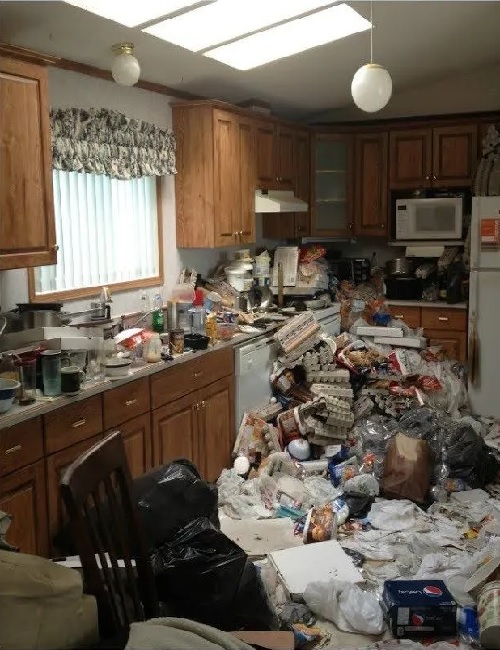
The clearest warning signs are those that make it unsafe to move through or live in the property. If exits, hallways, stairs, windows, or electrical panels are blocked, a fire, fall, or medical emergency can become far more dangerous. First responders may not be able to enter quickly, and residents may not be able to get out.
Other urgent concerns include unstable piles, damaged flooring, exposed wiring, overloaded outlets, nonworking plumbing, and appliances surrounded by combustible materials. A home can appear intact from the outside while carrying serious risks inside.
Call for immediate professional assistance when there is evidence of fire damage, flooding, sewage, mold, animal waste, insects, rodents, spoiled food, sharp objects, medication hazards, or biohazardous material. These conditions require more than hauling items away. They may call for protective equipment, containment, disinfection, odor treatment, pest coordination, structural repair, and safe disposal procedures.
If a person is trapped in a room, cannot reach a bathroom or kitchen, has fallen, or is in immediate danger, contact emergency services first. Cleanup can follow once the person is safe.
Health and Daily Living Warning Signs
A home should support daily life. Help is needed when it no longer does. That can look like sleeping in a chair because the bed is unusable, avoiding the kitchen because food preparation is impossible, or going without bathing because the bathroom cannot be accessed.
Respiratory symptoms, recurring infections, pest bites, strong odors, and worsening allergies can also signal an unhealthy environment. It is not always possible to identify the source of a smell or symptom by sight alone. Moisture behind piles, hidden food, animal contamination, or mold growth may be contributing factors.
Older adults and people with mobility challenges face added risk. Narrow pathways, uneven stacks, and cluttered bathrooms can lead to falls. For landlords, family members, and property managers, a resident’s inability to safely use essential areas of the home is a reason to act with urgency and care.
The Property May Be Asking for Help Too
Hoarding conditions can hide damage for months or years. Leaks may go unnoticed under stored materials. HVAC systems may be blocked or unable to circulate air correctly. Moisture can feed mold, while pests can damage insulation, wiring, cabinets, and drywall.
This is why a simple cleanout is not always enough. Once belongings are removed, the property may need a careful inspection for contamination, water damage, odors, surface damage, or structural concerns. The trade-off is straightforward: a smaller cleanup may cost less initially, but skipping remediation or repairs can leave behind conditions that continue to affect health, occupancy, and property value.
For a rental property or home being prepared for sale, fast cosmetic work can be tempting. Yet rushing without addressing odors, stains, contamination, or hidden damage can create problems during inspections or after move-in. A complete plan should account for cleanup, remediation, repairs, and reconstruction when necessary.
How Families Can Offer Help Without Making Things Worse
Family members often step in after a crisis, and their concern is valid. Still, sudden cleanouts, threats, or removing possessions without permission can increase distress and make future cooperation harder. Hoarding behavior is complex, and lasting progress may require mental health support in addition to property cleanup.
Start with concern for safety rather than criticism of the clutter. Be specific: “I am worried because the back door is blocked,” is more productive than “This house is out of control.” Ask what items feel essential, what areas the person wants to address first, and whether they would accept help from a professional team.
There are situations where collaboration is not possible, including a legal requirement, an unsafe property, an estate cleanout, or a resident who has been relocated for medical care. Even then, the work should be handled respectfully. Personal documents, photos, valuables, and sentimental items deserve a process for identification and review whenever practical.
What Professional Hoarding Cleanup Can Do
The right crew does more than remove bags and debris. It creates order in a situation that may involve sanitation hazards, damaged materials, difficult access, and a long list of decisions. Before work begins, the team should assess the property, explain the scope, identify urgent risks, and provide a clear estimate.
A well-managed project can include sorting and removal, donation or disposal coordination where appropriate, deep cleaning, disinfection, odor removal, pest-related sanitation, mold or water-damage remediation, and repair work after the space is cleared. Not every property needs every service. The scope should match the actual condition of the home, not a one-size-fits-all package.
For families who live out of town, estate representatives, or property managers, one accountable provider can prevent a difficult project from becoming a chain of separate calls. Renew Cleaning & Restoration can handle complex hoarding cleanup projects from inspection and removal through remediation, repair, and reconstruction when the property needs more than cleaning.
Asking for Help Is a Practical First Step
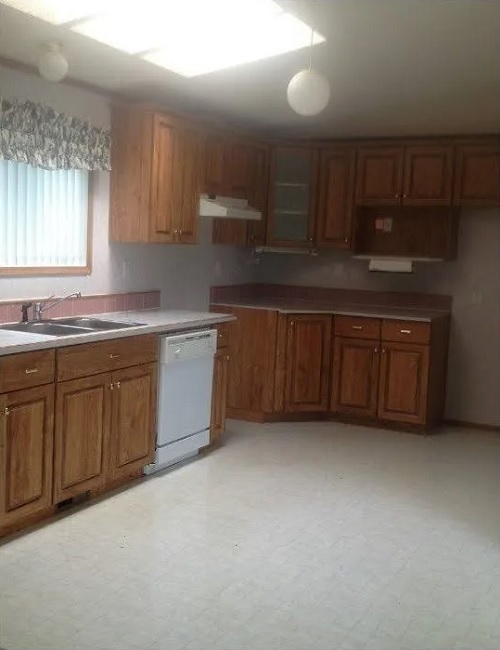
The best time to seek help is before a blocked doorway becomes a fire hazard, a hidden leak becomes major damage, or embarrassment keeps someone from getting medical care or welcoming family home. There is no need to wait for a perfect moment or a complete plan.
A calm conversation, an assessment, and one cleared pathway can be a meaningful start. With respectful support and the right level of professional help, a difficult space can become safe, usable, and ready for what comes next.