Trauma Cleanup Ratings: What They Really Tell You
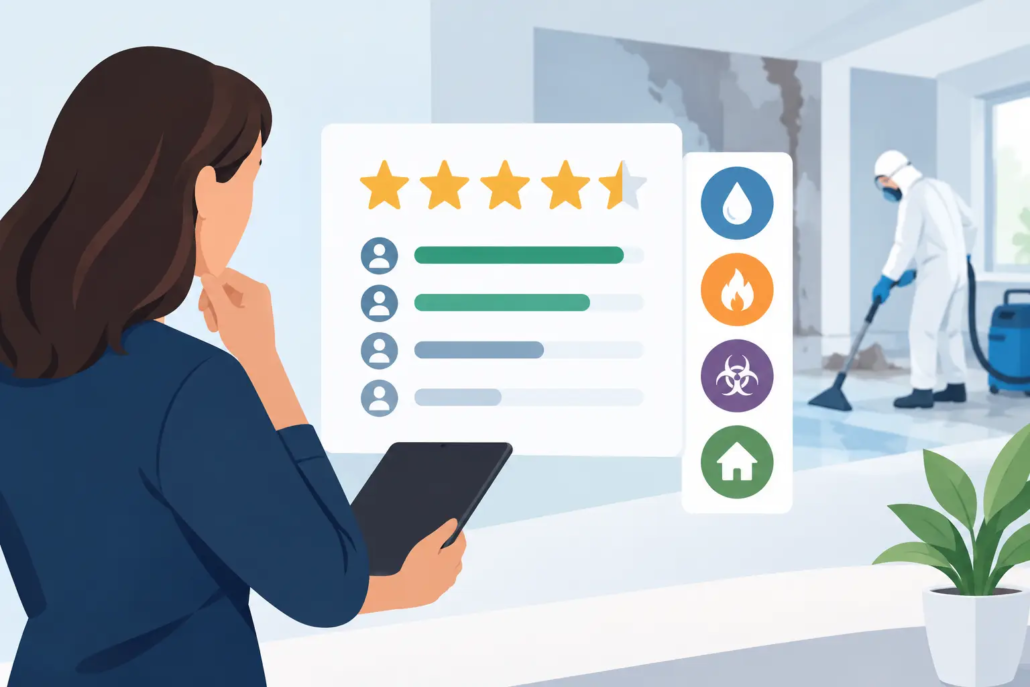
A five-star score may catch your eye when you need trauma cleanup, but the number alone cannot tell you whether a company can safely handle what is inside the property. Trauma cleanup ratings are most useful when you read beyond the average and look for evidence of discretion, trained work, prompt response, and follow-through after the scene is cleared.
For a homeowner, family member, landlord, or property manager, this is not a routine service decision. You may be dealing with a death, injury, unattended death, suicide, crime scene, or another situation involving blood or other biohazards. The right provider should reduce the burden on you, protect the property, and treat everyone involved with respect.
Why Trauma Cleanup Ratings Need Context
Online ratings can help narrow your choices, especially when time is limited. A consistent record of positive feedback often indicates that a company communicates well, shows up as promised, and leaves customers satisfied. Those are meaningful signs. Still, trauma and biohazard cleanup is a specialized service, and its quality cannot always be measured like standard house cleaning.
Many clients understandably avoid sharing details publicly after a traumatic event. That means a company may have fewer reviews for trauma-specific projects than for water damage, mold remediation, or commercial cleaning. A low volume of trauma-related feedback is not automatically a concern.
Instead, look at the company’s overall pattern. Are reviews recent? Do they mention responsiveness during an emergency, professionalism, careful work, clear estimates, or help navigating a difficult situation? Do property managers, adjusters, or repeat commercial clients describe reliable service? Those details can be more informative than a perfect score with little substance behind it.
What Strong Trauma Cleanup Reviews Usually Mention
The best reviews rarely focus only on the final appearance of a room. They describe how the company handled the entire experience. When comparing providers, pay close attention to whether customers mention the following qualities.
Compassion Without Intrusion
A trauma scene is personal. Review language such as “respectful,” “patient,” “kind,” or “discreet” can signal that technicians understand how to work around grieving families, tenants, neighbors, law enforcement, and property owners without making a difficult situation harder.
Professional compassion also means setting clear boundaries. A qualified crew should not pressure a family for unnecessary details or make promises they cannot keep. They should explain what needs to happen, answer practical questions, and allow clients space to make informed decisions.
Fast, Dependable Response
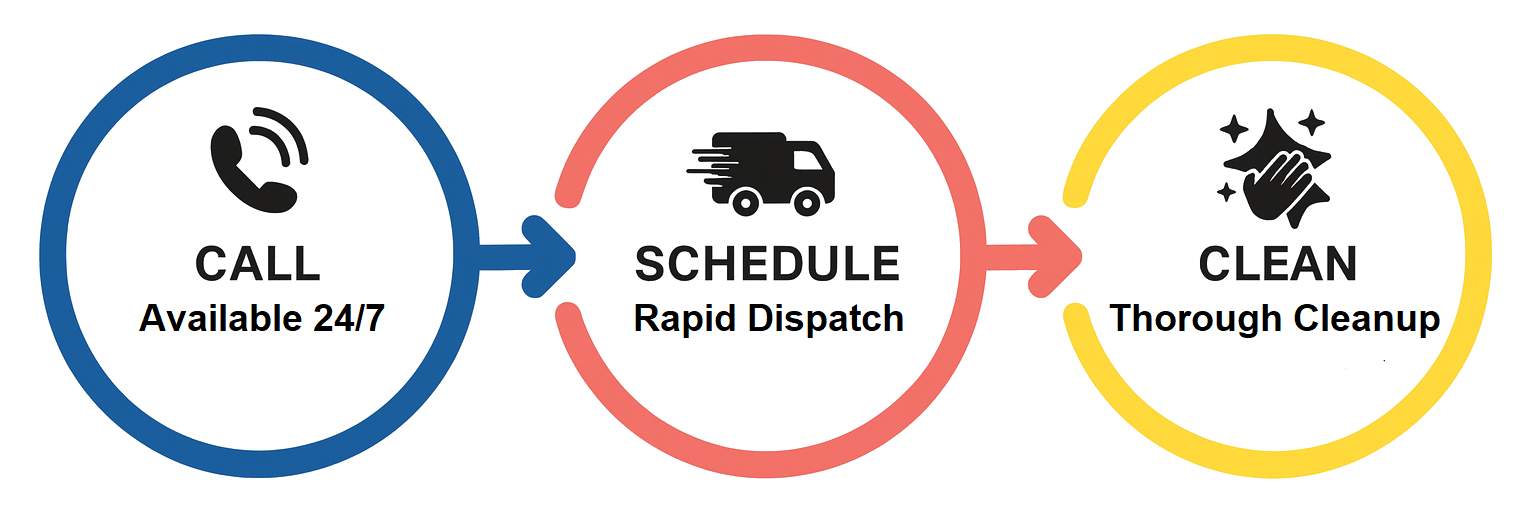
In many situations, waiting creates more damage. Biological material can soak into porous surfaces, create persistent odors, attract pests, and expose people to potential health risks. A review that specifically mentions a quick callback, after-hours availability, or an on-time arrival is valuable because response time affects both safety and restoration costs.
Speed should not mean rushing the work. The right team arrives prepared, assesses the affected areas, establishes appropriate containment, and follows a documented cleaning process. Fast response and careful remediation should work together.
Clear Communication About Scope and Cost
Trauma cleanup pricing varies because no two scenes are alike. The affected materials, length of time before discovery, size of the area, odor conditions, and needed repairs all influence the scope. Reviews that mention fair estimates, clear explanations, and no surprises are usually more useful than a generic comment that a company was “great.”
Be cautious if feedback repeatedly mentions vague invoices, poor communication, or pressure to approve work without understanding it. A professional provider should walk you through the immediate cleanup needs and identify what may require restoration, repairs, or reconstruction afterward.
Thorough Work Beyond Surface Cleaning
Blood and bodily fluids can travel farther than expected. They may reach baseboards, carpet padding, subflooring, furniture, drywall, HVAC components, or concealed areas beneath flooring. A room can look clean while contamination or odor remains below the surface.
Look for reviews that reference thoroughness, odor removal, restoration, or repairs. These comments suggest the provider did more than remove visible debris. They assessed the full extent of damage and addressed the conditions that could affect safe occupancy.
How to Read Trauma Cleanup Ratings More Carefully
Start with the average rating, then spend a few minutes reading the most recent reviews. Reviews from the last year are generally more relevant than feedback from many years ago, particularly if the company has changed ownership, staffing, or service offerings.
Look for specifics. A detailed review describing emergency response, careful cleanup, respectful technicians, and successful odor removal tends to carry more weight than a one-line review with no context. Also notice how the company responds to criticism. A calm, accountable response can be a positive sign. Defensive replies, blame shifting, or public arguments are not.
It also helps to compare ratings across more than one review platform, but do not expect every site to tell the same story. The goal is not to find a provider with no negative feedback at all. Even excellent companies encounter difficult jobs and occasional misunderstandings. The question is whether the overall record shows consistency, accountability, and care.
Questions Ratings Cannot Answer for You
Reviews are only one part of due diligence. Before authorizing work, ask direct questions about the job. A capable trauma cleanup company should be ready to explain its process in plain language.
Ask whether the crew is trained for biohazard remediation and whether it uses appropriate personal protective equipment, containment procedures, cleaning methods, and disposal practices. Ask how the company identifies affected porous materials and how it handles odor issues. If the property needs carpet removal, drywall replacement, flooring repair, painting, or larger reconstruction, ask whether those services can be coordinated through the same provider.
This last question matters more than many clients realize. Cleanup is often the first phase, not the entire project. Using separate companies for remediation, demolition, repairs, and rebuilding can create delays and gaps in responsibility. An end-to-end provider can manage the handoff from the initial inspection through cleanup, restoration, repair, and final reconstruction.
You should also ask about insurance documentation if a claim may be involved. A provider cannot guarantee what an insurer will cover, but organized estimates, photographs, itemized scope information, and responsive communication can make the process easier for property owners and adjusters.
A High Rating Should Never Replace Proper Credentials
A polished review profile is encouraging, but it should not be the deciding factor when health and property safety are at stake. Do not hire a company simply because it calls itself a crime scene cleaner or advertises a low price. The work requires appropriate training, equipment, protective protocols, and a clear understanding of how to remediate biological contamination.
Be especially careful with offers that sound too simple. A quick disinfectant spray, fragrance treatment, or basic carpet cleaning may not resolve the underlying problem. Depending on the circumstances, some materials may need to be removed and replaced. That can feel overwhelming, but identifying the real scope early helps prevent lingering odors, repeat work, and unsafe conditions later.
For Texas property owners, a provider with 24/7 availability and the ability to manage cleanup plus repairs can be especially helpful after an emergency. Renew Cleaning & Restoration approaches these projects as complete property recovery work, not just a cleaning appointment. That means clients have one accountable team to help move the property from hazardous conditions toward a clean, usable space.
When a Lower Rating May Still Deserve a Call
Ratings are not always a clean comparison. A specialized local company with a 4.6 rating and detailed, credible feedback may be a better fit than a large provider with a 5.0 rating based on only a handful of generic reviews. A lower score may reflect an isolated scheduling issue, a disagreement about an insurance claim, or a review unrelated to trauma cleanup.
Read the full picture. If concerns appear repeatedly, such as missed appointments, unfinished work, billing disputes, or poor communication, take them seriously. But if the feedback is mostly strong and the company answers your questions clearly, a conversation may be worthwhile.
The right trauma cleanup provider should give you more than a reassuring rating. They should give you a clear plan, a respectful crew, realistic expectations, and a path to restore the property without asking you to manage every detail during an already difficult time.