Choosing the Best Hoarding Cleaning Company in Dallas
A hoarding cleanup is rarely just about removing belongings. It may involve blocked exits, damaged flooring, animal waste, mold, insects, strong odors, or rooms that have not been safely accessible for years. When families search for the best hoarding cleaning company in Dallas, they need a team that can protect the person involved, stabilize the property, and handle the work without adding shame or confusion to an already difficult situation.
The right company brings more than labor and hauling. It brings a clear plan, trained technicians, proper safety controls, and the ability to restore the home after the contents are removed. That difference matters when a property must be made safe for a loved one, prepared for sale, returned to a tenant-ready condition, or restored after an estate transition.
What Makes a Hoarding Cleanup Company the Right Choice?
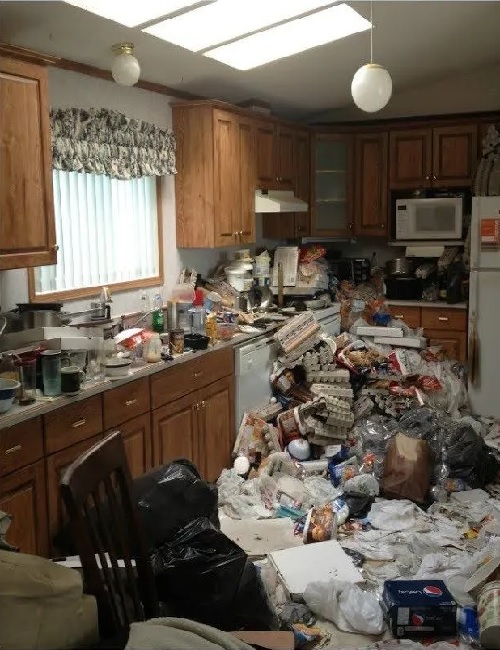
Hoarding conditions vary widely. One home may be crowded with papers, clothing, and household items but otherwise sanitary. Another may have structural damage, rodent activity, spoiled food, biohazards, or severe odor issues. A company should inspect the conditions before quoting a scope of work, not treat every project as a standard junk-removal job.
Look for a provider that can explain what it sees in plain language: which areas are unsafe, what can be cleaned, what materials may need to be removed, and what repairs could be needed once the space is cleared. A detailed assessment helps prevent surprise costs and gives the family, property manager, or estate representative a realistic path forward.
Compassion also belongs in the process. The person living in the home may feel overwhelmed, embarrassed, or afraid of losing meaningful possessions. A professional crew should work respectfully, avoid judgmental language, and follow agreed-upon instructions for items that need to be retained, documented, donated, or discarded.
The Best Hoarding Cleaning Company in Dallas Handles More Than Removal
A dumpster and a hauling crew can remove visible clutter, but that is only one part of many hoarding cleanouts. Once items are moved, hidden problems often become apparent: urine-stained subfloors, mold behind furniture, water damage beneath piles of belongings, contaminated carpeting, damaged drywall, or pest-related debris.
The strongest choice is a company that can manage the entire project under one accountable team. That means inspection, sorting support, removal, deep cleaning, disinfection, odor treatment, remediation, repairs, and reconstruction when necessary. Instead of coordinating a cleaner, a remediation company, a contractor, and separate disposal vendors, clients have one point of contact from the first walkthrough to the final restoration work.
This approach is especially valuable for landlords and real-estate professionals working against a deadline. Clearing a property is not enough if lingering odor, damaged finishes, or contamination prevents occupancy or delays a sale. A full-service restoration provider can identify what is needed to return the home to a safe, usable condition.
Safety Should Be Part of the Plan From Day One
Hoarding environments can create hazards that are easy to underestimate. Narrow paths can collapse or block exits. Stacked materials may conceal sharp objects, spoiled food, animal remains, needles, insect infestations, or moisture damage. Dust and debris can also aggravate respiratory conditions.
A qualified crew uses personal protective equipment and follows a controlled work process. They should create safe access routes, separate salvageable items from waste, use appropriate containment when contamination is present, and remove materials according to applicable disposal requirements. If mold, sewage, animal waste, decomposition, or other biohazards are discovered, the work may require specialized remediation rather than routine cleaning.
There is a practical trade-off here. The lowest estimate may cover basic hauling but exclude sanitation, odor removal, contamination cleanup, or repairs. Ask what is included in writing. A clear scope is more valuable than a vague promise to “clean everything,” particularly when the property has conditions that cannot be evaluated until rooms are opened up.
Questions to Ask Before You Hire
A brief conversation can reveal whether a company is equipped for a complex cleanup or simply offering general junk removal. Ask whether the team has experience with hoarding, biohazard, odor, mold, and pest-related conditions. Find out how they protect privacy, whether they can work with an estate representative or property manager, and how they handle personal documents, valuables, and sentimental items.
You should also ask who will manage the project if damage is discovered after removal. For example, if a bathroom floor is unsalvageable or a wall needs mold remediation, can the company complete that work? If not, you may be left finding another vendor while the property remains unusable.
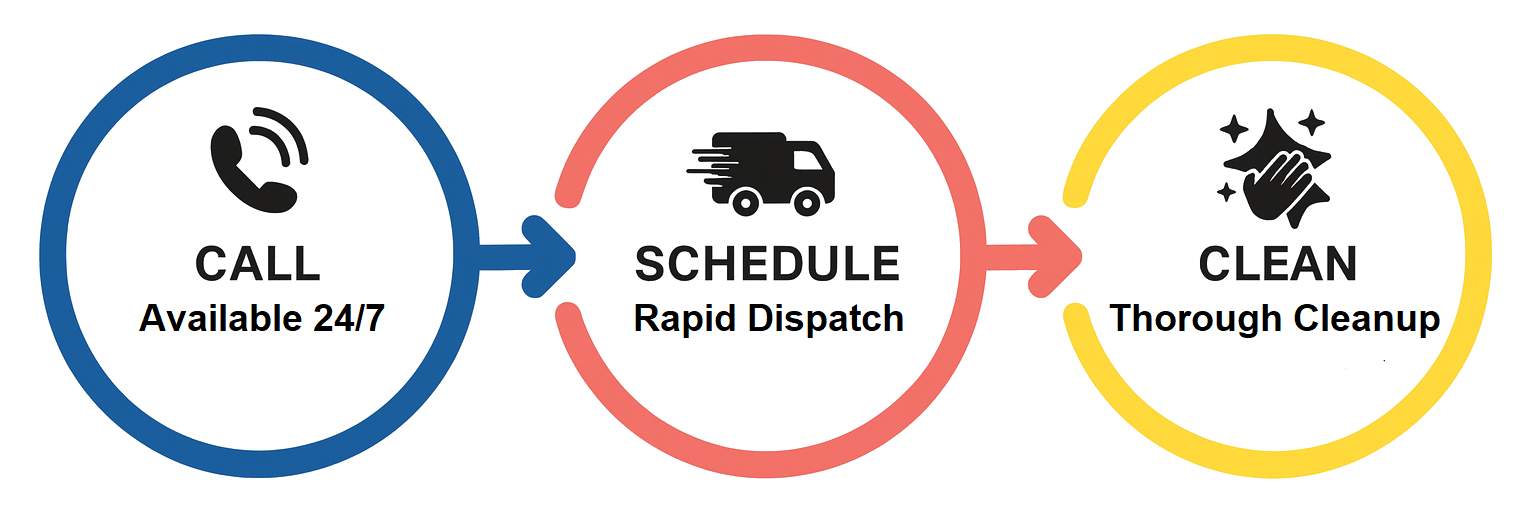
Availability matters, too. Some situations cannot wait, especially when a home has no safe pathways, a tenant move-out deadline is approaching, or a property has been cited for sanitation concerns. A provider with 24/7 emergency response can begin stabilizing urgent conditions quickly rather than leaving the family or owner to manage the risk alone.
A Respectful Cleanup Process Builds Trust
The best outcomes start with clear expectations. Before work begins, the client and cleanup team should agree on access, decision-makers, priority rooms, items to preserve, and how progress updates will be handled. In some cases, family members want to review belongings as they are sorted. In others, an estate representative needs photos or an inventory process for specific categories of property.
The process should move at a pace that matches the project. A vacant investment property may require fast clearance and restoration. An occupied home may need a phased approach that keeps essential living areas functional while the team addresses the highest-risk rooms first. Neither approach is automatically better. The right plan depends on safety, deadlines, the resident’s needs, and the condition of the property.
Discretion is equally important. Professional teams arrive prepared to work efficiently and respectfully, without turning a private situation into a spectacle. That includes careful communication with neighbors, tenants, family members, and other parties who may be involved.
Restoration Is Often the Step That Makes the Property Usable Again
After a thorough cleanout, many clients are relieved to see the space but uncertain about what comes next. Empty rooms can reveal how much the property has been affected. Carpeting may need removal, subfloors may need treatment, cabinets may be damaged, and odors may remain even after debris is gone.
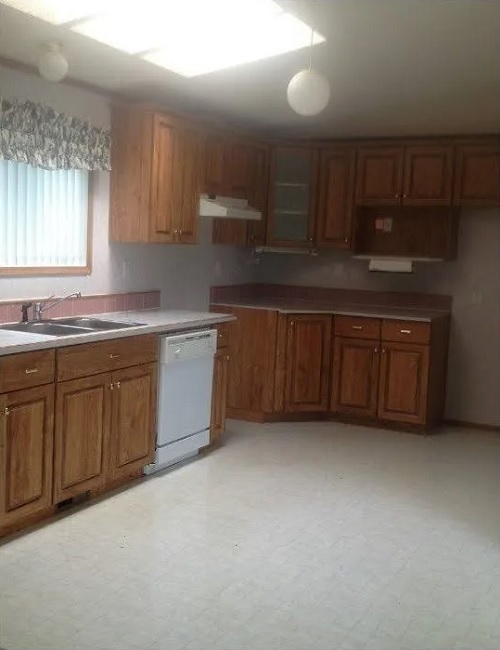
This is where an all-in-one restoration company provides real value. The same team can assess moisture or mold concerns, clean and disinfect affected surfaces, remove damaged materials, treat persistent odors, and coordinate repair or reconstruction. The goal is not just an empty building. It is a cleaner, safer property that can be lived in, leased, sold, or renovated with confidence.
Renew Cleaning & Restoration approaches hoarding cleanup with that full-project mindset. From the initial assessment through removal, sanitation, mitigation, repairs, and reconstruction, the focus is on reducing the burden for clients while treating every situation with care and respect.
When It Is Time to Make the Call
You do not need to wait until every decision is made before requesting help. If the property feels unsafe, inaccessible, unsanitary, or too overwhelming to address alone, a professional assessment can clarify the next step. Bring any known concerns to the walkthrough, including odors, animal waste, water damage, pests, mold, deadlines, or areas that have not been entered recently.
A good cleanup partner will give you a practical plan, a clear estimate, and room to make informed decisions. The first call is not about judging how the situation happened. It is about creating a safe, respectful way to move forward.