Help With Hoarding Starts With a Respectful Plan
A blocked hallway, an unusable bathroom, or a room filled floor to ceiling can turn a private struggle into an immediate property concern. Help with hoarding is not about judging the person who lives there. It is about creating a safe path forward for the resident, family, landlord, estate representative, or property manager who needs the home addressed with care.
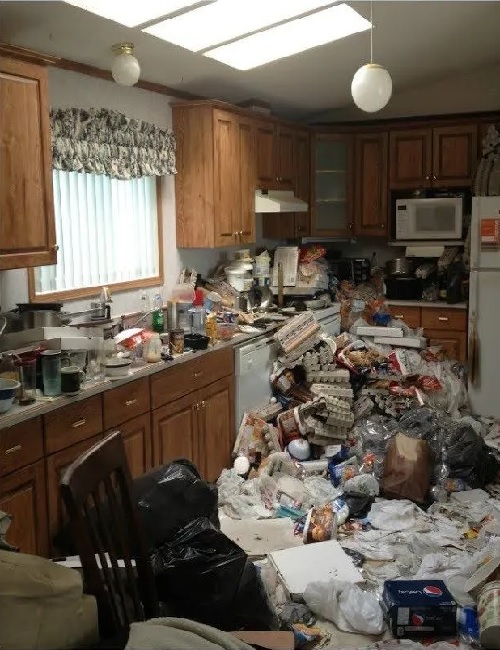
Hoarding conditions can range from difficult clutter to severe sanitation and structural hazards. The right response depends on what is inside the property, whether anyone is at risk, and what needs to happen after removal. A rushed cleanout can make an already emotional situation worse. A careful plan can protect valued belongings, reduce health risks, and restore a space that has become impossible to use.
When Help With Hoarding Is Needed Now
Some properties need professional attention because the volume of belongings is too large for a family cleanup day. Others require immediate action because the conditions create a health, fire, pest, or access hazard.
Call for professional assessment promptly when pathways, exits, stairs, electrical panels, or doors are blocked. The risk is especially high when a resident has limited mobility, uses medical equipment, or cannot safely leave the home in an emergency. Excess items near stoves, heaters, outlets, or extension cords can also increase fire danger.
Sanitation issues are another clear sign that the project needs trained help. Animal waste, spoiled food, standing water, mold, insects, rodents, strong odors, or bodily fluids can require specialized cleaning and remediation. These conditions may expose people to bacteria, airborne contaminants, sharp objects, or materials that should not be handled without proper protective equipment.
For landlords and property managers, timing matters as much as the cleanup itself. A unit may need to be made safe after a move-out, before an inspection, or ahead of a renovation and new tenancy. Estate representatives may face similar pressure when a property must be prepared for sale or transferred to family. In each case, the goal is more than emptying rooms. It is documenting conditions, clearing hazards, and determining what repairs or restoration work remain.
Start With Safety, Not a Dumpster
It can be tempting to order a dumpster and start carrying things out. That approach works for some straightforward cleanouts, but it is not always the safest or kindest first step. In a severe hoarding environment, piles may conceal damaged flooring, pest activity, mold, broken glass, medications, important paperwork, cash, jewelry, or family photos.
A professional walkthrough helps establish priorities before removal begins. The team can identify safe entry points, assess sanitation concerns, separate obvious hazards, and determine whether the property needs odor treatment, biohazard cleaning, mold remediation, demolition, or repairs. This avoids the common problem of discovering major damage only after a large cleanup is already underway.
If the resident is involved, set expectations before work starts. Decide which categories need to be retained, such as legal records, identification, financial documents, photographs, heirlooms, or medical items. It is rarely realistic to inspect every individual object in a heavily impacted home, but a defined sorting plan gives the process structure and reduces unnecessary distress.
Family members should also avoid making promises they cannot keep, such as saving everything or finishing the entire home in one weekend. A safer commitment is to proceed respectfully, protect agreed-upon categories, and focus first on areas that affect health and daily living.
What Professional Help With Hoarding Looks Like
A complete hoarding cleanup is a coordinated property recovery project, not simply a hauling service. The exact scope varies, but a capable team should be able to take ownership of the work from assessment through final cleaning and repair.
The first phase is inspection and planning. This includes evaluating the amount of material, access to the property, obvious hazards, disposal requirements, and the condition of floors, walls, cabinets, plumbing fixtures, HVAC components, and other building materials. The findings shape the estimate, staffing, equipment, timeline, and safety procedures.
Next comes sorting, removal, and disposal. Belongings identified for retention are handled according to the agreed plan, while trash, damaged materials, and unsalvageable contents are removed. Donation may be appropriate for clean, usable items, but it depends on their condition and local acceptance requirements. Not every item can be donated, and trying to donate contaminated or damaged goods can delay the project.
Once the contents are out, the actual condition of the property becomes visible. This is often when deeper cleaning begins: removing residues, treating odors, addressing pest-related contamination, disinfecting affected surfaces, and cleaning areas that have not been accessible for years. When contamination or damage is extensive, affected materials such as carpet, padding, drywall, insulation, or cabinets may need to be removed rather than cleaned.
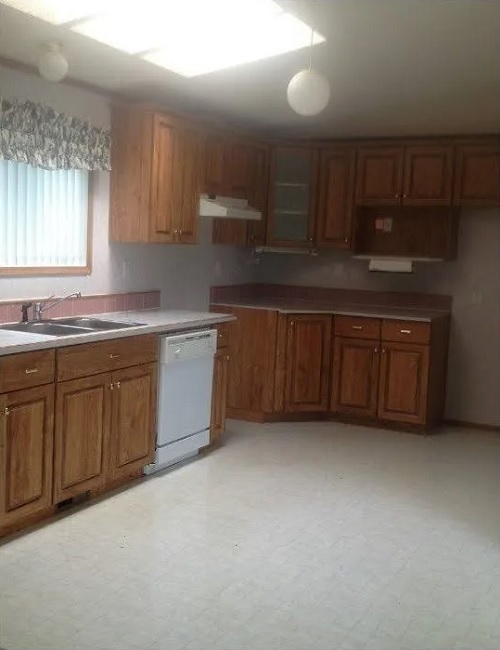
The final phase is restoration. A home may need repairs to subflooring, drywall, paint, plumbing fixtures, doors, or other components before it is ready for occupancy, sale, or rental. Working with one provider for cleanup, remediation, repair, and reconstruction can reduce handoffs and prevent a property from sitting unfinished while separate vendors are scheduled.
Respect and Discretion Are Part of the Work
Hoarding is often connected to grief, trauma, health challenges, isolation, or a major life change. A cleanup crew does not need to diagnose the cause to understand that the work is personal. Professional conduct means arriving prepared, communicating clearly, protecting privacy, and treating everyone at the property with basic dignity.
Discretion matters for families as well as residents. Neighbors may notice activity, but a trained crew should keep the project focused on the job rather than turning it into a spectacle. For commercial and multifamily properties, clear coordination with management helps protect access, schedules, and other occupants.
Compassion does not mean ignoring unsafe conditions. It means explaining the risks plainly and moving through the process without shame or pressure. In some situations, the resident may need support from family, a therapist, social worker, or medical professional alongside the cleanup. Property cleanup addresses the environment; lasting change may require a broader support system.
Questions to Ask Before Hiring a Cleanup Company
Not every cleaning company is equipped for a hoarding project. Before authorizing work, ask whether the provider can handle the full condition of the property, not just remove bags and furniture. You should understand who will assess hazards, what protective procedures are used, how disposal is managed, and whether the company can address odors, contamination, and hidden damage.
Also ask what happens after the removal is complete. If flooring is ruined, walls need repair, or mold is uncovered, will you need to find another contractor? A single-provider approach can be especially valuable when the property is under deadline or when the family cannot manage multiple crews.
Cost will depend on volume, access, labor, contamination, disposal, and restoration needs. Be cautious about estimates that are vague or unusually low without an inspection. A clear scope helps you compare proposals fairly and understand what is included. For insurance-related losses, documentation and communication can also be important.
Renew Cleaning & Restoration handles complex cleanup and restoration projects across Texas with a respectful, end-to-end approach. From the initial inspection through removal, specialized cleaning, repairs, and reconstruction, one accountable team can help move the property from unsafe conditions toward a usable space again.
The first step does not have to be a perfect plan or an empty house. It can simply be a confidential conversation about what is happening, what is urgent, and what it will take to make the property safe again.