The First Step in Getting Hoarding Help Safely
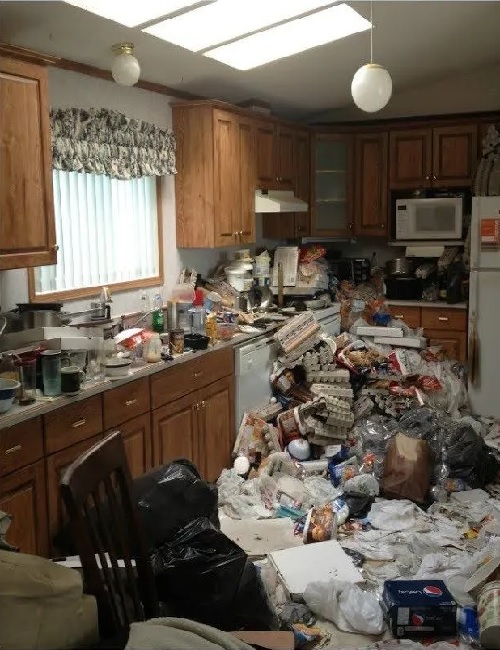
A home can become unsafe long before anyone feels ready to call it a hoarding situation. Pathways narrow, exits get blocked, pests appear, odors spread, or plumbing and electrical problems are hidden beneath belongings. The first step in getting hoarding help is not renting a dumpster or insisting that everything must go. It is taking a calm, honest look at immediate safety and deciding what support is needed next.
That approach matters because hoarding cleanup is rarely only about the contents of a room. It can involve a person’s well-being, family relationships, property damage, landlord requirements, estate responsibilities, and health hazards. Starting with safety helps everyone make clearer decisions without adding shame or unnecessary pressure.
The First Step in Getting Hoarding Help Is a Safety Check
Begin by identifying conditions that could cause harm now. You do not need to sort through every item or make a complete inventory. Walk only through areas that are safe to access and look for the issues that affect whether someone can remain in the property safely.
Ask straightforward questions. Can people move from bedrooms to an exterior door without climbing over items? Are the kitchen, bathroom, and sleeping areas usable? Is there running water and working electricity? Are smoke detectors accessible? Is there evidence of rodents, insects, animal waste, mold, spoiled food, standing water, or strong odors?
Also pay attention to structural concerns. Heavy stacks can fall. Moisture trapped under materials can damage floors and walls. Leaks may be missed for months. In severe cases, blocked vents, overloaded outlets, combustible materials near heat sources, and inaccessible exits create a fire risk that cannot wait for a gradual plan.
Take notes and, where appropriate, photos for your own records. This is not about documenting someone else’s private life for judgment. It is about understanding the scope of the property condition and being able to explain the concerns accurately to a cleanup professional, property manager, insurer, or family member.
When the Situation Is Urgent
Some conditions call for professional help immediately rather than a family-led cleanup attempt. Contact emergency services first if there is an active fire risk, gas smell, medical emergency, unsafe building condition, or a person who cannot safely enter or exit the home.
For serious sanitation concerns, a trained remediation team can assess the space without turning a difficult situation into a larger hazard. Biohazards, animal waste, decomposition odors, extensive mold, sewage backup, needles, pest infestations, and contaminated materials require proper protective equipment and disposal procedures. Moving contaminated items through a home without containment can spread the problem into clean areas.
A professional inspection can also reveal damage that is not obvious at first glance, including moisture intrusion, subfloor damage, mold growth, damaged drywall, and odor sources. Cleanup is only part of the job when the property needs repairs to become safe and livable again.
Start the Conversation Without Making It a Confrontation
If the person living in the home is able to participate, their dignity and voice should shape the plan. A forced, surprise cleanout can create deep distress and may make future help harder to accept. Even when the home is clearly unsafe, the conversation is more productive when it focuses on specific conditions rather than labels or blame.
Instead of saying, “You have to get rid of all this,” try naming the practical concern: “I am worried that the front door is blocked if there is an emergency,” or “I want to help make sure the bathroom is usable.” One immediate goal is often enough to begin. Clearing a path, restoring one bathroom, addressing spoiled food, or making an entrance accessible can create meaningful progress.
It depends on the circumstances, of course. If an adult has decision-making capacity and no immediate danger exists, cooperation is usually the best foundation for a lasting plan. If children, vulnerable adults, tenants, neighbors, or shared property are affected, there may be additional safety and legal responsibilities. Landlords, estate representatives, and family members should avoid making assumptions about authority before removing belongings. When ownership or consent is unclear, get appropriate guidance first.
Compassion does not mean ignoring dangerous conditions. It means addressing them in a way that is respectful, private, and as calm as possible.
Why a Professional Assessment Comes Before a Major Cleanup
A large hoarding cleanup can involve far more than labor and hauling. There may be sharps hidden in bags, unstable piles, damaged flooring, pest activity, contaminated materials, or belongings with financial and personal value. A professional team can determine what equipment, containment, disposal, cleaning, odor treatment, and restoration work the property actually needs.
The assessment should establish practical priorities: safe access, sanitation, item sorting, removal, deep cleaning, and repairs. It should also identify which materials need special handling. Household trash is one category. Electronics, chemicals, medications, appliances, biological contamination, and damaged construction materials may need a different process.
This is where an all-in-one provider can reduce stress. Rather than coordinating one company for removal, another for cleaning, and another for repairs, property owners can work from one project plan. Renew Cleaning & Restoration can handle inspection, sorting support, removal, detailed cleaning, remediation, odor treatment, repairs, and reconstruction when the condition of the home requires it.
For a family member, property manager, or estate representative, that single point of accountability is especially valuable. You receive a clearer picture of the project, fewer handoffs, and a plan for restoring the property instead of simply emptying it.
What to Share During an Estimate
A private estimate is more useful when the cleanup team understands the full picture. Explain whether anyone is currently living in the home, whether paths and exits are accessible, and whether there are known sanitation or property-damage concerns. Mention deadlines such as a move-out date, home sale, inspection, insurance claim, lease issue, or estate closing.
It also helps to say what must be protected. Some projects involve documents, photographs, jewelry, legal papers, family heirlooms, or items that may have resale value. A careful crew can build sorting instructions into the work plan, but they need those instructions before removal begins.
Be candid about hazards. It may feel uncomfortable to mention pests, odors, animal waste, mold, or bodily fluids, but this information allows the team to arrive prepared and price the work appropriately. Honest details protect the occupants, the crew, and the final result.
Avoid the Common Mistake of Starting Too Big
The urge to solve everything in a single weekend is understandable. It can also lead to injury, arguments, lost valuables, and exhaustion before the work is complete. Large piles may be unstable, and hidden contamination can make ordinary gloves and trash bags inadequate.
A staged plan is often safer. First address immediate life-safety concerns and sanitation. Next, establish usable living areas and access routes. Then move into broader sorting, removal, cleaning, repairs, and restoration. This sequence may feel slower than a fast cleanout, but it reduces rework and makes it easier to protect important belongings.
There are situations where speed is necessary, such as a condemned property, an insurance-related loss, a pending real-estate closing, or conditions that make occupancy unsafe. Even then, speed should come from having an experienced crew and a clear scope, not from rushing untrained people into hazardous conditions.
Prepare for Progress, Not Perfection
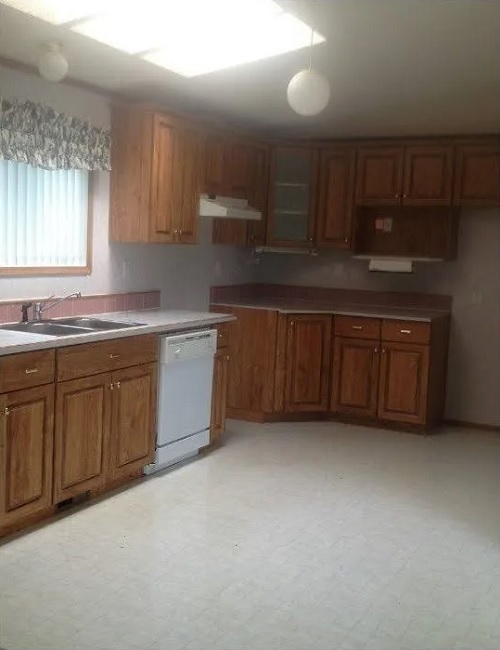
Hoarding conditions can develop over years, and restoring a property may take more than one visit. The goal of the first conversation and assessment is not to promise an instant transformation. It is to create a safe next move.
Choose one person to communicate with the cleanup provider when possible. Keep decisions focused on the immediate project goals. Make arrangements for occupants, pets, access, and valuables before work begins. If the property has an insurance claim or a landlord involved, preserve records and communicate early so the cleanup process does not create confusion later.
Most of all, remember that asking for help is not a failure. It is a practical response to a situation that has become too large, too unsafe, or too emotionally difficult to manage alone. A respectful safety check today can open the door to a cleaner home, necessary repairs, and a more manageable path forward tomorrow.