What a Hoarding Cleanup Example Looks Like
A hoarding cleanup example is rarely as simple as hauling away unwanted items. A property may have blocked exits, unstable piles, damaged flooring, pests, animal waste, mold, spoiled food, or odors that have traveled through the home. Just as important, the person affected and their family may be carrying grief, shame, conflict, or years of difficult decisions.
The right cleanup plan protects the property, but it also protects the people involved. Here is what a realistic, respectful project can look like when a home needs more than ordinary cleaning.
A Hoarding Cleanup Example From First Call to Finished Home
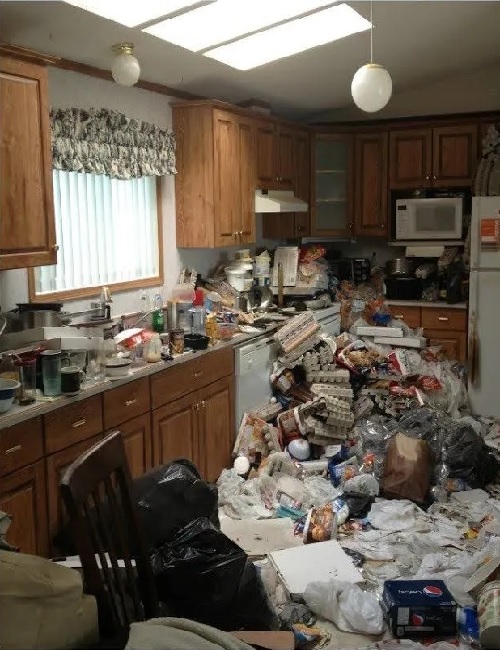
Consider a family preparing a relative’s home for safe occupancy after a hospital stay. The home has accumulated years of newspapers, clothing, boxes, kitchen items, and unopened mail. Hallways are narrowed to a single path. The refrigerator contains spoiled food, and one bathroom cannot be used. Family members have removed a few bags themselves but realize the job is larger, more emotional, and potentially less safe than they expected.
A professional crew does not begin by sending a large dumpster to the driveway and emptying the house. The first step is an assessment. The team looks at access points, the condition of floors and stairs, visible contamination, pest activity, water damage, and whether utilities are working. They also ask practical questions: Is the homeowner participating in decisions? Are there documents, heirlooms, medications, firearms, cash, or items that must be set aside? Is the goal to make the home livable, prepare it for sale, or complete repairs after cleanup?
Those answers shape the scope, schedule, safety measures, and estimate. They also prevent a common and painful mistake: disposing of meaningful items because no plan existed for sorting them.
Step 1: Make the Property Safe to Enter and Work In
Before sorting begins, crews establish clear pathways and identify immediate hazards. In severe conditions, this can mean addressing biohazards, rodent droppings, animal waste, spoiled food, sharps, or structural concerns before anyone spends hours working inside.
Workers use appropriate personal protective equipment and follow containment practices when contamination, mold, or airborne dust is present. If a pile is unstable or has damaged a section of flooring, it may need to be removed in a controlled order rather than pulled apart quickly. Safety comes before speed, although an experienced crew can move efficiently once the plan is in place.
For the family in this example, the team first clears a safe route from the front door to the bathroom, kitchen, and bedrooms. This gives everyone a usable path and allows the crew to reach areas that need deeper cleaning.
Step 2: Sort With Clear Rules, Not Guesswork
Sorting is where a hoarding cleanup project often slows down. Every item does not need a long discussion, but decisions should be made using agreed-upon categories. Items may be designated for keeping, donation, recycling, secure disposal, shredding, or disposal.
The family may ask the crew to save all photographs, legal papers, financial records, military documents, jewelry, and items from a specific relative. A separate area can be used for these finds. When conditions permit, belongings that can be safely recovered are cleaned and packed for the owner or family.
There is a balance here. Sorting every individual object can stretch a one-day project into weeks, especially when the property must be made safe quickly. On the other hand, moving too fast can create lasting regret. A good provider helps set reasonable boundaries, documents the agreed process, and keeps the client informed as the project moves from room to room.
What Gets Removed During Hoarding Cleanup?
In this hoarding cleanup example, the crew removes clearly unsalvageable material first: spoiled food, heavily soiled textiles, damaged cardboard, broken furniture, empty containers, and items affected by pests or moisture. These materials can hold odors, bacteria, allergens, and insects, even if the house looks better after the visible piles are gone.
Certain items require special handling. Electronics, paint, chemicals, batteries, sharps, medications, and documents with personal information should not be mixed into general debris. If the home contains biohazardous material or evidence of animal infestation, the work may require specialized remediation rather than standard cleaning.
Removal is only one part of the job. Debris must be loaded, transported, and disposed of properly. Clients should not be left with filled bags, a packed garage, or a cleanup site that simply shifts the problem from inside the house to the curb.
Cleaning Begins After the Contents Are Gone
Once rooms are accessible, the property’s actual condition becomes visible. Under piles, crews may find stained carpet, damaged baseboards, water leaks, mold growth, insect activity, or areas where flooring has deteriorated. This is why a cleanup estimate sometimes needs to account for discoveries that cannot be seen during the initial walkthrough.
The next phase may include detailed cleaning and sanitation of hard surfaces, appliance cleaning, bathroom disinfection, odor treatment, carpet removal, and cleaning of cabinets, walls, and fixtures. Odor control is especially important. Fragrance products can temporarily cover an odor, but they do not remove the source. If odor-causing material has penetrated carpet padding, subflooring, drywall, or HVAC components, those areas may need cleaning, treatment, or removal.
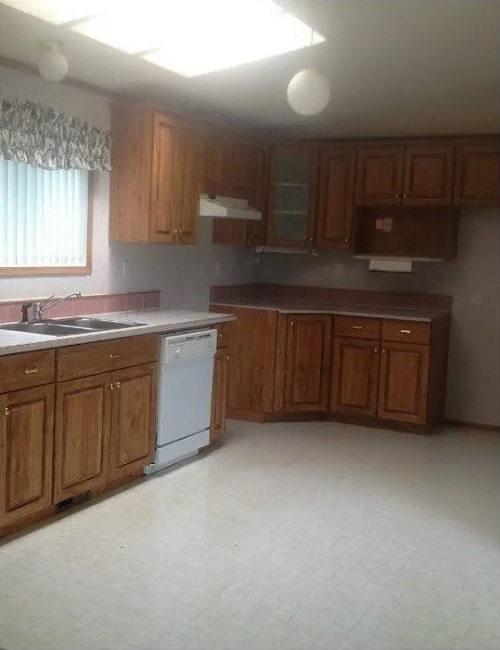
In the example home, the refrigerator is emptied and sanitized, unusable carpeting is removed, and the bathroom is disinfected. The crew also identifies a slow plumbing leak behind a vanity that had gone unnoticed because of stored items.
Cleanup May Lead to Repairs and Restoration
A home does not always need reconstruction after hoarding cleanup. Some properties need only removal, detailed cleaning, and odor control. Others need minor repairs before the space is safe and functional. More extensive cases may involve drywall replacement, flooring installation, plumbing repair, mold remediation, painting, or reconstruction of damaged rooms.
This is where working with one accountable provider can reduce stress. Instead of coordinating a cleanup company, a remediation company, a flooring installer, and a contractor, the client can have one team manage the project from inspection through final repairs. Renew Cleaning & Restoration handles this kind of end-to-end work, so clients can move from unsafe conditions to a clean, repaired property without restarting the process with each new vendor.
For a landlord or estate representative, this approach can also shorten the time between cleanup and listing, leasing, or turnover. For a homeowner returning to the property, it means the work is focused on making the home usable, not simply making it look empty.
Respect Is Part of the Cleanup Process
Hoarding conditions are often misunderstood as a housekeeping failure. That assumption does not help the homeowner, family, or property. Cleanup professionals should avoid judgmental language, protect privacy, and keep unnecessary people out of the work area.
Discretion matters in neighborhoods, multifamily properties, and workplaces. Crews can plan staging and removal to limit disruption when possible. They should also communicate plainly about what is happening, what has been found, and what decisions the client needs to make next.
For families, it helps to appoint one decision-maker. Too many voices can make every box a debate and stall progress. If the homeowner is able and wants to participate, give them choices that are manageable: identify the items that matter most, choose a small keep area, and agree on what can be removed without review.
When to Call for Professional Hoarding Cleanup
Professional help is usually warranted when exits are blocked, pests or contamination are present, rooms cannot be used, odors persist, debris has become physically difficult to move, or the property needs repairs after clearing. It is also the right call when family members are overwhelmed or when a fast, documented turnover is needed for a rental, estate, or sale.
Do not wait for a perfect plan before asking for an assessment. A clear walkthrough can turn an intimidating situation into a sequence of workable decisions: make access safe, protect valuables, remove hazardous material, clean thoroughly, and repair what the property needs.
A cleaned-out home is not the end of a difficult chapter for everyone involved. It can be the first practical step toward a safer living space, a respectful property transition, and room to move forward.