Why Pick Renew Cleaning for Property Recovery?
A burst pipe at 2 a.m., smoke damage after a kitchen fire, or a property that must be cleared after a difficult loss does not leave room for a long vendor search. If you are asking why pick Renew Cleaning, the practical answer is simple: one experienced team can take responsibility for the situation from the first inspection through cleanup, restoration, repairs, and reconstruction.
That matters because damage rarely stays in one category. Water can reach flooring, walls, insulation, and personal belongings. A fire can leave soot, odors, and structural repairs behind. A biohazard or hoarding situation may require specialized cleaning, safe removal, odor control, and a respectful plan for returning the property to usable condition. Coordinating separate companies for each phase can delay recovery and leave too much room for confusion.
Renew Cleaning & Restoration is built to handle the full scope of the job, with a calm, direct approach when the property and the people involved need both.
Why Pick Renew Cleaning Instead of Multiple Vendors?
Hiring different providers may appear to give you more options, but it can also create more handoffs. One company may extract water, another may handle mold, and a third may repair drywall or rebuild the damaged area. Each handoff can mean another estimate, another schedule, and another explanation of what happened.
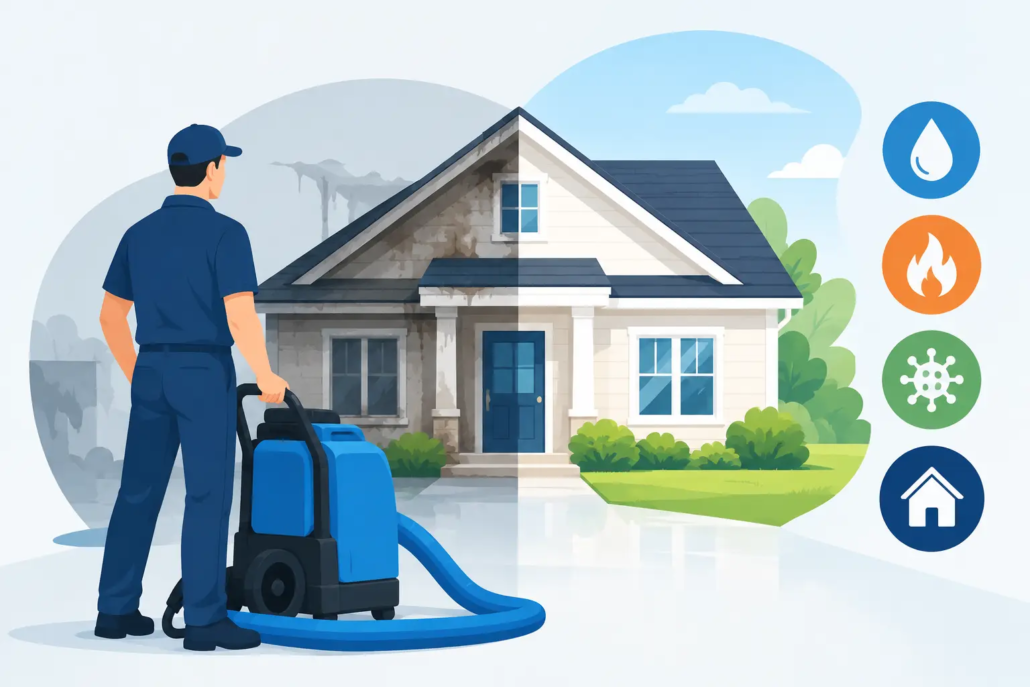
With an end-to-end provider, the work is viewed as one recovery plan. The team can assess the damage, identify immediate health or safety concerns, remove affected materials when necessary, clean and mitigate the source of damage, and move into repairs or reconstruction. You have a clearer point of contact and fewer moving pieces to manage while trying to protect your home, business, tenants, customers, or family.
This model is especially valuable when the scope changes after work begins. Hidden moisture may be found behind a wall. Smoke may have traveled farther than expected. A cleanup project may reveal repairs that need attention before the space can be occupied. Rather than sending you back to the beginning to locate another contractor, the same accountable team can help move the next phase forward.
Emergency Response When Time Changes the Damage
In restoration work, fast action is not just a convenience. It can limit the extent of the loss. Standing water can continue to travel through porous materials. Mold can develop in damp conditions. Lingering soot and smoke odors can become harder to address when they are allowed to remain. Contaminated materials require prompt, careful handling to protect anyone entering the space.
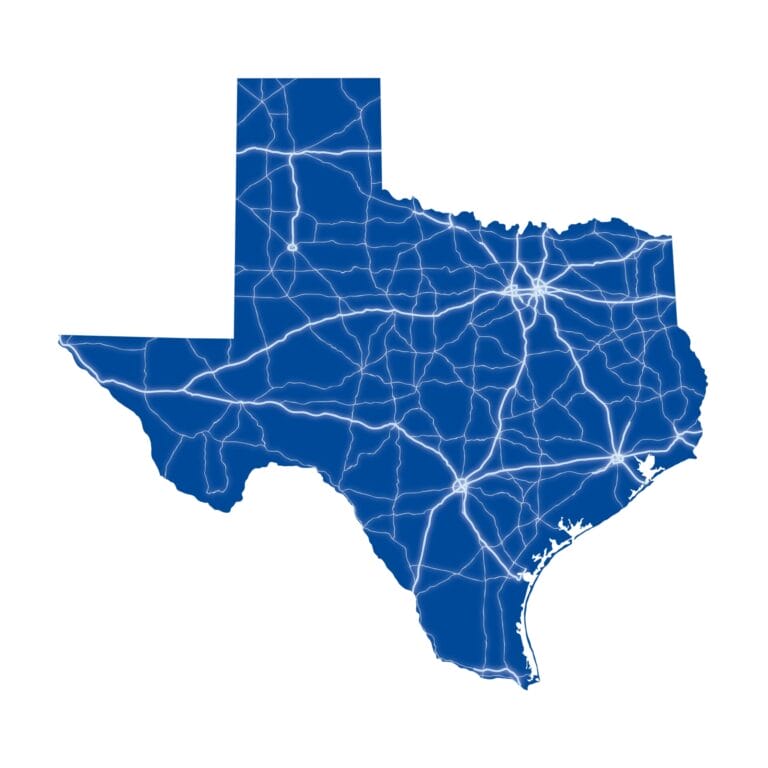
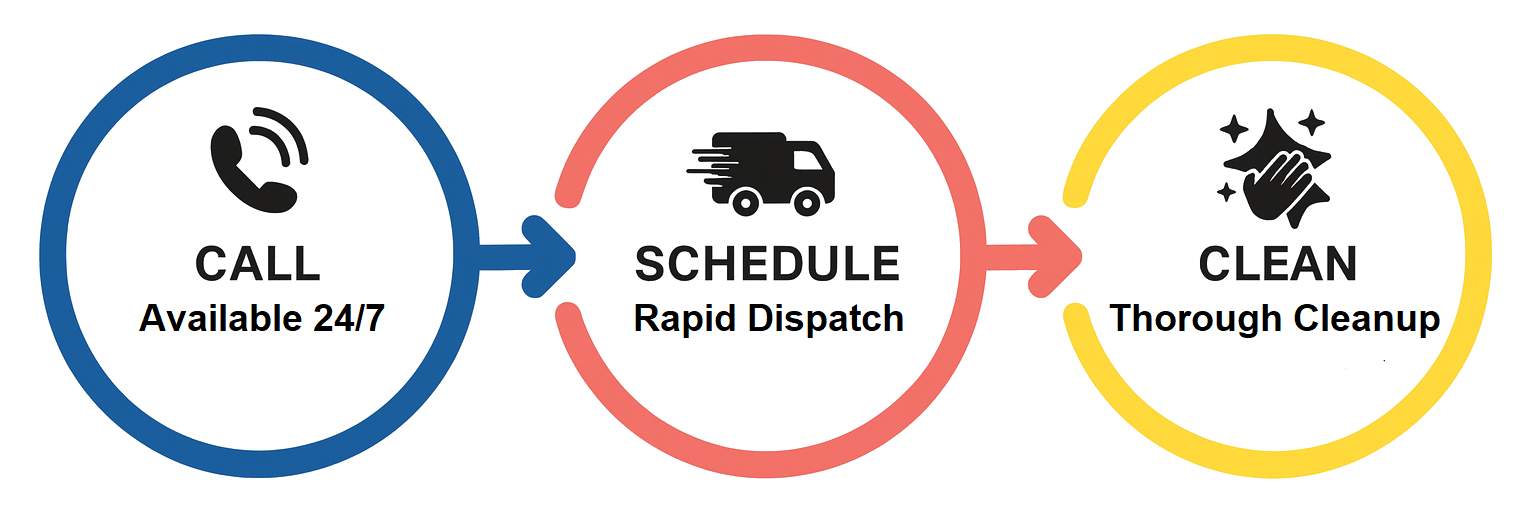
Renew is available 24/7/365 for emergencies throughout Texas. That availability is designed for the moments when waiting until regular business hours is not realistic. A homeowner with an active leak, a property manager dealing with a flooded unit, or a business facing a sanitation issue needs a response plan now, not a callback days later.
Speed should not mean rushed decisions. The right first steps depend on the type of loss, the affected materials, the source of the problem, and whether the property is safe to enter. A trained team can prioritize stabilization, document visible conditions, and explain what needs to happen next in plain language.
Specialized Work Requires More Than Surface Cleaning
Not every serious property problem can be solved with standard cleaning supplies or a general repair crew. Mold, sewage backups, trauma scenes, decomposition, animal waste, infection-control needs, and hoarding conditions can involve health risks and materials that require professional removal and disposal.
These situations also call for discretion. Families may be dealing with grief, landlords may need to protect tenant privacy, and business owners may need to keep an incident from disrupting more operations than necessary. The work must be thorough, but the people involved should never feel judged or pushed aside.
Renew handles specialized remediation with trained professionals, appropriate protective practices, and respect for the circumstances. The goal is not simply to make a space look better. It is to remove affected materials when needed, address contamination or odor at its source, and help make the property safe and usable again.
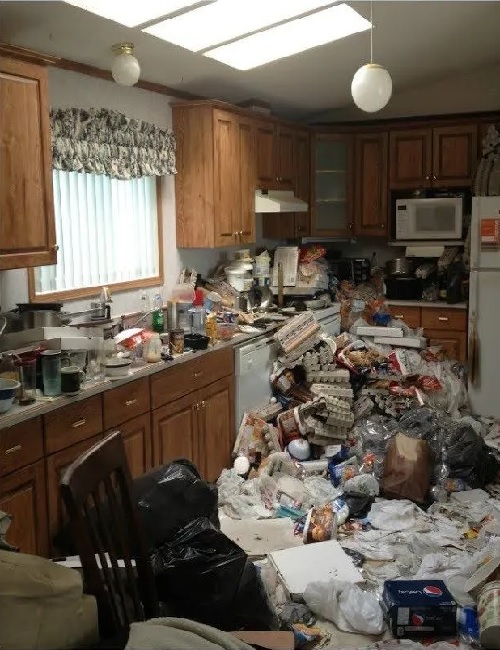
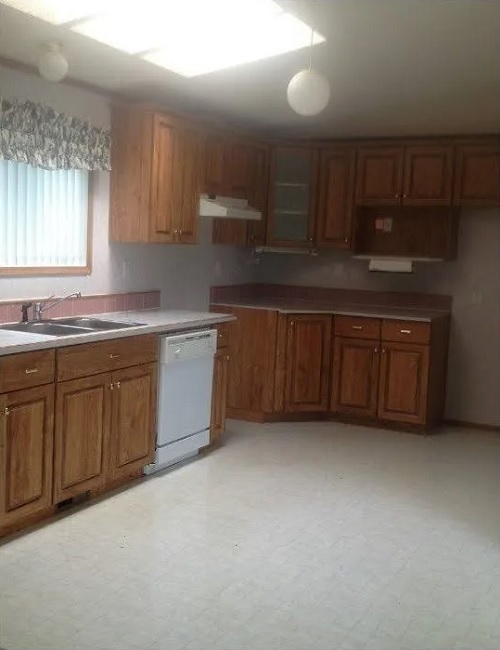
For hoarding cleanup, that may mean working carefully through a heavily cluttered home, separating what can be retained from what must be removed, cleaning the affected areas, and preparing the property for repair or sale. For a trauma or biohazard scene, it means taking on work that families should not have to face themselves. For commercial facilities, it can mean providing infection-control cleaning or sanitation services with minimal disruption to daily operations.
Clear Scope, Competitive Estimates, and Real Accountability
Property emergencies are stressful enough without vague pricing or uncertainty about who is responsible for the next step. A useful estimate should reflect the actual condition of the property and the work required to restore it, not just a quick visual impression of the surface damage.
Renew provides inspections and estimates, with a commitment to meet or beat comparable competitor estimates. Cost will always depend on the scope. A small contained water loss is different from a flood that affects several rooms, and a cleaning-only project is different from one involving demolition, remediation, repairs, and reconstruction. The important point is that you should understand what is being proposed and why.
An all-in-one provider also makes accountability easier. When cleanup, mitigation, repair, and reconstruction are connected, there is less opportunity for one vendor to blame another for delays or unresolved conditions. The team managing the project has a direct interest in seeing the property through to the final stage.
That does not mean every job requires complete reconstruction. Sometimes the correct solution is focused cleaning, drying, odor removal, or limited repair. A capable restoration company should recommend the work the situation calls for, not turn a contained problem into an unnecessary major project.
Built for Homes, Businesses, and Complex Properties
The needs of a homeowner are not identical to those of an apartment community, medical facility, retail location, office, or public property. Still, they all need dependable communication, a safe work area, and a clear path back to normal use.
For homeowners and families, the priority may be protecting the home, preserving what can be saved, and making a difficult situation manageable. For landlords and property managers, it may be turning a unit quickly while documenting conditions and coordinating repairs. For commercial clients, the focus may be limiting downtime, protecting occupants, and keeping operations moving wherever possible.
Renew’s statewide Texas coverage supports clients who manage properties across more than one city or region. That is particularly helpful for real estate professionals, estate representatives, insurance adjusters, contractors, and property management teams who need a responsive vendor they can call when conditions are urgent or the project is unusually complex.
From Immediate Cleanup to a Finished Space
The difference between mitigation and restoration is easy to miss when you are standing in a damaged room. Mitigation is the urgent work that stops or limits further harm, such as water extraction, controlled demolition, drying, containment, or removing contaminated materials. Restoration is the work that returns the property to condition, including cleaning, repairs, and reconstruction.
Both stages matter. A property can be dry but still not be livable. It can be cleaned but still need damaged drywall, flooring, cabinets, or structural elements repaired. Handling both helps avoid the frustrating gap between “the emergency is over” and “the property is actually ready.”
If your property has been disrupted by water, fire, mold, contamination, odors, or an overwhelming cleanup need, you do not have to sort out every phase alone. The most helpful next step is to get a professional assessment, ask clear questions about the scope, and choose a team prepared to stay with the job until the space can move forward.