Step One of Hoard Remediation Starts With Safety
A trash bag is not step one of hoard remediation. The first step is a careful safety assessment of the property, the people involved, and the conditions that may be hidden behind accumulated belongings. Starting with removal can create injuries, spread contaminants, damage important documents, and make an already difficult situation feel more overwhelming.
For a homeowner, family member, landlord, estate representative, or property manager, that assessment creates a clear path forward. It identifies what needs immediate attention, what can wait, and whether the project requires specialized remediation, repairs, or reconstruction after the space is cleared.
Step One of Hoard Remediation: A Safety Assessment
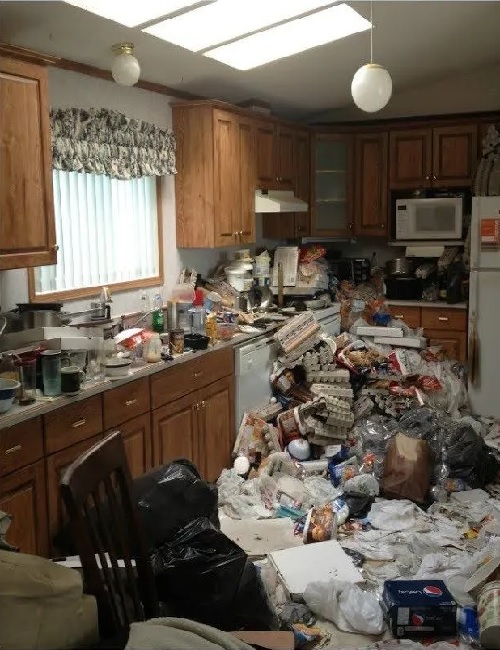
Hoarding conditions vary widely. One home may have excessive household items but safe walking paths and working utilities. Another may contain blocked exits, unstable stacks, animal waste, spoiled food, mold, insects, rodent activity, sharps, or structural damage concealed by contents. Treating both situations the same is a mistake.
A professional assessment begins without judgment. The goal is not to criticize the person who lived in the space or make assumptions about why the condition developed. The goal is to understand the environment and create a safe, respectful plan for restoring it.
During an initial walk-through, a remediation team looks for immediate hazards such as blocked doors and stairs, fire risks, compromised floors, leaks, electrical concerns, odors, biohazard exposure, and signs of pests or mold. They also evaluate whether the property can be entered safely and whether protective equipment, containment, or specialized disposal will be needed.
This is where a trained team earns its value. What appears to be ordinary clutter can hide wet materials, deteriorated flooring, animal remains, medication, chemicals, or damaged wiring. Moving items before assessing those risks may expose family members, maintenance staff, or volunteers to hazards they are not equipped to handle.
Safety Comes Before Sorting
Many people want to begin by organizing items into keep, donate, and discard piles. That may become part of the process, but it is not always the right starting point. If pathways are unsafe or there is contamination, sorting must wait until the work area can be stabilized.
The first practical priority is access. Teams need a safe way in and out of the property, clear routes for moving materials, and a plan for protecting unaffected rooms. If a home has only one usable entrance, blocked windows, or a narrow hallway filled floor to ceiling, the cleanup plan needs to account for emergency egress before major removal begins.
The assessment also determines whether certain rooms should be isolated. A bathroom with sewage backup, a kitchen with spoiled food, or a room affected by animal waste may require separate handling from dry household contents. Separating clean and contaminated areas helps prevent odors, bacteria, and debris from spreading through the property.
In some cases, the safest first action is not removal at all. It may be shutting off a leaking water line, addressing an electrical issue, arranging pest treatment, or stabilizing a damaged floor. Every project depends on the property condition. A responsible plan adjusts to the actual risks instead of forcing a one-size-fits-all cleanup sequence.
Consent, Communication, and Important Property
Hoard remediation involves more than physical cleanup. Belongings may have financial, sentimental, legal, or personal value, even when a room appears overwhelmed. Clear communication protects the client and helps the team work with confidence.
Before work begins, establish who has authority to make decisions about the property and its contents. For an owner-occupied home, that may be the homeowner. For a rental, estate, or commercial property, it may involve a landlord, executor, family representative, attorney, or property manager. When ownership is unclear, decisions about removal should not be rushed.
A thoughtful team will also discuss items that need special attention. Family photographs, financial records, identification, medications, firearms, heirlooms, jewelry, cash, and legal documents are common examples. These items can be set aside for client review when conditions allow. If the property contains suspected illegal materials, weapons, or evidence related to a crime, the appropriate authorities should be contacted rather than attempting to handle them independently.
For families, this conversation can be emotionally charged. The person connected to the property may feel embarrassed, fearful, or pressured. A calm process matters. Set realistic expectations, explain why safety procedures are necessary, and avoid promising that every item can be recovered in every circumstance. Materials affected by mold, sewage, pests, or severe decomposition may not be salvageable, but that determination should be made carefully.
Building a Work Plan That Fits the Property
Once the assessment is complete, the cleanup can be planned in phases. A written scope gives the client a practical picture of what will happen, what safety controls are needed, and what may be discovered as access improves.
The plan should address removal, sorting boundaries, disposal, sanitizing, odor control, and any needed repairs. It should also identify where crews will stage equipment and debris, how they will protect floors and common areas, and whether dumpsters or hauling arrangements are required. For multifamily properties, coordination with management may be needed to protect neighboring residents and maintain building access.
A complete project often extends beyond clearing contents. Hoarding conditions can reveal water damage, mold growth, damaged drywall, ruined flooring, pest entry points, or persistent odors embedded in porous materials. Cleanup alone may not return the property to a safe, usable condition. That is why an end-to-end provider can be especially helpful: the same team can assess the damage, remove affected materials, remediate hazards, and coordinate restoration work without leaving the client to find separate vendors mid-project.
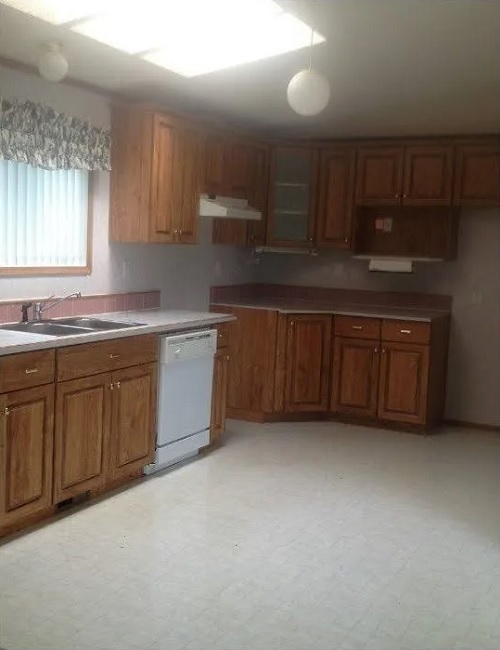
Renew Cleaning & Restoration approaches these projects as property recovery, not just junk removal. When conditions require more than hauling, trained crews can manage cleaning, remediation, odor treatment, repairs, and reconstruction as the scope calls for.
When a Professional Assessment Is Urgent
Not every crowded property requires emergency remediation. However, certain conditions call for prompt professional help because delaying the work can increase health, fire, or structural risks. Act quickly when there are blocked exits, active leaks, strong odors, extensive animal waste, visible mold, rodent or insect infestation, spoiled food, human waste, or concerns about weakened floors and ceilings.
The same is true when a property must be prepared for a sale, tenant turnover, inspection, renovation, or return to occupancy. Deadlines can create pressure to move fast, but speed should not mean skipping the assessment. A qualified team can prioritize the areas that affect safety and access first, then keep the project moving on a realistic schedule.
For landlords and property managers, documentation is another reason to start with a professional inspection. Photos, observed conditions, recommended actions, and a clear scope can support communication with owners, insurers, contractors, and incoming vendors. It also helps prevent misunderstandings about what was present before cleanup began.
A Safer First Call
The hardest part is often making the first call. People may worry about being judged or assume the property is beyond help. In reality, hoarding cleanup is handled one controlled decision at a time: make entry safe, identify hazards, protect important items, remove what cannot remain, and restore the space for use.
If you are facing a hoarding condition in a home, rental, estate, or commercial property, do not ask untrained friends or staff to push through unsafe rooms. Begin with an assessment, be honest about what is inside, and let the work plan reflect the property’s real needs. A respectful first step creates room for every next step to go better.