Is It Clutter or Am I a Hoarder? Know the Signs
A crowded garage, an overstuffed closet, or stacks of unopened mail can make anyone wonder, “Is it clutter or am I a hoarder?” The question often comes with embarrassment, especially when a home has become difficult to manage. But shame does not solve the problem. A clear, respectful look at the condition of the home can help you decide what kind of support is needed.
Clutter and hoarding are not the same thing, although they can look similar from the doorway. The difference is less about whether a room is messy and more about safety, function, and the ability to let items go. When belongings begin to block daily life or create hazardous conditions, the focus should shift from organizing to protecting the people and property involved.
Is It Clutter or Am I a Hoarder? The Core Difference
Clutter is an excess of possessions that have not been put away, sorted, donated, discarded, or stored appropriately. It may build up during a move, a busy season at work, an illness, a renovation, a death in the family, or years of postponing difficult decisions. In many cases, a person can recognize the clutter, wants it reduced, and can make progress once they have time, a plan, and practical help.
Hoarding involves a persistent difficulty discarding possessions, even when those items have little practical value. The thought of throwing something away may cause intense distress, fear of making a mistake, or a feeling that the item will be needed someday. Over time, possessions can fill rooms, cover surfaces, block exits, and prevent a home from functioning as intended.
This is not a character flaw, laziness, or a lack of intelligence. Hoarding can be connected to grief, anxiety, trauma, depression, obsessive thoughts, isolation, or other personal circumstances. Only a qualified mental health professional can diagnose a hoarding disorder. Still, families, property owners, and landlords do not need a diagnosis to recognize that a home has become unsafe and needs attention.
Signs That the Situation May Be More Than Clutter
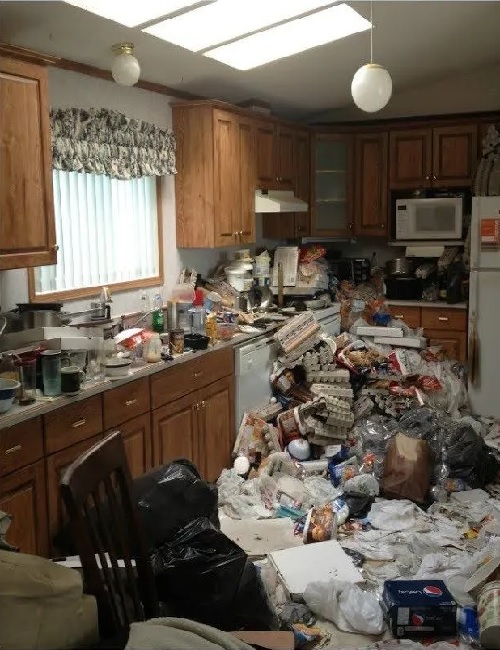
A useful question is not simply, “How much stuff is here?” Ask instead, “Can this space still be used safely for its intended purpose?” A cluttered dining table is frustrating. A kitchen that cannot be used to prepare food, a bathroom that cannot be accessed, or a hallway blocked during an emergency is a more serious concern.
Conditions may require professional cleanup and a broader support plan when:
- Rooms cannot be used as bedrooms, bathrooms, kitchens, or living areas because possessions have taken over.
- Doors, hallways, stairs, windows, electrical panels, or exits are blocked or difficult to reach.
- Food waste, animal waste, insects, rodents, mold, strong odors, or bodily fluids are present.
- Papers, boxes, clothing, or other combustible materials are piled near heaters, stoves, outlets, or appliances.
- The person avoids having anyone enter the home, even when repairs, medical care, or inspections are needed.
A property can also reach a tipping point after a water leak, fire, pest issue, or plumbing failure. Belongings may absorb water, trap moisture, conceal mold growth, or make it impossible to inspect damaged areas. What began as a storage problem can become a sanitation, restoration, and structural problem.
Look at Function, Safety, and Distress
It helps to assess the home through three lenses: function, safety, and distress.
Function means whether the home supports normal daily living. Can people sleep in a bed, cook safely, bathe, use the toilet, sit down, and move through the home without climbing over items? Are essential appliances accessible and working? A crowded home can still be functional. Once key spaces are no longer usable, the condition deserves immediate attention.
Safety means identifying risks to people and the building. Excess belongings can create trip hazards, hide water damage, restrict airflow, burden flooring, obstruct fire exits, and give pests places to nest. In Texas, heat and humidity can make odor, bacteria, insects, and mold concerns worsen quickly, particularly where spoiled food, damp materials, or animal waste are involved.
Distress means noticing the emotional cost. Does sorting produce panic, anger, grief, or complete shutdown? Does the person repeatedly bring in more items despite limited space? Do they feel unable to discard even broken, contaminated, or clearly unusable possessions? Those responses suggest the process may require more than a weekend cleanup.
Why “Just Throw It All Away” Can Backfire
When families are worried, they often want to move fast. That instinct makes sense when there are urgent health or fire hazards. Yet forcing a person to discard everything without discussion can create conflict, deepen mistrust, and make future cleanup harder.
A better approach balances safety with respect. Start by addressing immediate dangers such as blocked exits, spoiled food, contaminated materials, pest activity, or unstable piles. Then make decisions in smaller categories and clearly separate sentimental belongings, financial documents, medications, valuables, and items that must be disposed of for health reasons.
There are situations where swift action is necessary. If children, older adults, tenants, first responders, or vulnerable individuals are exposed to unsafe conditions, waiting may not be an option. The goal is still not punishment. It is to make the property safe, habitable, and manageable again.
A Practical First Step When the Home Feels Overwhelming
Do not begin by promising to clean the entire house in one day. Large promises can lead to paralysis. Choose one safety-focused goal, such as clearing a path from the bedroom to the bathroom, opening a primary exit, or removing spoiled food from the kitchen.
Before moving anything, take a few photos for your own reference and identify obvious hazards. Wear appropriate protective equipment if there is dust, animal waste, mold, sharp objects, or unknown contamination. Avoid digging through heavily compacted piles alone, particularly if there are unstable stacks, insects, rodents, bodily fluids, or signs of water damage beneath belongings.
Set aside important categories first: identification, legal documents, photographs, cash, jewelry, medication, keys, and personal records. After that, work in short sessions. A person who is emotionally attached to possessions may need time to make decisions, while a family member handling an estate may need a documented process to protect valuables and avoid disputes.
If the work is limited to ordinary household clutter, a clear sorting system and scheduled removal may be enough. If the property includes odors, biohazards, pests, damaged flooring, mold, or extensive trash, the project should be treated as professional remediation rather than standard housekeeping.
When to Call a Professional Cleanup Team
Professional help is appropriate when safety, sanitation, or property damage is beyond what family members can reasonably handle. This can include extensive trash removal, animal waste, decomposition odors, contaminated materials, insect or rodent activity, sharps, mold, water damage, or fire-related debris.
The right team should be prepared to inspect the entire situation, not simply remove visible items. Once belongings are cleared, hidden damage may need attention: subfloor contamination, drywall removal, odor treatment, mold remediation, plumbing repairs, deep cleaning, or reconstruction. Coordinating separate vendors for each stage can make an already difficult process more stressful.
Renew Cleaning & Restoration handles complex hoarding cleanup with discretion and a full-project approach, from inspection and removal through sanitation, restoration, repairs, and reconstruction when needed. For urgent health or safety concerns, trained professionals can help establish a safe plan without treating the people involved as a problem to be managed.
Support the Person, Not Just the Property
If you are helping a loved one, use calm language. Say, “I’m concerned about your safety,” rather than, “This place is disgusting.” Ask what items matter most and what outcome would make daily life easier. A usable kitchen, a clear bedroom, or safe access for maintenance may be a meaningful first goal.
For landlords, estate representatives, and property managers, document conditions carefully and follow applicable legal requirements. Be direct about access, sanitation, fire safety, and lease obligations, but avoid humiliating communication. Clear expectations and a professional cleanup plan often produce better cooperation than threats alone.
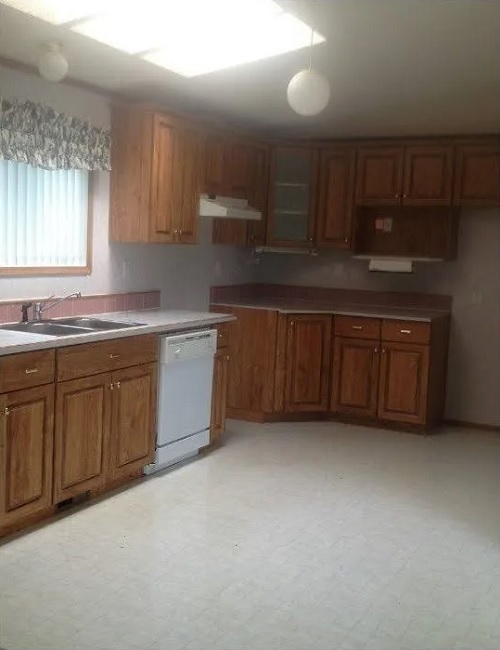
A home does not need to look perfect to be safe, and asking for help does not mean someone has failed. The first useful step is simply recognizing what the space needs next: a manageable decluttering plan, compassionate support, or immediate professional cleanup to make the property safe again.