How to Tell If Your Loved One Is a Hoarder
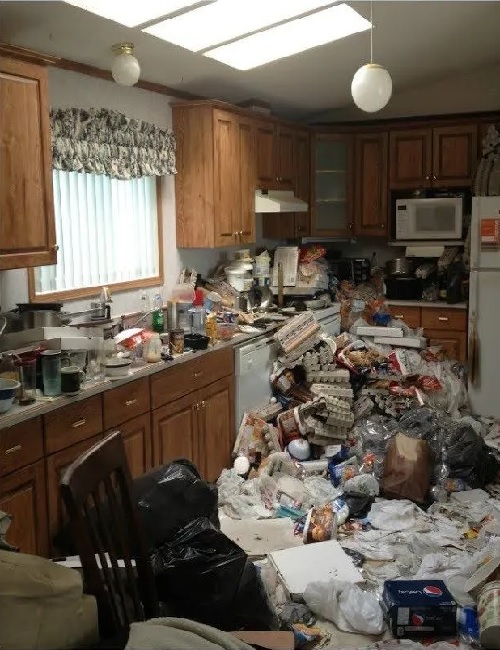
A hallway narrowed to a single path. A stove covered in papers. Doors that will not fully open because belongings have stacked up behind them. If you are wondering how to tell if your loved one is a hoarder, these conditions can be concerning, but the answer is not simply about whether a home looks messy.
Hoarding involves an ongoing difficulty discarding possessions, even items with little practical value. The result can affect a person’s health, safety, relationships, finances, and ability to use their home as intended. It is deeply personal, often tied to anxiety, grief, trauma, or fear of losing something important. Recognizing the signs early can help you respond with concern rather than shame.
Clutter alone does not always mean hoarding
Many people have crowded closets, unfinished projects, inherited belongings, or a house that gets out of hand during a stressful season. A busy family, illness, depression, a recent move, or the loss of a spouse can all create temporary clutter. That does not automatically mean someone has a hoarding disorder.
The difference is the pattern and the impact. Hoarding conditions usually persist over time, become difficult for the person to control, and prevent rooms from serving their intended purpose. A dining table may no longer be usable for meals. A bedroom may be inaccessible or used only for storage. The person may become highly distressed at the thought of sorting, donating, or throwing away even clearly unusable items.
A formal diagnosis should come from a qualified mental health professional. Family members do not need to diagnose a loved one to recognize that conditions have become unsafe or that compassionate support is needed.
Signs your loved one’s belongings may be creating a serious problem
One of the clearest signs is the loss of usable living space. Look beyond whether the home appears untidy. Ask whether essential areas can be used safely. Can your loved one sleep in their bed, cook on the stove, bathe, use the toilet, or get to an exterior door without climbing over items?
Pay attention to the volume and type of belongings being saved. Excessive amounts of newspapers, mail, containers, clothing, broken appliances, expired food, or items collected from outside may signal a growing issue. So can buying or bringing in more possessions while refusing to let anything leave the home.
Emotional reactions matter, too. Your loved one may insist that every item will be needed someday, become defensive when the subject comes up, or feel intense panic when someone suggests removing even a small amount. They may avoid inviting visitors inside because they are embarrassed, or they may isolate themselves as the condition worsens.
Financial consequences can also appear. Bills may be lost in piles of mail. Utilities may be shut off. Storage units may multiply while the home remains packed. Landlords, homeowners associations, neighbors, or code enforcement may raise concerns about conditions on the property.
Watch for immediate health and safety risks
Hoarding becomes an urgent property and personal safety concern when it blocks exits, creates fire hazards, attracts pests, damages the structure, or interferes with sanitation. These situations need more than a weekend of decluttering.
Blocked hallways and doors can make escape difficult during a fire or medical emergency. Stacks of paper, cardboard, fabrics, and household goods can add fuel to a fire and prevent first responders from moving through the home. Heavy piles may collapse, especially when stored on stairs, furniture, or unstable shelving.
Food waste, animal waste, mold, insect activity, rodent droppings, and strong odors can introduce sanitation concerns. Water leaks may go unnoticed beneath stored items, leading to damaged flooring, hidden mold, or structural deterioration. In more severe cases, a home may have limited working plumbing, heating, or electrical access.
If there is a strong odor, visible pest activity, human or animal waste, spoiled food, mold, unsafe walking paths, or a blocked exit, focus first on immediate safety. Do not enter areas that feel unstable or contaminated without appropriate protective equipment. If there is a fire risk, medical emergency, or imminent danger, contact emergency services.
How to talk to someone you love about hoarding
The first conversation can shape what happens next. Coming in with trash bags, threats, or accusations may feel efficient, but it often increases distress and resistance. A forced cleanup without the person’s participation can damage trust and, in some cases, lead to the same patterns returning.
Choose a calm time when there is no active conflict. Start with what you have observed and why you are worried. For example, you might say that you are concerned the front door is blocked and that you want everyone to be able to get out safely. Keep the focus on safety, comfort, and support rather than appearance or embarrassment.
Use respectful language. Avoid calling possessions junk, asking why they cannot just throw things away, or comparing them to other people. Listen for the feelings underneath the behavior. An item may represent a memory, security, identity, or a fear of waste. You do not have to agree with the belief to acknowledge that the feeling is real.
Set boundaries when necessary, especially if children, vulnerable adults, tenants, or shared property are affected. You can be compassionate while being clear that blocked exits, pests, waste, or unsafe conditions need to be addressed. If you share the home, describe the specific changes required for safety rather than making broad demands.
Start with a safety-first plan, not a total purge
Large cleanouts can feel overwhelming to everyone involved. A better first step is often a limited, practical goal: clear one exit, restore access to a toilet, remove spoiled food, or create a safe path to a bed. Small progress can make the next conversation easier.
When the home contains substantial debris, biological waste, pest contamination, mold, sharp objects, or damaged materials, professional help protects both the household and the people doing the work. Cleanup crews can sort and remove items according to an agreed plan, but they can also handle the sanitation work that families should not take on alone.
The scope may go beyond removal. After belongings are cleared, there may be odors, damaged drywall, contaminated flooring, plumbing issues, water damage, mold, or repairs needed before the space is safe to occupy. Choosing one provider that can inspect, clean, remove damaged materials, remediate hazards, and coordinate repairs prevents a difficult situation from becoming a string of separate projects.
For Texas families, landlords, and estate representatives facing severe conditions, Renew Cleaning & Restoration can provide discreet hoarding cleanup and restoration support from initial assessment through cleaning, removal, remediation, repair, and reconstruction when needed. The goal is not to judge the person who lives there. It is to restore a safer, functional property while treating the situation with respect.
When to involve additional support
Cleanup can improve the home, but it may not address the reasons hoarding developed. Encourage your loved one to speak with a doctor, therapist, or mental health provider familiar with hoarding behaviors. This can be especially helpful when there is intense anxiety, depression, grief, trauma, compulsive acquisition, or conflict that makes progress impossible.
There are situations where family members must act quickly, even when a loved one is not ready. This may include serious fire hazards, infestation, unsafe sanitation, adult protective concerns, lease violations, or a property that cannot be entered safely. In those cases, document the condition, communicate clearly, and bring in the appropriate professionals for the risks involved.
The most helpful next step is often a calm one: protect the immediate safety of the home, speak without humiliation, and get experienced support before the situation becomes a crisis. A loved one is more likely to accept help when they can see that the goal is not to erase their life, but to make room for them to live safely in it.