Who to Call for a Family Member That’s a Hoarder
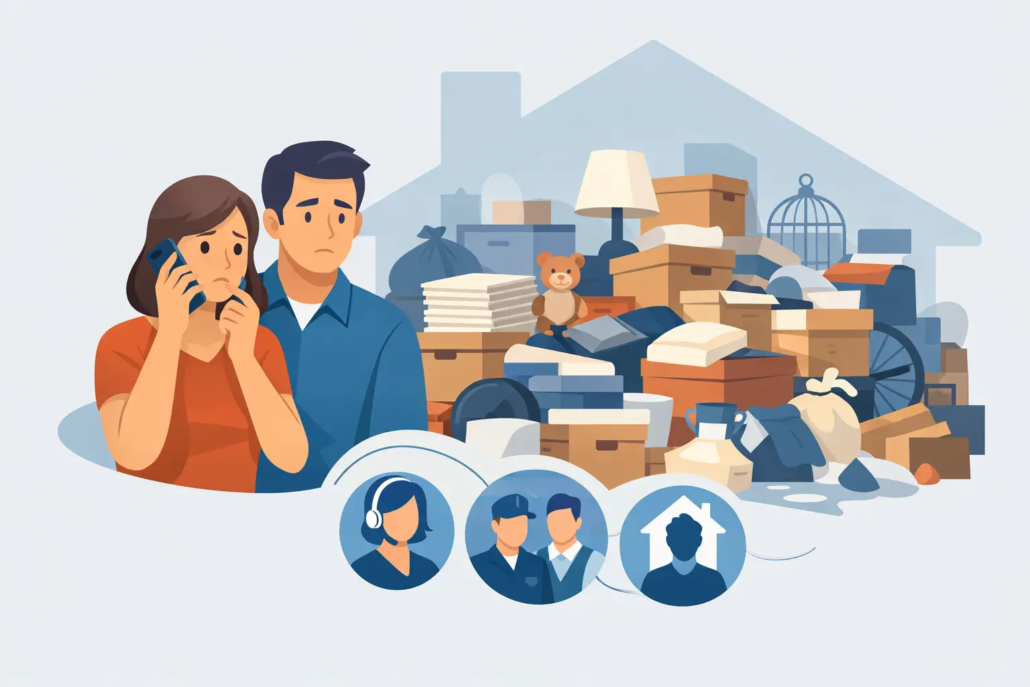
A call for help often starts after one alarming moment: you cannot reach the front door, the kitchen no longer works, pests are present, or a landlord has issued a notice. If you are asking who to call for a family member that’s a hoarder, the answer is usually not just one person. Your relative may need emotional support, medical or mental health guidance, and a professional cleanup team that can make the property safe without treating them like a problem to be removed.
The right first call depends on what is happening inside the home right now. A compassionate response protects your family member’s dignity while addressing real risks such as blocked exits, falls, fire hazards, spoiled food, animal waste, mold, and unsafe structural conditions.
Who to Call for a Family Member That’s a Hoarder
Start with the most urgent concern, not the amount of belongings. If anyone is in immediate danger – such as a fire, medical emergency, active threat, or inability to exit the home – call 911. Emergency responders can address immediate life-safety issues. Do not attempt to clear pathways through unstable piles, enter areas with strong odors or visible contamination, or turn on utilities if you suspect damage.
When the situation is not an immediate emergency, a primary care physician or licensed mental health professional is often an appropriate first resource. Hoarding behavior can be connected to anxiety, depression, trauma, grief, obsessive-compulsive symptoms, cognitive decline, or other health concerns. Only a qualified professional can assess those issues, but a physician or therapist can help your loved one begin receiving support without making the conversation solely about the condition of the home.
If your family member is older, has memory changes, is unable to manage daily needs, or may be vulnerable to self-neglect, contact their physician and consider local adult protective services. If a child lives in the home or the home presents unsafe conditions for a child, child protective services may also need to be involved. These calls can feel difficult, but safety has to come first.
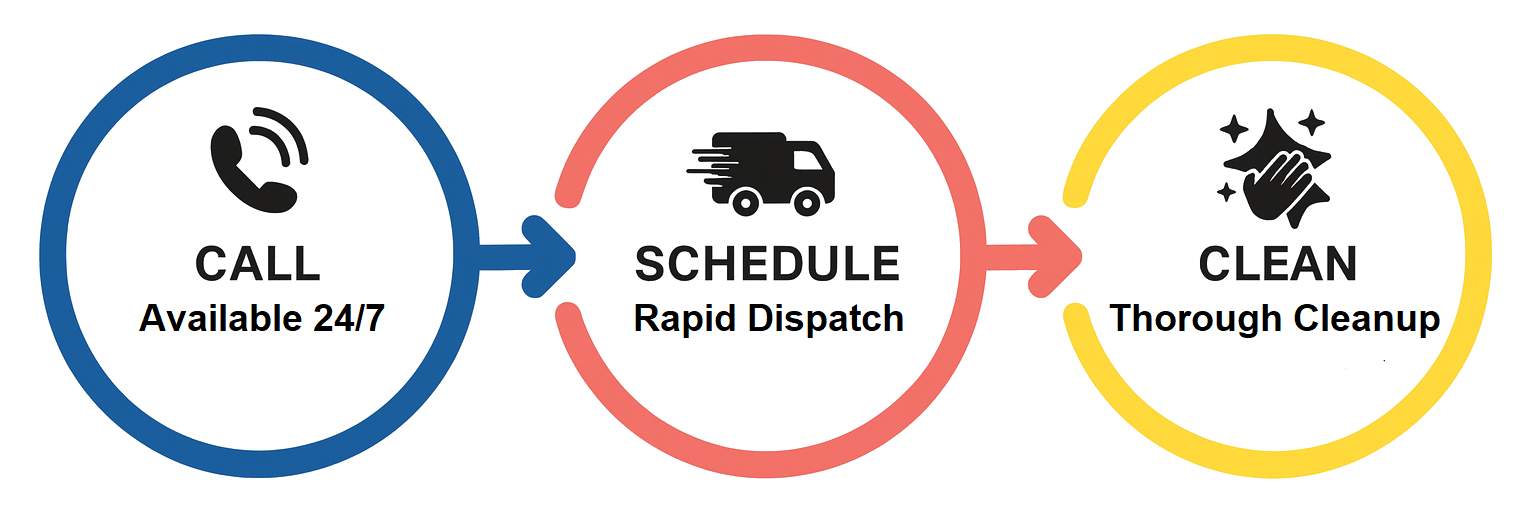
For the property itself, call a professional hoarding cleanup and restoration company when the volume of items, sanitation concerns, odors, pests, biohazards, or damage exceeds what a family can safely manage. A trained crew can assess the home, create a practical work plan, remove debris, sort items according to agreed instructions, clean and disinfect affected areas, address odors, and coordinate repairs when needed.
Why a Dumpster and a Family Work Party Can Make Things Worse
It is tempting to rent a dumpster, gather relatives, and clean everything out in a weekend. In a low-risk situation, family members may be able to help with light organizing. But a large-scale cleanout can create physical and emotional harm when it is rushed or handled without a plan.
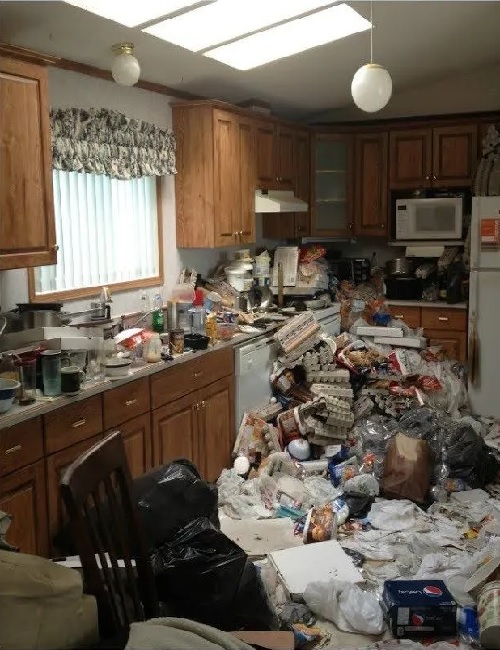
Compacted belongings can hide sharp objects, animal waste, spoiled food, insects, rodent activity, mold, damaged flooring, or weakened surfaces. Heavy lifting and narrow paths also create fall and injury risks. If medications, financial documents, legal papers, sentimental items, or valuables are mixed into the clutter, an unplanned cleanout can lead to irreversible losses and conflict.
There is an emotional trade-off, too. Removing everything without your loved one’s knowledge or participation may create panic, anger, and a deeper loss of trust. In some cases, it can make future help harder to accept. That does not mean unsafe conditions should be left in place. It means the cleanup should focus first on health, access, and essential living areas, with clear decisions about what will be removed and what will be saved.
A professional team can work discreetly, use protective equipment, and establish a process for identifying items that should be set aside. The goal is not to judge the person who lives there. It is to restore safe access and usable space.
When the Property Needs Specialized Cleanup
Not every cluttered home requires remediation. However, call a specialized cleanup provider when there are conditions that require more than hauling and surface cleaning. These may include extensive animal waste, urine saturation, spoiled food, insects or rodents, visible mold, sewage exposure, bodily fluids, strong decomposition odors, or damage from leaks, fire, or neglect.
These conditions can affect more than the rooms you can see. Odors and contamination can penetrate carpet, padding, drywall, subflooring, HVAC components, cabinetry, and insulation. Simply removing items may expose damage underneath or leave behind odors that make the home difficult to occupy or sell.
This is where an all-in-one restoration provider can reduce the burden on the family. Rather than coordinating separate hauling, cleaning, odor-control, mold, repair, and reconstruction vendors, you can work from one inspection and one coordinated project plan. Renew Cleaning & Restoration handles complex hoarding cleanup across Texas, including removal, sanitation, odor treatment, remediation, repairs, and reconstruction when the condition of the property requires it.
How to Speak to Your Family Member Before You Call
The first conversation may determine whether your loved one accepts help. Avoid labels, accusations, and debates about whether an item has value. Statements like “This is disgusting” or “You have to throw everything away” may cause them to shut down, even when your concern is valid.
Instead, be specific about safety and lead with care. You might say that you are worried about their ability to get out safely, cook, use the bathroom, receive visitors, or have needed repairs completed. Ask what area of the home would make daily life easier if it were usable again. A clear first step – opening a path to the bathroom, clearing the stove, or making space for a bed – can feel more manageable than discussing the entire house.
Keep expectations realistic. Progress may be gradual, and your family member may not agree to every decision. If there is no immediate danger, giving them choices about where to start and what to save can preserve trust. If serious health or fire risks are present, be calm but firm about the need for professional intervention.
Questions to Ask a Hoarding Cleanup Company
Before hiring help, ask how the company handles sorting, valuables, documentation, privacy, contamination, and repairs. You need to know whether the crew is prepared for the actual condition of the home, not just the visible clutter.
Ask whether the company can separate important documents, photographs, heirlooms, and items designated by the family. Ask how they manage biohazards, mold, pests, and odor sources if discovered. If the property is a rental, estate, or insurance-related loss, ask about photos, itemized estimates, and coordination with property managers or adjusters.
It also helps to ask what happens after removal. A home may need deep cleaning, disinfection, damaged-material removal, flooring replacement, drywall repair, painting, plumbing work, or reconstruction before it is safe and comfortable again. A provider that owns the full process can prevent the cleanup from stalling once hidden damage is uncovered.
What You Can Do While Help Is Being Arranged
Do not make the entire property your responsibility overnight. Focus on immediate safety: keep exits as clear as possible, avoid open flames, do not overload electrical outlets, and keep children and pets away from contaminated areas. If the home has unsafe air quality, severe odors, pests, or biohazards, limit entry until trained professionals can assess it.
Gather essential information before the first assessment. This may include the property address, whether anyone currently lives in the home, known hazards, areas that must be accessed, and any deadlines from a landlord, code enforcement office, insurer, or real estate transaction. If your relative agrees, identify medications, identification, legal documents, and personal items that should be protected during the project.
You do not have to choose between compassion and safety. The best next call is the one that addresses the most urgent risk while giving your family member a path toward a safer, more livable home – one careful step at a time.