Best Hoarding Cleaning Company in Houston
A hoarding cleanup is rarely just a cleaning job. A home may have blocked exits, damaged flooring, pests, strong odors, mold, animal waste, or materials that require careful disposal. When families, landlords, estate representatives, or property managers search for the best hoarding cleaning company in Houston, they need more than a crew that can haul away clutter. They need a capable, respectful team that can make the property safe and take responsibility for the work from start to finish.
The right company should reduce the pressure on everyone involved. That means arriving prepared, communicating clearly, protecting privacy, and addressing the hidden property damage that often becomes visible only after the contents are removed.
What the Best Hoarding Cleaning Company in Houston Should Handle
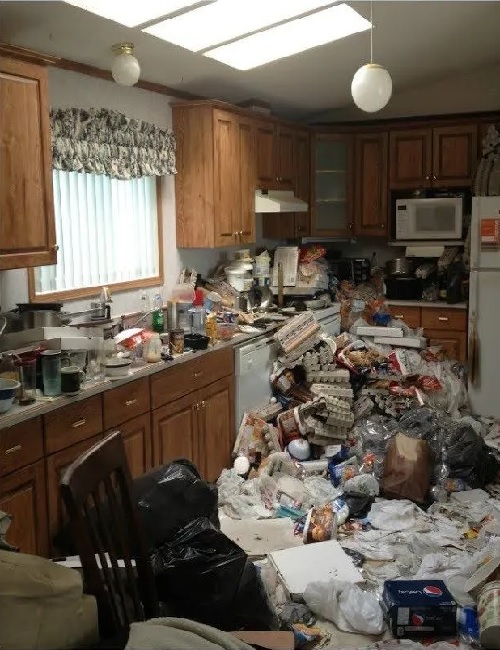
The scope of a hoarding project depends on the condition of the property. Some homes need sorting, removal, deep cleaning, and odor treatment. Others require biohazard cleaning, pest-related sanitation, mold remediation, water damage repair, or reconstruction after the cleanup is complete.
A company that handles only junk removal can be a fit for a straightforward property that is otherwise clean and safe. But when conditions involve contamination, structural concerns, or major odors, multiple vendors can create delays and confusion. One company removes contents, another cleans, another addresses mold, and another repairs the home. Meanwhile, the property remains unusable.
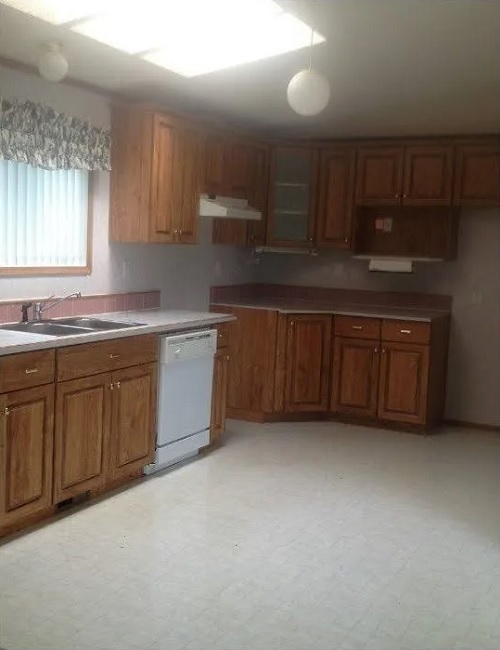
Look for a provider that can assess the full situation before work begins and coordinate the complete process. The best outcome is not an empty house. It is a safe, sanitary, functional property that is ready for its next step, whether that means a family returning home, a sale, a rental turnover, or renovation.
Safety Must Come Before Speed
Fast service matters, especially when a property is vacant, a move-out deadline is approaching, or a landlord needs to limit further damage. Still, speed without a proper assessment can lead to missed hazards.
Hoarding conditions may conceal sharp objects, unstable piles, spoiled food, rodent droppings, insects, contaminated materials, or moisture damage. In severe cases, there may be human or animal waste, decomposition odors, mold growth, or compromised subfloors and drywall. These are not conditions for untrained labor or a quick dumpster rental.
Ask how the company identifies hazards and protects the people on site. Trained professionals should use appropriate personal protective equipment, containment procedures when needed, and safe disposal methods for different materials. They should also know when an issue requires specialized remediation rather than routine cleaning.
A careful inspection protects the occupants, workers, neighboring units, and the property itself. It also provides a more realistic plan and helps prevent surprise costs after the project is underway.
Compassion and Discretion Are Part of the Service
Hoarding can involve grief, illness, isolation, trauma, mobility issues, or years of accumulated belongings. Even when the work is being arranged by an adult child, executor, landlord, or property manager, the situation can be emotionally difficult for everyone involved.
A professional company should never treat the property or its occupants as a spectacle. Respectful crews work without judgment, communicate plainly, and follow clear instructions about items that may need to be located or preserved. This can include legal documents, photographs, heirlooms, jewelry, medication, financial records, or items requested by family members.
Discretion also matters in dense neighborhoods, apartment communities, and commercial settings. Ask how the team manages arrival, loading, dumpsters, and on-site communication. You should feel comfortable discussing sensitive property conditions without worrying that the process will become more stressful than it already is.
Get a Clear Scope, Not a Vague Promise
A reliable estimate should explain what is included. Hoarding cleanup costs can vary widely because every property is different. The volume of contents is only one factor. Access, contamination, pest activity, number of rooms, disposal needs, odor severity, and repairs can all affect the final scope.
Before authorizing work, make sure you understand whether the estimate covers sorting, removal, hauling, cleaning, sanitation, odor treatment, and disposal fees. If restoration work may be needed after contents are removed, ask how that will be documented and priced. A company should be able to explain what is known now, what may be uncovered later, and how change orders are handled.
The lowest quote is not always the lowest total cost. A low initial price can become expensive if the provider cannot handle mold, damaged materials, sewage exposure, or necessary repairs. Compare the scope of work, response time, qualifications, and accountability – not just the number at the bottom of the estimate.
Ask Whether They Can Restore the Property After Cleanup
Removing belongings reveals the real condition of the home. Carpeting may need removal. Floors may be stained or weakened. Walls may have absorbed odors. Plumbing leaks, roof damage, mold, and electrical concerns may come to light after rooms are cleared.
This is where an end-to-end restoration provider can make a meaningful difference. Rather than leaving you with a clean but damaged property, the same team can coordinate mitigation, repairs, and reconstruction. That is especially useful for out-of-town family members, estate representatives, and property managers who cannot spend weeks coordinating separate vendors.
Renew Cleaning & Restoration handles complex cleanup and restoration projects with this all-in-one approach, from inspection and removal through remediation, repair, and reconstruction when the property needs more than cleaning. For the client, that means one accountable point of contact and fewer gaps between phases of the work.
When 24/7 Availability Matters
Not every hoarding cleanup is an overnight emergency. However, immediate assistance can matter when there is a leak, flooding, fire damage, a failed inspection, a health concern, an eviction deadline, or a property that must be secured quickly.
A responsive provider should be able to explain what can happen right away and what requires a scheduled project plan. Be cautious of anyone who promises a full solution without seeing the site or asking basic questions about the property condition. Good emergency response is not guesswork. It is prompt communication, practical triage, and a plan that addresses the actual risk.
For Houston-area properties, timely action can also prevent humidity and water-related problems from becoming mold and odor issues. If moisture is involved, cleanup and drying should be addressed early rather than treated as an afterthought.
Questions to Ask Before You Hire
A brief conversation can tell you a great deal about whether a company is ready for the job. Ask whether they have handled homes with contamination, odors, pests, mold, or structural damage; whether they provide written estimates; how they handle valuables and requested items; and whether they can complete repairs after cleanup.
Also ask who will manage the project and how often you will receive updates. This is particularly important when the responsible party lives elsewhere or when several family members need information. A clear point of contact prevents misunderstandings during an already demanding process.
Finally, pay attention to how the company speaks with you. You should hear practical answers, not pressure. The right team understands that this work affects people, not just square footage.
A hoarding property can feel impossible to face when every room holds another problem. Start with a professional assessment, a clear plan, and a team that can handle what the cleanup reveals. One call should move the property toward safety, cleanliness, and a genuine fresh start.