Who Removes Animal Waste From Your Property?
A few pet accidents are one thing. A home, rental unit, business, attic, crawlspace, or vacant property affected by repeated urine, feces, nesting material, or animal carcasses is another. Who removes animal waste when the mess is extensive, unsafe, or tied to odors and property damage? Trained animal waste cleanup and biohazard remediation professionals are often the right call.
The work is not simply about picking up visible waste. Animal contamination can soak into carpet padding, wood subfloors, insulation, drywall, furniture, and HVAC components. It can leave persistent odors, attract insects, create slip hazards, and expose occupants to bacteria, parasites, or airborne particles. A professional team can identify the full extent of the damage, remove contaminated materials when needed, clean and treat affected areas, and coordinate repairs so the property is safe to use again.
Who Removes Animal Waste in Serious Situations?
The right provider depends on what happened, how much contamination is present, and whether animals are still on the property. For light, routine pet waste in a yard, a pet waste removal company may be sufficient. For a single small accident indoors, normal cleaning may be appropriate if the area can be thoroughly cleaned and dried.
When waste has accumulated, penetrated building materials, or created strong odors, property owners should call a professional cleaning and restoration company with experience in biohazard or hazardous sanitation work. These teams handle contaminated materials, use appropriate personal protective equipment, and follow a process designed to address what can be seen as well as what has traveled beneath surfaces.
If raccoons, bats, rodents, birds, squirrels, or other wildlife are still inside the structure, wildlife control or exclusion should happen first. Cleanup before the entry point is sealed can lead to repeated contamination. Once the animals are removed and access points are addressed, a remediation team can safely clean droppings, urine, nesting debris, and odor sources.
For farms, kennels, animal boarding facilities, and commercial properties, the answer may involve a specialized sanitation contractor or restoration provider that can manage larger-scale contamination. The key is choosing a company equipped for the conditions, not one that treats a significant contamination event as ordinary janitorial work.
When Animal Waste Needs Professional Cleanup
It is easy to underestimate the scope of an animal waste problem, especially when it developed slowly. A landlord may discover it after a tenant moves out. A family may find it in an elderly relative’s home. A business owner may notice odors near a ceiling or wall only after wildlife has been present for weeks.
Professional help is warranted when contamination covers multiple rooms, has been present for an unknown period, or involves a crawlspace, attic, ductwork, insulation, carpet, or porous building material. It is also appropriate when a person who is pregnant, immunocompromised, elderly, or very young may be exposed.
Rodent droppings, bird waste, bat guano, and raccoon feces deserve particular caution. Disturbing dry droppings can send particles into the air, while certain animal waste can carry bacteria, fungal spores, or parasites. The health risk varies by animal, location, and condition of the waste, but the safest approach is not to sweep, vacuum, or pressure-wash a large contaminated area without a proper assessment.
Strong urine odor is another sign that surface cleaning may not solve the problem. Urine can migrate through carpet and padding into the subfloor, or soak into drywall, baseboards, insulation, and wood framing. Covering it with fragrance or paint may temporarily mask the smell, but it does not remove the source.
What Professional Animal Waste Removal Includes
A qualified cleanup team starts with an inspection. They determine the type of contamination, where it has spread, which materials can be cleaned, and which materials need removal. Moisture readings, odor investigation, and close inspection of hidden areas can reveal contamination behind walls, under flooring, or above ceilings.
Next comes containment and controlled removal. Technicians isolate the affected area as needed to reduce the chance of particles or odors spreading into clean spaces. They remove waste, nesting materials, damaged contents, and unsalvageable porous materials using appropriate handling and disposal practices.
Cleaning follows removal. Depending on the surface and contamination, this may include detailed cleaning, HEPA vacuuming where appropriate, antimicrobial treatment, and drying. Hard, nonporous surfaces can often be cleaned and treated. Heavily contaminated carpet, padding, insulation, particleboard, or drywall may need to be removed because contamination can remain deep inside the material.
Odor treatment is part of the process, not an afterthought. A dependable provider works to remove the odor source first, then treats remaining odors using methods suited to the property and material involved. If urine has damaged flooring or wildlife has contaminated attic insulation, reconstruction may be necessary after cleaning. That can include replacing insulation, drywall, flooring, trim, subflooring, or other affected materials.
This end-to-end approach matters because a cleanup is incomplete if the property still smells contaminated, damaged materials remain in place, or the conditions that allowed animals inside have not been addressed.
Who to Call for Common Animal Waste Problems
For recurring dog or cat accidents in one room, a restoration and odor-removal professional can assess whether the contamination has reached the padding and subfloor. This is common in rental homes, vacant properties, and homes where an animal was unable to go outside regularly.
For rodent or squirrel droppings in an attic, crawlspace, garage, or wall cavity, call a wildlife exclusion provider if the infestation is active, then arrange professional cleanup. Insulation often requires special attention because it can hold droppings, urine, and odor even after the animals are gone.
For bat or bird droppings, especially in an attic, warehouse, church, barn, or commercial building, use a trained remediation provider. Large deposits should not be treated as a basic housekeeping project. Access challenges, dust control, ventilation, and contaminated insulation can make these jobs more complex than they first appear.
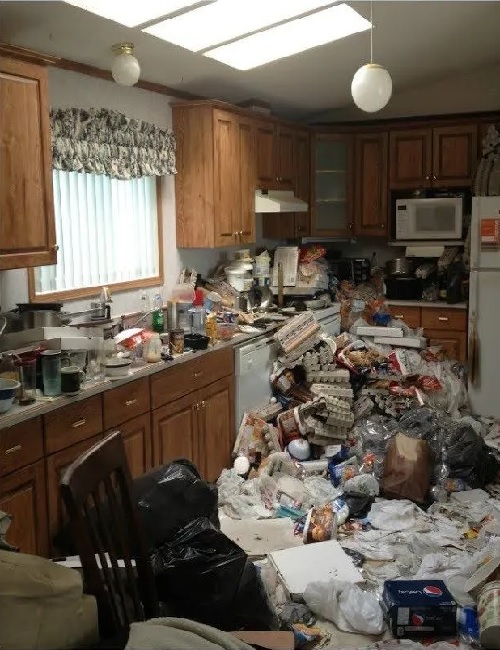
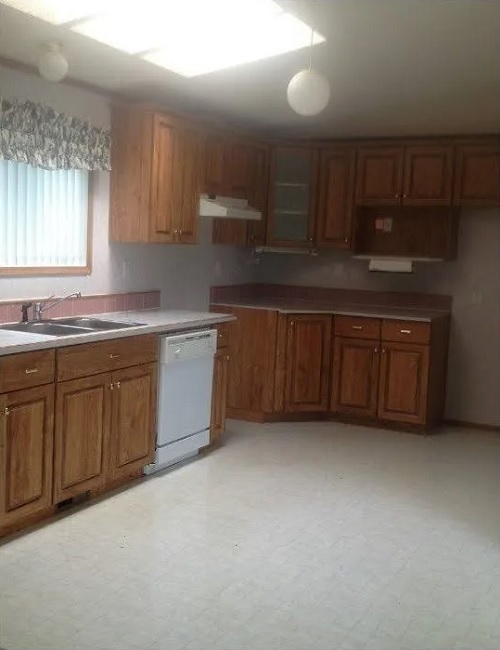
For a property with extensive pet waste, hoarding conditions, deceased animals, or multiple sanitation concerns, choose a company that can manage the entire site. Renew Cleaning & Restoration can inspect the damage, handle specialized cleaning and odor remediation, remove affected materials, and coordinate restoration or reconstruction when cleanup alone is not enough.
What to Do Before Help Arrives
Protecting people and preventing the problem from spreading should come before trying to make the space look better. If the contaminated area is large or dry and dusty, avoid disturbing it. Keep children, pets, visitors, and unnecessary staff away from the space.
Take a few practical steps while arranging service:
- Close off the affected room or area if you can do so without stirring debris.
- Do not sweep, vacuum, or use a leaf blower on dry animal droppings.
- Open windows only when it is safe and practical, particularly if odors are strong.
- Photograph visible damage for your records, property manager, or insurance carrier before disposal begins.
If there is an active animal issue, avoid trapping or handling wildlife yourself. Animal removal, exclusion, and cleanup each require different skills. Coordinating them in the right order helps prevent recontamination and unnecessary repair costs.
What Affects the Cost of Animal Waste Cleanup?
Pricing depends on the size of the affected area, the animal involved, how long contamination has been present, the materials affected, and the access required. A small carpet treatment is very different from removing contaminated attic insulation or repairing a urine-damaged subfloor.
The most useful estimate is one based on an inspection, not a guess from a single photo. Ask whether the scope includes waste removal, odor treatment, disposal, damaged-material removal, cleaning, and any needed repairs. If different vendors are involved, clarify who is responsible for each phase so no part of the problem gets left behind.
Animal waste contamination can feel embarrassing or overwhelming, but it is a property condition that can be addressed. Prompt, respectful professional help can turn a difficult space into one that is clean, usable, and ready for the next step.