Estate Property Cleanout Services Done Right
A house can hold far more than furniture. After a death, move to assisted living, inheritance, foreclosure, or long period of neglect, families and property representatives are often left facing rooms full of belongings, odors, damaged materials, and decisions that cannot be made in a single afternoon. Estate property cleanout services create a practical path forward by handling removal, cleaning, and property recovery with the care the situation deserves.
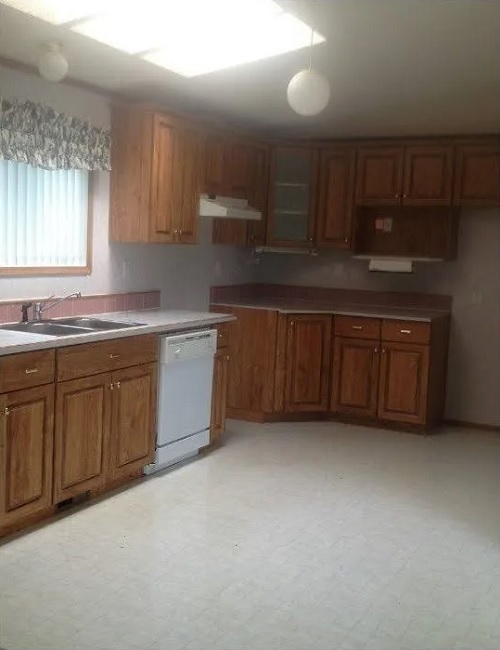
The goal is not simply to make a property look empty. A proper cleanout prepares it for the next necessary step, whether that is a sale, listing, repair, renovation, rental turnover, or a family member moving in. When conditions are complicated, one accountable team can prevent a difficult project from becoming a chain of missed details and competing vendors.
When an Estate Cleanout Needs More Than Hauling
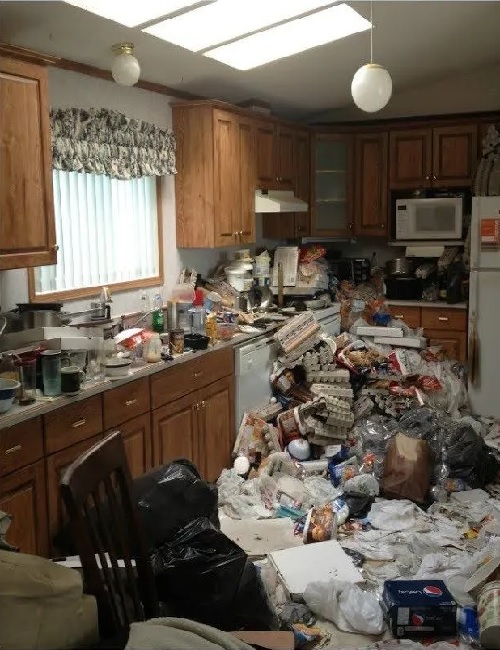
A basic junk-hauling crew may be the right choice for a garage with a few unwanted items. An estate property is different when there are years of accumulated contents, heavy furniture, abandoned food, animal waste, moisture damage, strong odors, or areas that have not been entered in a long time.
Some homes also contain hidden risks. A leaking roof or plumbing line may have created mold behind walls or under flooring. Rodent or insect activity can leave contamination in cabinets, attics, and HVAC areas. In more sensitive cases, decomposition, bodily fluids, medical waste, or drug-related materials require trained biohazard cleanup rather than ordinary cleaning.
These conditions call for a plan that protects people and the structure. Removing contents before identifying water damage, contamination, or compromised materials can spread debris and odors through the home. It may also expose family members, real estate professionals, or contractors to hazards they were not prepared to handle.
What Estate Property Cleanout Services Should Include
The right scope depends on the property, its condition, and what must happen after the cleanout. A credible provider starts with an on-site assessment, identifies health and structural concerns, and explains what can be removed, cleaned, restored, donated, recycled, or disposed of.
For most estates, the work begins with sorting and content removal. Family members may want time to identify documents, heirlooms, photographs, firearms, financial records, or personal items before removal begins. Clear instructions matter. A professional team should not treat every item as trash, especially when the estate is still being reviewed by heirs, executors, or attorneys.
Once the contents are addressed, the property itself needs attention. This can include deep cleaning of kitchens and bathrooms, appliance cleaning, carpet removal, odor treatment, sanitation of affected rooms, and removal of damaged drywall, insulation, flooring, or cabinetry. If water, fire, mold, hoarding conditions, or biohazards are present, remediation should be performed before cosmetic repairs begin.
A complete service provider can also coordinate the work that follows cleanup: drying and mitigation, mold remediation, demolition, repairs, painting, flooring, reconstruction, and final move-in or listing cleanup. That approach matters because an empty home is not necessarily a ready home.
Start With Safety, Documentation, and a Clear Plan
Before anyone starts loading boxes or moving furniture, establish who has authority to make decisions for the property. The executor, administrator, trustee, owner, or authorized representative should provide direction on what stays and what goes. If there is uncertainty about valuables, paperwork, or family belongings, pause and create a review process before removal.
It is also wise to document the home’s condition before work begins. Photos and a written scope help establish what was found and what services are needed. This is especially useful when multiple heirs are involved, when an insurance claim may be considered, or when a property manager, attorney, or real estate agent needs a record of the work.
A good assessment should answer practical questions: Are there active leaks? Is electricity safe to use? Are there signs of mold or pest activity? Is the odor coming from contents, flooring, walls, ducts, or a deceased animal? Are there areas that need restricted access until trained technicians can address them? These answers shape the order of work and help avoid paying twice for the same problem.
The Order of Work Matters
Estate cleanouts often move faster when handled in the correct sequence. First, secure the property and identify any immediate hazards. Next, set aside items the family or estate representative wants to review. Then remove unwanted contents in a controlled way, followed by cleaning, remediation, repairs, and final detailing.
That order can change. If a home has widespread mold, sewage backup, or biohazard contamination, the affected area may need containment and professional remediation before general removal can continue. If a roof leak is still active, drying and temporary protection may come first. If the home is structurally unsafe, cleanup must wait until it can be entered safely.
This is where an all-in-one provider has a real advantage. Instead of calling one company for hauling, another for mold, another for odor, and another for repairs, the estate representative has one team managing the project from inspection through final cleaning. Fewer handoffs mean fewer opportunities for delays, conflicting recommendations, and overlooked damage.
Common Challenges That Delay a Sale or Turnover
The visible contents are often only part of the problem. Properties that have been closed for months can develop stale air, humidity issues, pests, plumbing leaks, and persistent odors. A home may look clean after debris is removed but still fail a buyer’s walkthrough because of stained subfloors, smoke residue, pet contamination, or moisture damage.
Hoarding conditions add another layer of complexity. Excess belongings can block exits, hide damaged floors, create fire risks, and prevent technicians from reaching the actual source of a problem. These projects require patience, privacy, and a methodical approach. Rushing through them without a disposal plan can damage important belongings or leave unsafe conditions behind.
There is also a difference between masking an odor and removing its source. Air fresheners and surface wiping will not solve odors trapped in carpet padding, drywall, insulation, upholstery, HVAC components, or subflooring. Effective odor removal may require targeted cleaning, removal of affected materials, treatment of the source, and verification that the property is ready for occupancy.
Choosing a Provider for a Sensitive Property
Price matters, but the lowest quote is not always the lowest final cost. Ask what the estimate includes, how disposal is handled, whether cleaning and remediation are separate, and what happens if hidden damage is found. A vague quote can become expensive once the project is underway.
Look for a provider that can explain its process in plain language and respond quickly when the property has urgent conditions. For sensitive estates, discretion is just as important as equipment. The team should respect the family’s instructions, protect private information, and communicate clearly about timing, access, discoveries, and next steps.
It also helps to choose a company with experience beyond ordinary cleanouts. If the job reveals mold, water damage, biohazards, or a need for reconstruction, you should not have to restart the search for help. Renew Cleaning & Restoration provides statewide Texas support for complex cleanout, remediation, restoration, and repair projects, with a single point of accountability from the first inspection to the final cleanup.
Prepare the Property for Its Next Chapter
An estate cleanout is often one task in a larger transition, and it deserves more than a rushed dumpster load. Give the family time to protect what matters, let trained professionals address hazards correctly, and make decisions based on the condition of the building, not just what is visible in the rooms.
When the property is safe, clean, and honestly assessed, the next decision becomes much easier. Whether the home will be sold, repaired, rented, or kept in the family, a clear space and a clear plan can bring needed relief at a difficult time.