Clutter Removal When a Property Needs a Reset
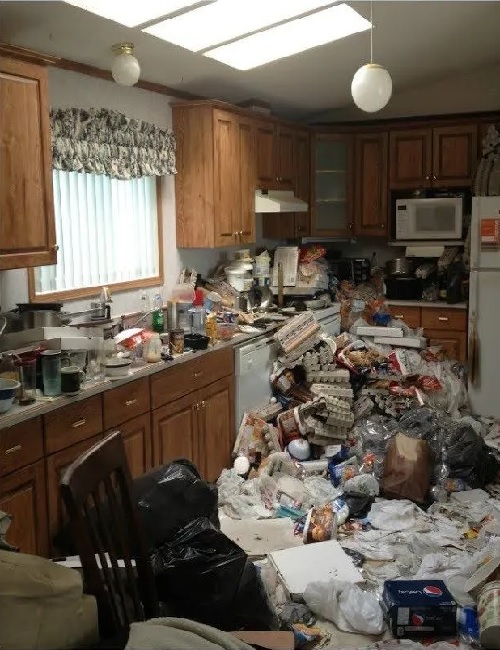
A crowded garage is one thing. A property where hallways are blocked, odors linger, pests are present, or rooms can no longer be used is something else entirely. Professional clutter removal gives owners, families, landlords, and property managers a practical path forward when the volume of belongings has become too much to manage safely.
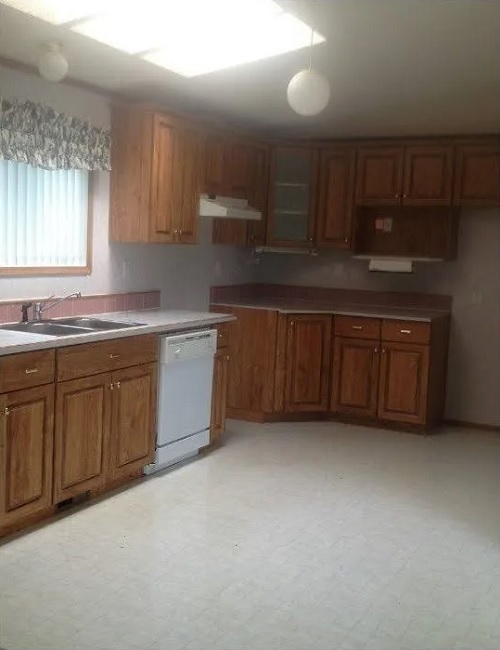
The goal is not simply to make a space look better. It is to restore access, reduce risks, protect the structure, and prepare the property for its next step, whether that means a family move, an estate transition, a sale, repairs, or full occupancy.
When Clutter Removal Requires More Than a Dumpster
Many cleanup projects begin with good intentions: save a few weekends, rent a dumpster, and work room by room. That approach can work for a manageable amount of dry, nonhazardous household items. It becomes far less practical when the property contains years of accumulation, damaged belongings, heavy furniture, spoiled food, animal waste, mold, water damage, or signs of pest activity.
The condition of the items matters as much as the amount. Boxes stored in a garage after a flood may contain mold or contaminated materials. A packed home may hide damaged flooring, plumbing leaks, rodent activity, or structural concerns that cannot be seen until access is restored. In these cases, removal is only the first phase of the work.
A professional team can assess the site, identify obvious safety concerns, establish a work plan, and remove contents in a controlled order. Once the property is cleared, it is easier to evaluate what needs cleaning, remediation, repair, or reconstruction. One accountable provider can keep those steps connected instead of leaving the owner to coordinate separate hauling, cleaning, restoration, and repair companies.
The Risks Hidden Beneath Excess Belongings
Clutter does not automatically make a property unsafe. But when accumulation limits normal use of the home or building, the risks increase quickly. Clear paths are essential for safe movement and emergency exit. Stacked materials can fall, block electrical panels, restrict access to water shutoffs, and make it difficult for first responders to enter if there is a fire or medical emergency.
Moisture is another concern, especially in Texas properties exposed to storm damage, plumbing failures, or high humidity. Cardboard, fabrics, and stored belongings can absorb moisture and conceal mold growth. What appears to be a simple storage problem may involve contaminated contents and building materials that need trained remediation.
Hoarding conditions may also include sharps, medications, chemicals, spoiled food, animal waste, insects, or rodents. These situations require care and discretion. Family members should not feel pressured to sort through potentially hazardous materials without proper protective equipment, containment practices, and disposal procedures. Safety comes before speed, and a respectful plan is better than an emotionally exhausting attempt to handle everything in a single day.
A Respectful Process for Difficult Properties
Clutter removal is often personal. It may follow the death of a loved one, a move into assisted living, a tenant departure, a severe illness, or years of circumstances that became difficult to control. The work should never be treated as a spectacle or a reason for judgment.
A capable cleanup provider starts with an inspection and a clear conversation about the property’s condition, access, priorities, and timeline. Some clients need a rapid cleanout so repairs can begin or a property can be returned to service. Others need time to identify documents, heirlooms, photos, or items that should be set aside before disposal begins.
That distinction matters. A fast empty-out can be appropriate for an abandoned commercial unit or a damaged rental property, but an estate or hoarding cleanup often needs a more deliberate approach. The best plan reflects the client’s goals while protecting the crew, the property, and the people affected by the situation.
What a Full-Service Cleanup Can Include
Depending on the property, the project may include sorting and removal of unwanted contents, hauling, approved disposal, cleaning and sanitation, odor treatment, pest-related cleanup coordination, and removal of damaged materials. If moisture, mold, fire residue, or biohazards are present, the scope may expand into specialized remediation.
After the contents are gone, hidden damage is often easier to identify. Subflooring may need replacement, drywall may need repair, and affected rooms may need repainting or reconstruction. This is where an end-to-end provider saves time: the same team can move from inspection and removal into mitigation, cleaning, repairs, and final restoration.
Not every item should go into the same container, and not every item can be donated. Condition, contamination, local disposal rules, and the type of material all affect the right handling method. Electronics, chemicals, medications, paint, batteries, sharps, and damaged appliances may need separate procedures. A professional crew helps prevent a cleanup project from becoming an improper-disposal problem.
Preparing for a Clutter Removal Project
Clients do not need to have the property organized before requesting help. In fact, waiting until everything is sorted can delay work when there are urgent safety or property concerns. Still, a few simple steps can make the process more efficient.
If possible, identify anything that must be preserved before the crew arrives, such as legal records, financial documents, photographs, keys, firearms, sentimental items, or items needed for insurance. If there are known hazards, such as a leaking pipe, mold, animals, waste, sharps, or damaged electrical service, disclose them early. Clear information allows the team to bring the right equipment and assign the proper level of protection.
For landlords, property managers, and real estate professionals, it also helps to clarify access, deadlines, and what will happen after the cleanout. A vacant unit may need deep cleaning and repairs before listing. A commercial space may need to meet operational or tenant turnover deadlines. A home being sold after an estate transition may need debris removal, odor treatment, and targeted reconstruction before it can be shown with confidence.
Why Speed Matters, and When It Should Not Be Rushed
Fast response is valuable when clutter is paired with water damage, fire damage, contamination, a code concern, or a property turnover deadline. The longer damp or contaminated materials remain in place, the greater the chance of odors, mold growth, pest activity, and damage to finishes beneath them.
But speed should not mean careless disposal. Projects involving estates, occupied homes, or hoarding conditions may require client-approved sorting decisions and a staged schedule. The right balance depends on the property and the people involved. A professional crew should explain the plan, the scope of work, expected findings, and any changes that become necessary once concealed areas are exposed.
This is particularly important when a cleanup reveals a larger restoration issue. Removing clutter may uncover warped floors from an old leak, smoke residue from a past fire, or mold behind stored furniture. Those discoveries can affect cost and timing, but identifying them early prevents a cosmetic cleanup from masking a real property problem.
One Call From Cleanup to Reconstruction
The most difficult projects rarely fit neatly into one service category. A homeowner may need belongings removed before mold remediation can begin. A property manager may need a unit cleaned out, sanitized, repaired, and ready for a new tenant. An estate representative may need a home cleared, odors addressed, and damaged rooms restored before sale.
Renew Cleaning & Restoration handles complex property cleanup with that full picture in mind. From the first inspection through removal, sanitation, remediation, repairs, and reconstruction when needed, the focus is on restoring a safe, usable property without making clients manage a chain of vendors during an already stressful time.
If the condition of a property is creating safety concerns, delaying a sale or turnover, or preventing needed repairs, asking for an assessment is a practical first move. You do not have to solve every decision before getting help. Start by restoring safe access to the space, then make the next choices with a clear view of what the property needs.