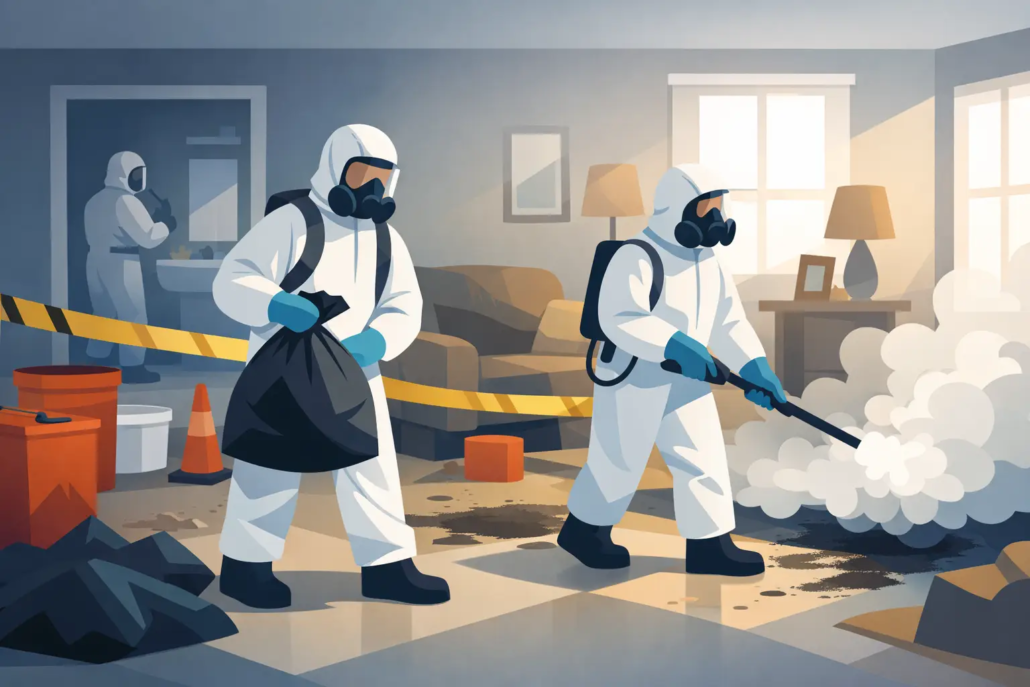
What Biohazard Cleanup Looks Like After a Loss
A traumatic event can leave more than visible damage behind. Blood, bodily fluids, animal waste, infectious materials, and decomposition can create health risks that remain long after emergency responders have left. Biohazard cleanup is the careful work of making the property safe again while treating everyone involved with discretion and respect.
For a homeowner, family member, landlord, or property manager, this is rarely a situation you planned for. The immediate question is often simple: Who can handle this safely, quickly, and without making an already difficult situation harder? The answer should be a trained restoration team that can take responsibility for the full scope of the property, not just remove what is visible.
When Biohazard Cleanup Is Needed
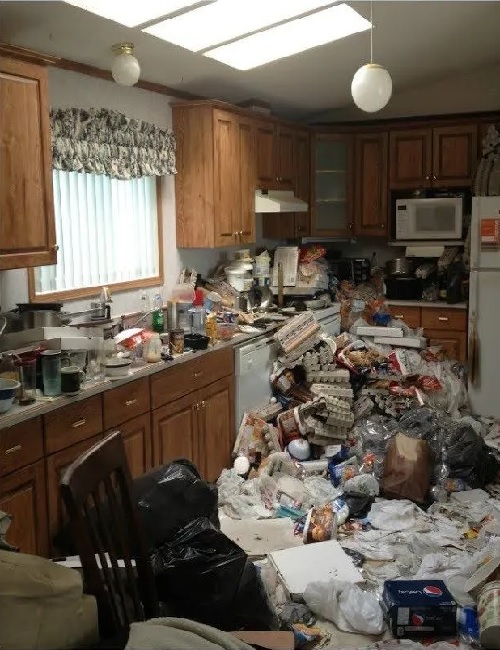
Biohazard conditions can occur in private homes, apartments, businesses, vehicles, public facilities, and vacant properties. They are not limited to crime scenes. A severe illness, unattended death, suicide, accident, hoarding condition, sewage backup, rodent infestation, or animal contamination may all require specialized cleaning and remediation.
The need for professional help depends on the type and extent of contamination. A small, contained issue may be manageable with proper precautions, but situations involving bodily fluids, decomposition, sharps, pathogens, extensive waste, or contamination that has reached porous materials should not be treated as ordinary cleaning. Carpet padding, subflooring, drywall, furniture, insulation, and HVAC components can hold contamination or odor where it cannot be seen.
The goal is not to make a room look clean. The goal is to identify affected materials, remove hazards properly, clean and disinfect the remaining structure, and restore the space so it can be used with confidence.
Why Ordinary Cleaning Is Not Enough
Household cleaners and a quick surface wipe may reduce what is visible, but they do not address every risk. Bodily fluids can travel into seams, cracks, carpet backing, baseboards, and absorbent building materials. Decomposition odors may linger because the source has penetrated materials beneath the surface. In some cases, attempting cleanup without the right equipment can spread contaminants farther through the property.
Professional teams use protective gear, containment practices, specialized cleaning agents, and equipment designed for hazardous conditions. They also know how to evaluate what can be cleaned and what must be removed. That judgment matters. Removing too little can leave a health or odor problem behind, while removing more than necessary can add avoidable cost and disruption.
There is also a human reason to call trained professionals. Families and staff should not have to take on the physical and emotional burden of cleaning a traumatic scene. A qualified crew can work quietly, protect privacy, and allow those affected to focus on the people and decisions that need their attention most.
The Biohazard Cleanup Process
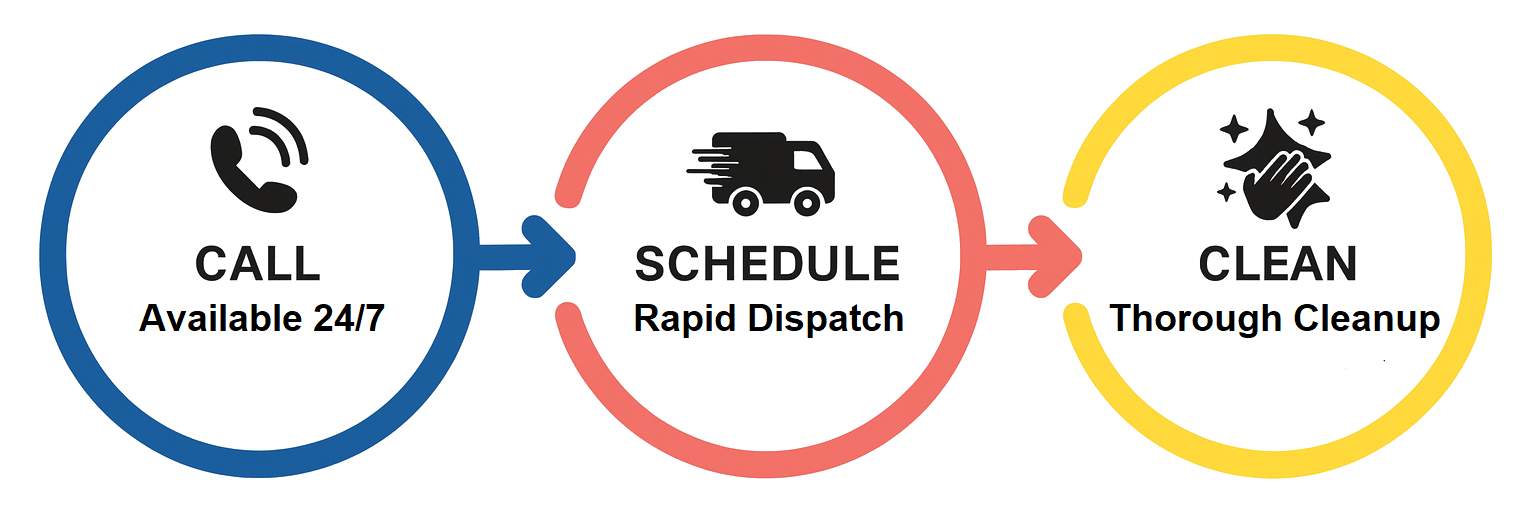
Every property and incident is different, but a responsible cleanup follows a clear sequence. The process begins with an assessment of the affected area, the type of contamination, and the materials involved. This allows the team to develop a safe work plan and provide a clear explanation of the next steps.
Securing and assessing the area
Before cleaning begins, technicians identify hazards and establish appropriate controls for the workspace. Depending on the situation, this may include limiting access, creating containment, and protecting unaffected areas from cross-contamination. The team documents affected materials and looks beyond the obvious scene to determine whether contamination has traveled into adjacent areas.
This first step is especially important after decomposition, water-related contamination, or incidents on carpeted floors. What appears to be a limited stain may have reached padding, subflooring, wall cavities, or furniture.
Removing contaminated materials
Materials that cannot be safely restored are removed and packaged for proper disposal. This can include carpet, padding, upholstery, mattresses, drywall, insulation, personal contents, or structural materials. The right approach is based on the material, the level of contamination, and the ability to fully clean and disinfect it.
A professional team should handle belongings with care. Some items may be salvageable through detailed cleaning, while others may need to be documented and removed. There is no one-size-fits-all answer, particularly when personal possessions have sentimental or financial value.
Cleaning, disinfecting, and odor treatment
After removal, technicians clean and disinfect all affected surfaces using methods appropriate to the incident. This is more thorough than a standard janitorial service. It may involve detailed cleaning of structural surfaces, treatment of hidden areas, odor remediation, and verification that the space is ready for the next phase.
Odor control deserves special attention. Fragrance sprays only cover a problem temporarily. Effective odor removal requires locating and treating the source. If the source remains in flooring, wall materials, or contents, the odor can return when temperatures or humidity rise.
Restoring the property
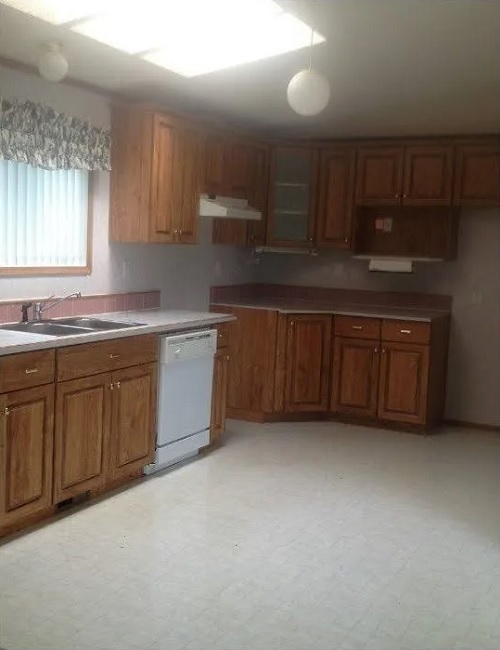
Cleanup is only part of the job when materials have been removed or the structure has been damaged. A full-service restoration provider can coordinate repairs such as replacing drywall, flooring, baseboards, paint, cabinetry, or other affected finishes. This helps property owners avoid the frustration of calling separate cleanup, repair, and reconstruction vendors during a stressful time.
For Texas property owners and managers, Renew Cleaning & Restoration can manage the process from inspection and cleanup through repairs and reconstruction. One accountable provider helps reduce delays, confusion, and gaps between the emergency work and the work needed to make the property whole again.
What to Do Before Help Arrives
If a biohazard situation is active or there is an immediate threat to health or safety, contact emergency services first. Once the area is safe to approach, keep people and pets away from the affected space. Avoid touching materials, moving belongings, or attempting to clean blood, bodily fluids, or unknown substances without proper protection.
If the incident may involve a crime scene, do not disturb the area until authorities have released it. Property owners should also avoid running fans or heating and cooling equipment that could move odors or contaminants into other parts of the building. When possible, make a note of the affected rooms and any materials that may have been exposed. That information can help the cleanup team act faster when they arrive.
It is understandable to want the situation handled immediately. Still, rushing into cleanup with inadequate supplies can create exposure risks and complicate the restoration work. The safer decision is to secure the area and call a qualified team that is prepared to respond.
Insurance, Privacy, and Practical Questions
Coverage for biohazard remediation varies by policy and by cause of loss. Some incidents may be covered under homeowners, commercial property, landlord, or other policies, while others may have limits or exclusions. A professional restoration provider can document the damage, identify the scope of work, and help provide the information an insurance carrier may request. Policyholders should still confirm coverage directly with their insurer.
Privacy also matters. Whether the incident occurred in a family home, rental property, workplace, or medical setting, the cleanup should be handled with discretion. Professional crews should arrive prepared, communicate clearly, and avoid unnecessary attention around the property.
Cost depends on several factors: the size of the affected area, the type of contamination, how long materials were exposed, what must be removed, disposal requirements, odor treatment, and the extent of repair needed afterward. A detailed inspection is the best way to understand the true scope. Be cautious of estimates that address only surface cleaning when contamination may have reached beneath it.
Choosing a Team That Can Finish the Job
A biohazard cleanup provider should be ready for more than the initial cleaning. Ask whether the company can respond quickly, contain the affected area, remove contaminated materials, manage odor issues, document the project, and complete the repairs that follow. For commercial properties, it is also helpful to confirm whether the team can work around operational needs and coordinate with facility managers, insurers, or other stakeholders.
The right team will explain the plan in plain language and treat the property with the same care they would want in their own home or workplace. You should not be left with a partially cleaned room, lingering odor, exposed subfloor, or a list of additional vendors to call.
When a property has been affected by trauma or contamination, the next step does not need to be another burden. A prompt, compassionate professional response can protect the people around the property and give you a clear path from a hazardous scene to a safe, restored space.