Choosing a Hoarding Cleaning Company in Texas
A hoarded property can reach a point where a family cleanup is no longer safe, practical, or emotionally possible. When that happens, choosing a hoarding cleaning company in Texas is not simply about hauling items away. It is about protecting the person involved, preserving what matters, addressing health risks, and getting the property back to a usable condition without adding more stress.
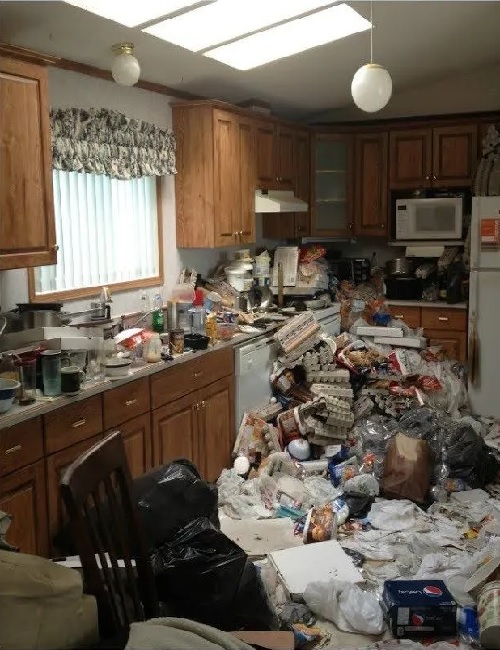
Hoarding conditions look different from one property to the next. One home may be packed with belongings but structurally sound. Another may involve blocked exits, animal waste, insects, mold, spoiled food, damaged flooring, strong odors, or water damage hidden beneath piles of materials. The right cleanup team knows how to assess the full situation before making promises about the scope, timeline, or cost.
What a Hoarding Cleaning Company in Texas Should Handle
A professional hoarding cleanup should begin with a private, respectful assessment. This is the time to identify access issues, sanitation concerns, salvageable belongings, potential biohazards, and damage that may require restoration after the contents are removed. A clear plan helps families, landlords, estate representatives, and property managers understand what happens first and what comes next.
Cleanup itself may involve sorting, bagging, removal, hauling, deep cleaning, odor treatment, and sanitization. But the work often goes further. Heavy contents can hide broken plumbing, pest activity, subfloor damage, mold growth, damaged drywall, or fire hazards. If a company only removes debris, the property owner may still be left coordinating separate vendors for cleaning, remediation, repairs, and reconstruction.
A full-service provider can take ownership of the project from inspection through final restoration. That matters when time is limited, the property needs to be sold or leased, or family members live out of town and cannot manage several contractors. One accountable team can keep the work moving and reduce the confusion that often follows a difficult cleanup.
Safety Comes Before Speed
Fast service is valuable, especially when a property is vacant, a move-out deadline is approaching, or conditions are worsening. Still, speed should never mean cutting corners. Hoarding cleanup can involve hazards that are not visible from the doorway.
Blocked hallways and doors can make emergency access difficult. Stacked contents may be unstable. Dust, rodent droppings, animal waste, sharp objects, spoiled materials, medication, and bodily fluids can create exposure risks. In some cases, mold, water damage, or decomposition odors require specialized remediation rather than ordinary cleaning products.
A capable crew uses appropriate protective equipment, controlled removal practices, and proper sanitation methods for the conditions present. They should also know when an issue falls outside routine cleaning and needs biohazard remediation, mold work, water mitigation, or structural repair. The goal is not to make the property look better for a day. It is to make it safer for occupancy, sale, renovation, or the next phase of care.
Compassion and Discretion Are Part of the Job
Hoarding is personal. It can involve grief, trauma, health challenges, family conflict, isolation, or years of accumulated belongings. The cleanup process should not begin with judgment, pressure, or careless disposal of meaningful property.
A respectful company works with the client or authorized decision-maker to establish priorities. That may include identifying documents, photographs, heirlooms, jewelry, legal records, financial papers, firearms, medications, or items with clear sentimental value. Not every item can be saved, and difficult decisions may still be necessary. But a careful process gives people a chance to preserve what is truly important before removal begins.
Discretion also matters for neighbors, tenants, employees, and relatives. Professional teams arrive prepared to work efficiently without turning a private situation into a public spectacle. For estate cleanouts and rental properties, that level of professionalism can protect relationships as well as the condition of the property.
Ask About the Work After Removal
The visible contents are often only the first layer of the project. Once rooms are cleared, the real condition of the property becomes clear. This is where a basic junk removal service and a restoration company can differ significantly.
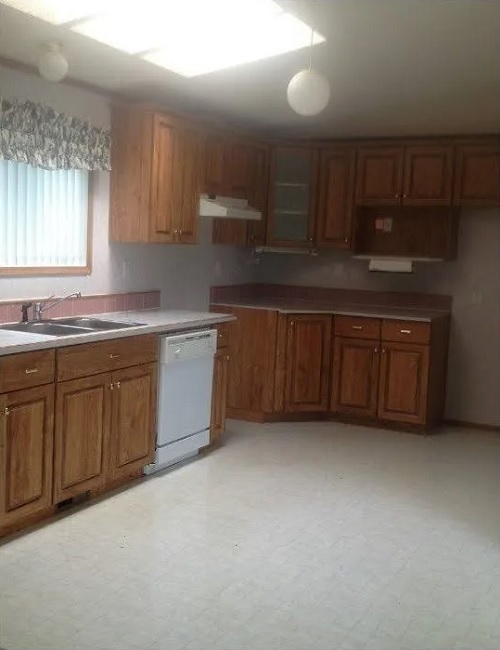
After contents are removed, ask whether the company can address the cleaning and repairs that may follow. Depending on the property, this can include deep cleaning, disinfection, odor removal, carpet and flooring removal, mold remediation, drywall repair, painting, plumbing repairs, rebuilding damaged areas, and final move-in or listing preparation.
It depends on the property and the intended outcome. A family preparing a home for a loved one to return may need a phased cleanup with specific items retained. A landlord may need sanitation, repair, and turnover work completed quickly before the next tenant. An estate representative may need the home cleaned, restored, and ready for sale. The best plan is built around the actual objective, not a one-size-fits-all package.
Get a Clear Scope and Honest Estimate
Hoarding cleanup pricing depends on volume, labor, access, disposal needs, hazards, and the amount of cleaning or restoration required. Be cautious with estimates given without an assessment, especially when the property may have hidden damage or health concerns.
A useful estimate explains what is included: labor, removal, disposal, cleaning, sanitization, odor treatment, specialty remediation, and any repair or reconstruction work. If the scope may change after rooms are cleared, the company should explain how those changes will be documented and approved.
For insurance-related situations, documentation can be especially helpful. Photos, itemized work scopes, and clear communication support property owners, adjusters, and managers as they evaluate covered damage. Not every hoarding cleanup is an insurance claim, but hidden water damage, fire damage, mold, or biohazard conditions may create separate restoration needs that deserve professional review.
Why One Provider Can Make a Difficult Project Easier
Coordinating a hauler, cleaning crew, mold company, odor specialist, contractor, and painter can slow down an already stressful project. It also creates gaps in responsibility. If odor remains after cleaning or damaged flooring is found after removal, property owners can be left figuring out who handles the next step.
An end-to-end restoration provider reduces that burden. The same team can inspect the property, manage cleanup, remove unsalvageable materials, treat contamination and odors, identify damage, and complete repairs or reconstruction as needed. That approach is especially valuable for urgent situations and out-of-area families who need reliable updates and a single point of contact.
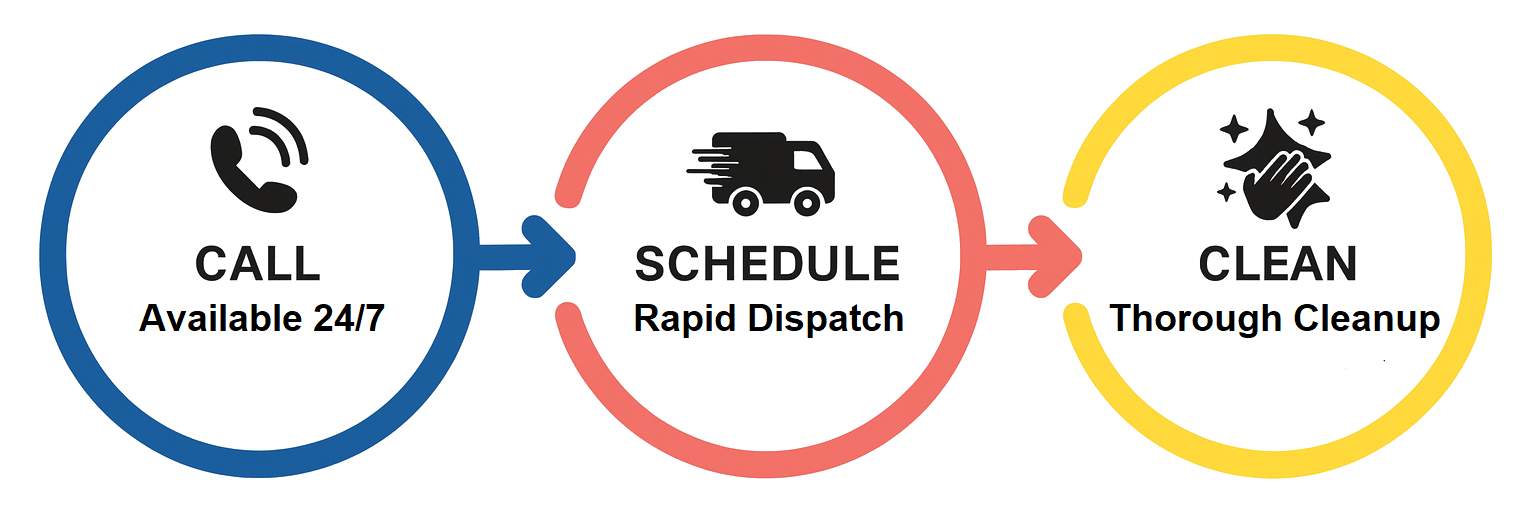
Renew Cleaning & Restoration provides this kind of complete project handling across Texas, with trained teams available 24/7 for urgent cleanup and restoration needs. From the first assessment through final cleaning and repair, the focus stays on respectful service, safe working conditions, and a clear path back to a functional property.
When to Call for Professional Help
It is time to bring in a professional when the property has blocked exits, strong odors, pests, animal waste, mold, spoiled food, bodily fluids, structural damage, or more contents than the family can safely sort and remove. It is also reasonable to call when the emotional weight of the work has become too much. Getting help is not a failure. It is a practical decision that protects people and gives the property a real chance to recover.
The first call does not require every answer. A qualified team can help assess the condition, explain the options, and build a plan that respects the people involved while moving the property toward a clean, safe next chapter.