More Clutter Than I Can Handle? Start Here
A room can become unmanageable slowly: a few boxes saved for later, furniture that never found a place, bags set aside after a move, or belongings left behind after a loss. Then one day, the thought is clear: there is more clutter than I can handle. That realization can feel embarrassing, but it is also a useful turning point. You do not have to solve the entire property in one exhausting weekend, and you do not have to face an unsafe cleanup alone.
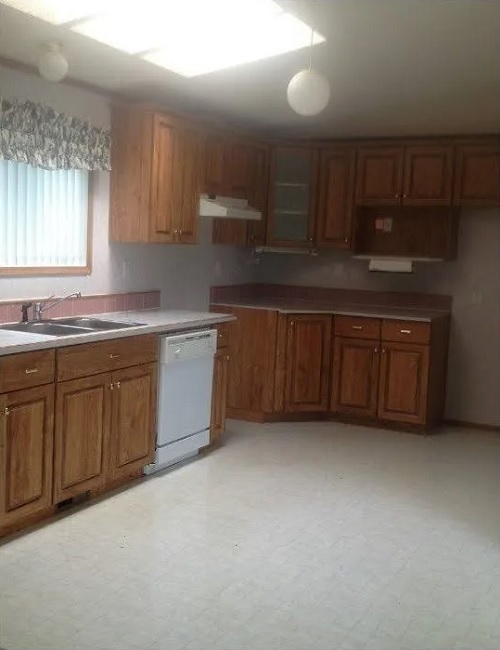
When clutter affects access, sanitation, health, or a property’s ability to be repaired or sold, the goal is bigger than getting things organized. The goal is to make the space safe, functional, and manageable again.
When More Clutter Than I Can Handle Becomes a Safety Issue
Not every crowded home needs a professional cleanup crew. A closet full of seasonal items or a garage that needs sorting may be manageable with time, help from family, and a clear plan. The situation changes when the volume of belongings prevents normal use of the home or creates conditions that could harm people, pets, or the building itself.
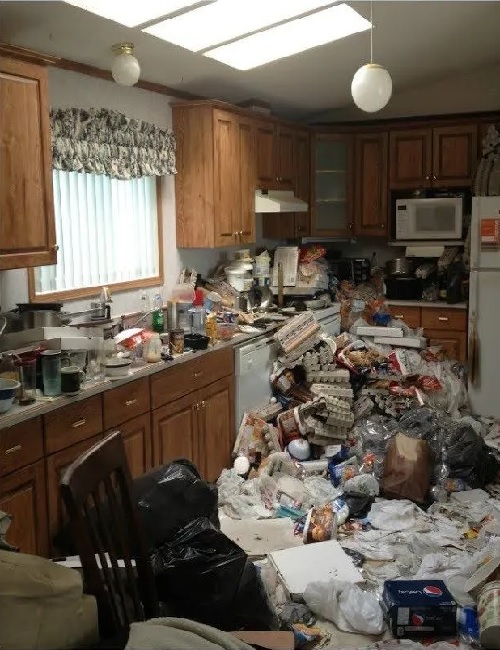
Watch for blocked exits, narrow or unstable walkways, inaccessible kitchens or bathrooms, pest activity, strong odors, visible mold, spoiled food, animal waste, standing water, or damaged flooring and walls hidden beneath contents. These are not simply housekeeping concerns. They can involve fire hazards, falls, contamination, moisture damage, and structural issues that require trained handling.
Clutter can also complicate an emergency. If a pipe bursts, a fire occurs, or a loved one needs medical care, first responders and restoration technicians need a safe path into the property. Addressing the conditions before a crisis gives everyone a better chance to protect the home and the people in it.
Start With Safety, Not a Perfect Organization System
The pressure to make fast decisions often causes people to freeze. Instead of trying to decide the fate of every item, begin by identifying what must be protected and what must be made safe.
Keep essential documents, medications, keys, legal papers, photos, and clearly valuable items in a designated safe area. If you are cleaning with family members, agree that no one will remove personal papers, jewelry, cash, firearms, or sentimental belongings without a clear process for documenting and reviewing them.
Next, create safe access. A clear route from exterior doors to major rooms and bathrooms is more valuable than a perfectly organized shelf. Do not climb unstable piles, move overloaded furniture alone, or reach into areas where pests, sharp objects, bodily fluids, or unknown substances may be present. Close off rooms that feel unsafe until they can be assessed properly.
This is especially important in estates, rental properties, and homes belonging to an aging relative. Family members may be emotionally invested in the contents, while the property may have damage that cannot wait. A careful process respects both realities.
Why “Just Throw It Away” Is Rarely the Right Plan
A large cleanup has practical and emotional layers. People may keep items because of grief, trauma, financial uncertainty, disability, isolation, or a sincere belief that the items will be useful later. Telling someone to simply discard everything can increase distress and delay the work.
There are also legal and logistical reasons to proceed carefully. Estate property may need to be reviewed before disposal. A landlord may need photo documentation. Insurance claims can require records of damaged contents. Electronics, chemicals, paint, medications, appliances, and other materials may need specialized disposal instead of going into a standard trash container.
A professional team can help establish categories for keep, donate, recycle, dispose, and document. Still, there is a trade-off: the more time spent reviewing individual items, the longer the project may take. The right pace depends on the condition of the property, deadlines, health concerns, and who has authority to make decisions.
What Professional Clutter and Hoarding Cleanup Can Include
When conditions go beyond ordinary cleaning, a full-service cleanup provider can take responsibility for the work from assessment through final restoration. That matters because removing contents may reveal problems that were not visible at first, including leaks, mold growth, damaged subfloors, pest contamination, or persistent odor.
A professional project may include:
- Initial inspection, scope planning, and a clear estimate
- Sorting support and documentation for designated belongings
- Removal, hauling, and appropriate disposal of unwanted contents
- Deep cleaning and disinfection of affected rooms
- Biohazard or animal-waste remediation when needed
- Odor treatment, mold remediation, and pest-related cleanup coordination
- Water, fire, or smoke damage mitigation discovered during clearing
- Repairs and reconstruction for damaged surfaces, rooms, or structures
The advantage of an end-to-end approach is accountability. You should not have to find one company to empty the property, another to address contamination, and another to repair the damage revealed after cleanup. One coordinated plan reduces delays and gives you a single point of contact.
A Practical Way to Prepare for Cleanup Day
You do not need to clean before calling for help. In fact, trying to hide the condition of the property can make it harder to identify risks and provide an accurate estimate. Honest information helps the crew arrive prepared with the right equipment, protective gear, disposal plan, and staffing level.
Before the appointment, write down any deadlines. These might include a home sale, lease turnover, inspection, insurance claim, hospital discharge, renovation schedule, or estate settlement. Let the team know if there are pets, occupants, weapons, medical waste, pests, moisture damage, or rooms that have not been entered recently.
If someone is living in the home, make a plan for where they will be during the work. Cleanup can be noisy and emotionally difficult. It may be better for a family member, advocate, or trusted friend to be available for decisions while giving the resident space from the active work area.
Take basic photos only if it is safe to do so and documentation is needed. Do not move materials around just to create better pictures. Safety comes first.
More Clutter Than I Can Handle Does Not Mean Failure
The phrase can sound final, but it is actually the beginning of a workable decision. It means the task has outgrown the time, tools, physical ability, or emotional bandwidth available to you right now. That is a reason to bring in support, not a reason for shame.
For property managers and landlords, early action can limit vacancy time, prevent odors or pests from affecting neighboring units, and reveal maintenance issues before they become larger claims. For homeowners and families, it can restore usable rooms, protect health, and reduce the risk of an avoidable emergency. For estate representatives, a structured cleanup can move a difficult property toward sale, repair, or transfer with appropriate care.
Renew Cleaning & Restoration handles sensitive cleanup projects with discretion and practical ownership, from the first inspection through removal, sanitation, repairs, and reconstruction when needed. For urgent conditions, a trained response team can assess the property and explain the next steps without judgment.
You do not need to have every answer before asking for help. Start with the safest next step: make the call, explain what you are seeing, and let a capable team help turn an overwhelming space into a property you can use again.