How Hoarding Affects Family Relationships
A family may first notice the change in small ways: the dining table can no longer be used, a hallway narrows, or visits become difficult to arrange. Over time, the home can become the center of every conversation and every argument. Understanding how hoarding affects family relationships helps loved ones respond with more patience, clearer boundaries, and a practical plan for safety.
Hoarding is not simply a preference for keeping things or a failure to clean. People may hold onto belongings because of grief, anxiety, trauma, financial fear, or a powerful belief that an item could be useful later. Families often see the unsafe conditions before the person does, which can create a painful gap between concern and cooperation.
When Concern Turns Into Conflict
At first, relatives may offer to help sort, organize, or remove a few items. When those offers are declined, the tone can shift. A spouse may feel ignored in their own home. Adult children may feel responsible for a parent’s safety while also feeling shut out. Siblings may disagree over what action is appropriate, especially when an aging parent, estate, or shared property is involved.
Arguments usually focus on possessions, but the deeper issue is often trust. The person living with hoarding conditions may hear every request to remove something as criticism, rejection, or a threat to their control. Loved ones may hear every refusal as proof that their concerns do not matter. Both sides can feel unheard.
Pressure rarely resolves that conflict on its own. Surprise cleanouts, throwing away belongings without permission, or using shame to force action can damage trust and make future help harder to accept. That does not mean a family should ignore serious hazards. It means the conversation should separate the person from the condition: “I care about you, and I am worried about the blocked exits,” is more productive than “You have ruined this house.”
How Hoarding Affects Family Relationships at Home
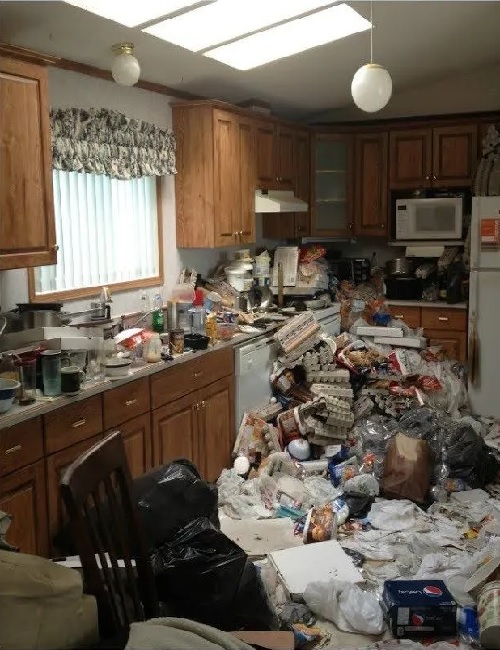
Hoarding changes how a household functions. Rooms lose their purpose, shared routines disappear, and everyday tasks take more time. Cooking may become difficult when counters and appliances are inaccessible. Laundry, bathing, sleeping, and moving safely through the home can all be affected.
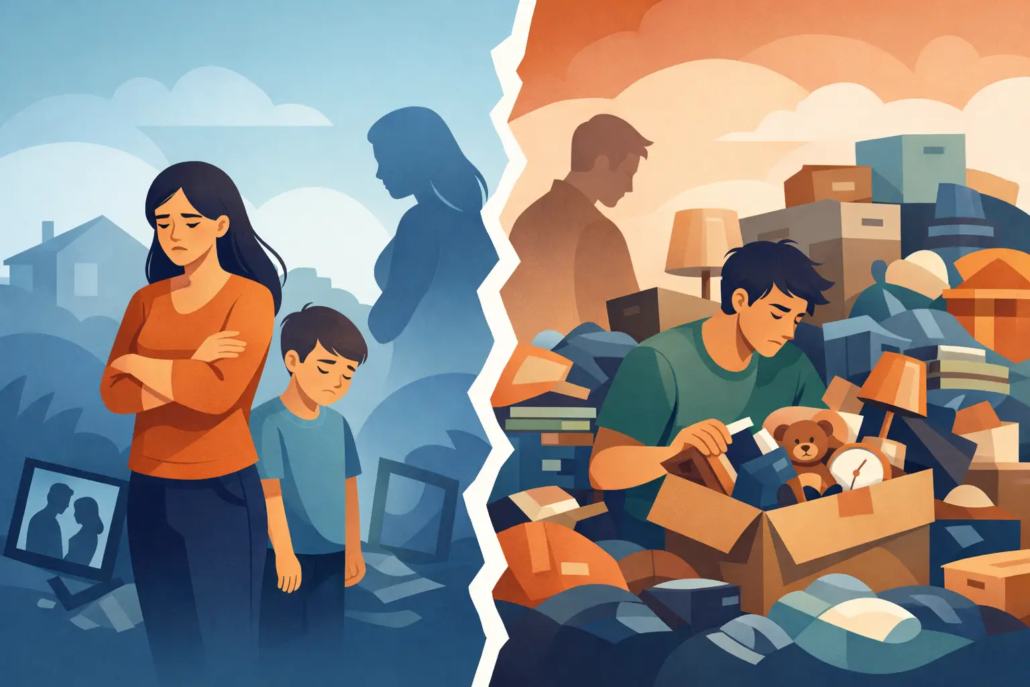
For a spouse or partner, this can feel like living without equal say in a shared space. They may sleep separately, avoid bringing up concerns to prevent another fight, or consider moving out. Financial strain can add another layer. Missed repairs, pest activity, damaged flooring, code issues, or lost rental income may leave family members frustrated and afraid of what comes next.
Children and teenagers can be especially affected. They may avoid inviting friends over, worry that classmates will find out, or feel embarrassed by conditions they did not create. Some take on adult responsibilities too early, trying to clean around the clutter or protect a parent from outside attention. Others distance themselves from home entirely. These reactions are not a lack of love. They are often ways of coping with stress and uncertainty.
Isolation Can Become Part of the Problem
Hoarding often makes social connection harder. Holidays, birthdays, repairs, and routine visits become complicated when there is no safe, usable space for guests. The person who hoards may stop answering calls because they fear a visit or feel ashamed about the condition of the property. Family members may also withdraw because they do not know what to say or are exhausted by repeated conflict.
That isolation can reinforce the cycle. Fewer visitors can mean fewer outside perspectives, less practical support, and less motivation to address growing risks. Relatives who live far away may not understand the severity of the situation until a medical event, property inspection, eviction notice, or emergency brings it into view.
A calm, specific approach can help reopen communication. Instead of arguing about whether the home is “too cluttered,” talk about observable conditions: a blocked front door, an unusable bathroom, a leaking pipe that cannot be reached, or a room that cannot be safely entered. Safety-based conversations give the family a shared reason to act without turning the discussion into a judgment of someone’s character.
Safety Risks Raise the Stakes
Not every cluttered home requires a specialized cleanup, and families should avoid diagnosing someone based on appearances alone. But when accumulated items block walkways or exits, conceal damage, create fall hazards, attract pests, or interfere with plumbing, electrical systems, heating, and cooking, the situation can become urgent.
Fire is a major concern in heavily packed spaces. Firefighters may have trouble entering, occupants may have trouble leaving, and heat can spread rapidly around combustible materials. Water leaks can go unnoticed beneath belongings, leading to mold, structural damage, and stronger odors. Animal waste, spoiled food, sharps, medications, and biohazards may require trained handling rather than a family cleanup day.
These risks affect relationships because loved ones may feel forced into impossible choices. They may want to respect privacy but fear an injury. They may want to preserve family peace but need to protect children, tenants, neighbors, or an elderly relative. In some cases, setting a boundary is an act of care. A family member can say they will help arrange professional support, but cannot allow children to stay in an unsafe home or continue covering costs caused by preventable damage.
What Helpful Support Looks Like
A productive response combines compassion with clear limits. Start by listening for the concerns behind the belongings. Is the person afraid of waste, grieving a loss, worried about money, or embarrassed to let anyone see the home? You do not have to agree with every decision to acknowledge that the feelings are real.
Then focus on one practical priority. It may be clearing an exit, restoring access to a bathroom, addressing a pest problem, or making room for an essential repair. A whole-house plan can feel overwhelming, while one safety goal can create momentum. If the person is open to it, a mental health professional with experience in hoarding behaviors can be an important part of long-term support.
Families should also be honest about what they can handle. Sorting emotionally charged possessions, lifting heavy items, and working around unsanitary conditions can be physically and emotionally draining. Trying to manage a large cleanup alone can lead to injuries, family fights, or rushed decisions that cause lasting regret.
Professional Cleanup Can Protect Dignity and Progress
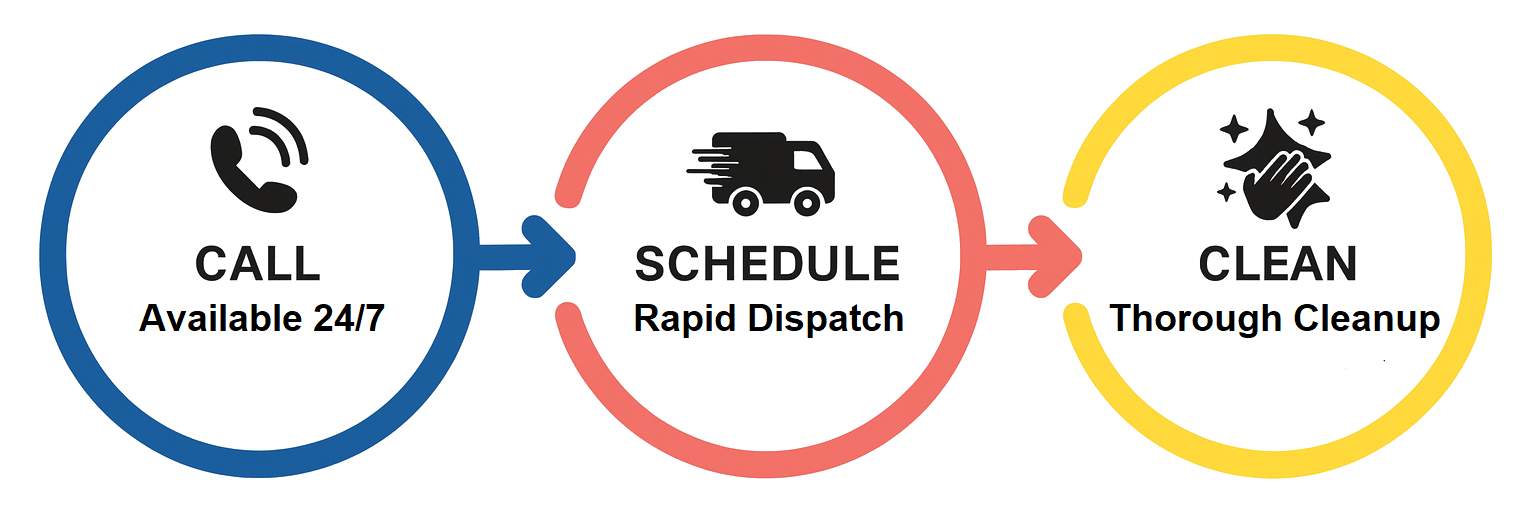
Professional hoarding cleanup is not a substitute for therapy or family communication. It does, however, remove a major barrier: the unsafe, overwhelming condition of the property. The right crew works with discretion, follows an agreed scope, and treats the home and its occupants with respect.
For homes with significant debris, odors, contamination, pests, water damage, or hidden structural problems, an end-to-end provider can make the process less burdensome. Cleanup may reveal damaged subfloors, mold, plumbing leaks, or areas needing repair. Coordinating removal, sanitation, remediation, repairs, and reconstruction through one accountable team prevents families from having to manage several vendors during an already difficult time.
Renew Cleaning & Restoration helps Texas families handle sensitive cleanup projects with trained professionals, clear estimates, and a complete path from inspection through restoration. When conditions present an immediate health or fire risk, the first priority is safety. If someone is in immediate danger, contact emergency services.
The goal is not to win an argument or create a picture-perfect home overnight. It is to make room for safety, honesty, and connection again. A respectful conversation, one firm boundary, and the right practical help can give a family a place to begin.