Am I a Hoarder? Signs It’s Time to Get Help
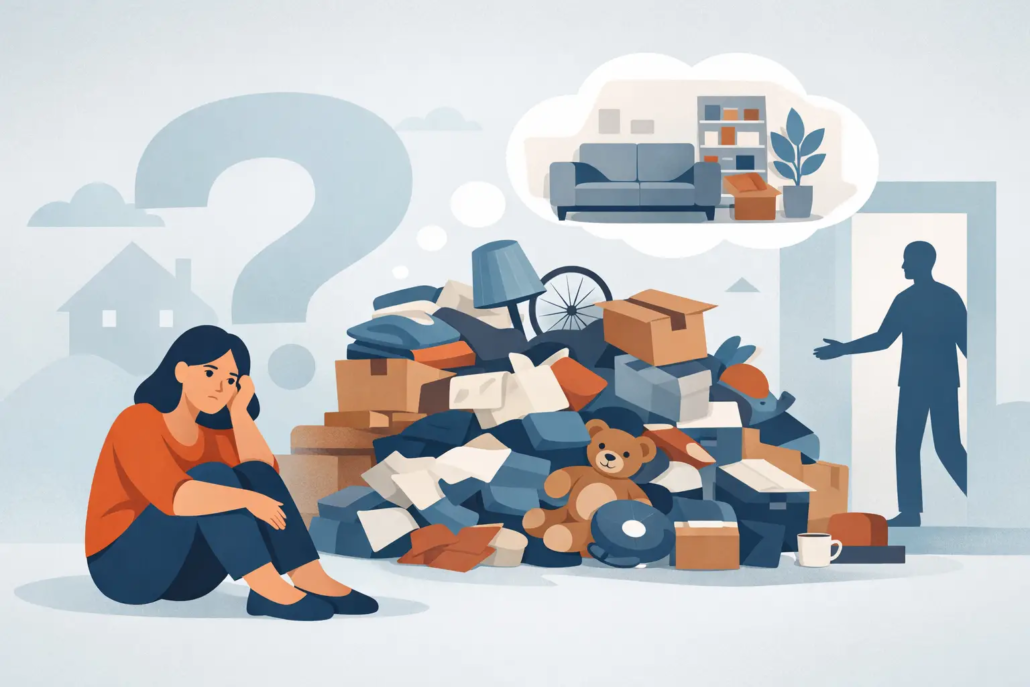
A stack of mail on the counter does not mean you have a hoarding problem. Neither does a crowded garage, an overfull closet, or a house that got away from you during a hard season. But if you keep asking, “am i a hoarder?” because belongings are limiting how you live, creating safety risks, or causing ongoing distress, that question deserves a calm and honest look.
Hoarding is not a character flaw, laziness, or something solved by telling someone to “just throw things away.” It can involve powerful emotional attachment, grief, anxiety, trauma, depression, or the fear of needing an item later. The practical issue is not whether a home looks perfect. It is whether the space is safe, functional, and manageable for the person living there.
Am I a Hoarder? Start With How the Home Functions
Clutter becomes a serious concern when it changes the way essential rooms can be used. Can you sleep in your bed, cook in the kitchen, bathe safely, and enter or leave the home without moving piles of belongings? If the answer is often no, the condition may require more than a weekend of organizing.
A clinical diagnosis of hoarding disorder can only come from a qualified mental health professional. Still, you do not need a diagnosis to address unsafe conditions. A family member, landlord, estate representative, or property manager may also recognize a problem before the person living in the home is ready to name it.
Consider whether these patterns are present:
- You feel intense anxiety, guilt, or panic when asked to discard ordinary items, even items with no clear use or value.
- Rooms, hallways, stairs, doors, or exits are blocked by possessions.
- The volume of belongings prevents normal cleaning, cooking, sleeping, bathing, or home maintenance.
- You avoid having visitors, maintenance workers, or loved ones inside because you feel embarrassed about the condition of the home.
- Paper, food, trash, containers, clothing, or other items continue to accumulate despite repeated plans to clean up.
- The home has pests, persistent odors, mold, animal waste, spoiled food, or other sanitation concerns.
One or two signs do not automatically define someone as a hoarder. The bigger question is the impact. When possessions begin to take priority over health, safety, housing stability, or relationships, it is time to seek support.
The Difference Between Clutter and Hoarding Conditions
Many homes become cluttered temporarily. A move, new baby, illness, caregiving responsibilities, a death in the family, or a demanding job can leave belongings piled up for a while. In a cluttered home, the owner can usually sort, clean, and restore the space with time, supplies, and some help.
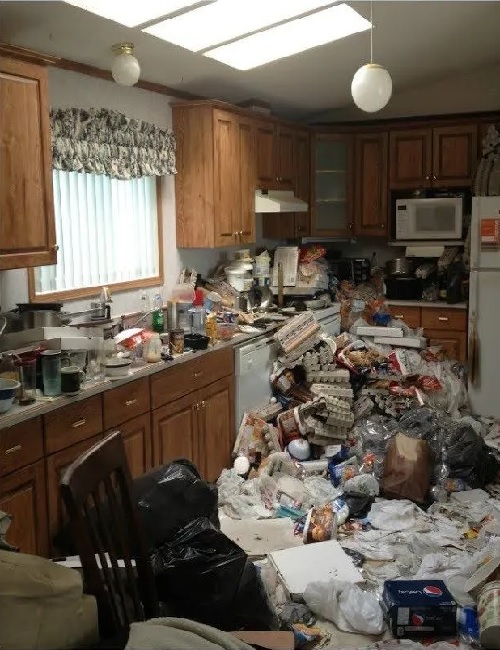
Hoarding conditions are usually more persistent and more disruptive. The volume may be severe enough to block access to appliances, plumbing fixtures, exits, or HVAC vents. Cleaning may no longer be possible because surfaces cannot be reached. There may be structural concerns from excess weight, leaks hidden by contents, or damage that has gone unnoticed for years.
There is also an emotional difference. Someone with ordinary clutter may feel frustrated but able to make decisions. Someone facing hoarding behavior may experience serious distress at the thought of discarding items or allowing others to touch them. Pressuring that person, removing belongings without discussion, or treating the situation as a source of shame can make the problem harder to address.
When a Cleanup Becomes a Health and Safety Issue
The most urgent concerns are not cosmetic. Blocked exits can make it harder to escape during a fire or for first responders to enter during a medical emergency. Narrow pathways raise the risk of falls, especially for older adults or anyone with mobility limitations.
Food waste, standing water, pet waste, rodents, insects, and damaged materials can introduce bacteria, allergens, and strong odors. Mold may develop behind stacks of boxes or furniture where water damage is hidden. In severe cases, urine, feces, decomposition, needles, or other biohazards call for trained handling rather than household cleaning products.
Texas heat can make these conditions worse. A home with a failed air conditioner, moisture problems, or spoiled food can become unsafe quickly, particularly when ventilation is blocked or utilities are not working properly. If there is fire damage, flooding, extensive mold, animal waste, or biohazard exposure, do not try to sort through everything alone before assessing the hazard.
If immediate danger is present, such as a blocked exit, active leak, electrical issue, infestation, or hazardous waste, prioritize safety first. Leave the affected area when necessary, contact emergency services for an immediate threat, and bring in qualified help for remediation and property damage.
How to Ask for Help Without Losing Control
The idea of a cleanup can feel overwhelming because people worry that everything will be removed without consent. A respectful process should be planned, paced, and clear about what happens next. The goal is to restore safe use of the property, not to judge the person who lives there.
Start with one practical objective. That might be clearing a safe path from the front door to the bathroom, making the kitchen usable, preparing a property for sale, or addressing sanitation in one room. A smaller, defined objective is often more manageable than trying to solve an entire home in one day.
For sentimental items, important records, photographs, valuables, and legal documents, identify a review process before removal begins. Families should agree on who can make decisions, especially when handling an estate or helping an older relative. If the resident is able to participate, their preferences should guide the process whenever safety allows.
Mental health support can be just as valuable as cleaning support. A therapist or counselor familiar with hoarding behavior can help address the emotional side of discarding and reduce the chance that unsafe accumulation returns. Cleanup creates room to live safely. Ongoing support helps make that change last.
What Professional Hoarding Cleanup Can Handle
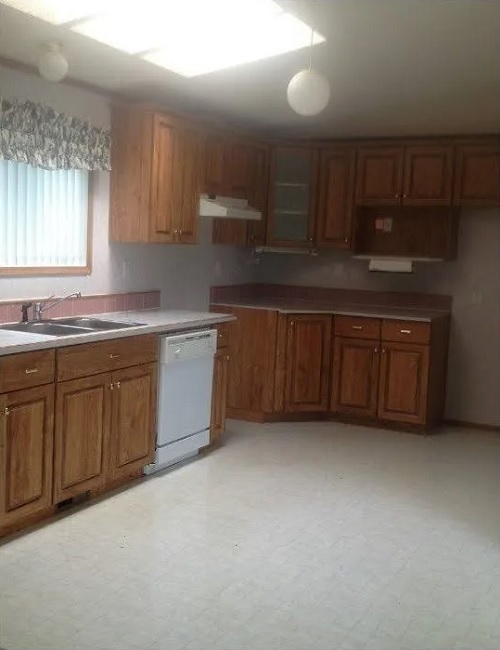
Professional help is useful when the scale, sanitation risks, physical labor, or property damage exceed what a family can safely manage. A trained cleanup team can assess access issues, separate waste and damaged materials, remove contents, address odors, and clean affected surfaces using appropriate protective measures.
The work may also reveal problems that need attention after the contents are removed. Flooring can be damaged by moisture or animal waste. Walls may need cleaning or repair. Mold, plumbing leaks, fire hazards, pest activity, and contaminated materials may require remediation. That is why a one-provider approach can reduce the stress of coordinating multiple companies during an already difficult time.
Renew Cleaning & Restoration handles sensitive cleanup projects with discretion and can coordinate removal, sanitation, odor treatment, remediation, repairs, and reconstruction when the property needs more than basic cleaning. For families and property representatives, having one accountable team can make a complicated situation feel more manageable.
If You Are Helping a Family Member
Lead with concern for safety, not criticism of their belongings. “I’m worried about the stairs being blocked” is more productive than “This house is a mess.” Avoid surprise cleanouts unless there is an immediate health or safety emergency. Removing possessions without agreement can damage trust and may lead to more accumulation later.
Be specific about the next step. Offer to schedule an assessment, help locate important documents, or work together on one access path. If housing, code compliance, a lease, or a real estate deadline is involved, explain the timeline honestly while keeping the conversation respectful.
A home can reach a difficult point for many reasons, and it can be restored one decision at a time. Asking “am i a hoarder?” is not an admission of failure. It can be the first practical step toward a safer home, clearer choices, and support that treats both the property and the person with respect.