Estate Recovery When Property Is Hoarded
A home can hold a lifetime of belongings, but estate recovery when property is hoarded is rarely as simple as renting a dumpster and clearing rooms. Family members may be grieving, an executor may be facing a sale deadline, and the property itself may have hidden damage under years of accumulated items. The right approach protects people, preserves important assets, and gets the home safely ready for its next use.
Hoarded estate cleanup requires patience as much as labor. What looks like clutter can contain deeds, wills, photographs, financial records, jewelry, military documents, or items with real resale value. At the same time, delaying too long can allow odors, pests, mold, leaks, or structural damage to worsen. A structured recovery plan gives the estate representative a clear path forward without treating the property or its history carelessly.
Why hoarded estate recovery needs a different plan
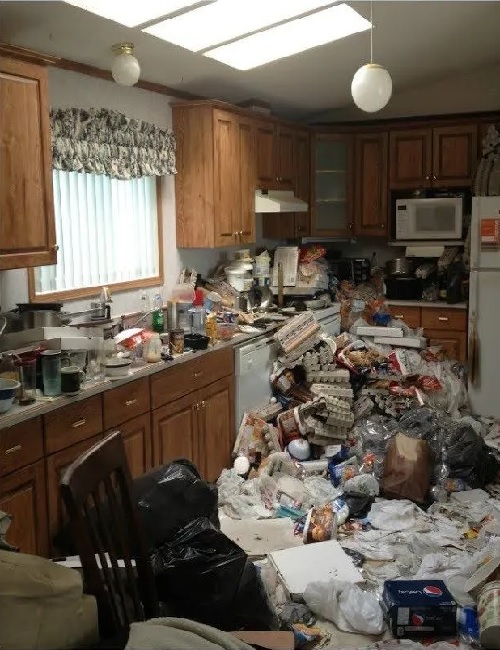
A standard move-out clean assumes rooms are accessible, surfaces can be reached, and most belongings can be sorted quickly. A hoarded property often presents a very different set of conditions. Hallways may be blocked, exits may be restricted, and boxes or bags may conceal damaged flooring, plumbing failures, animal waste, spoiled food, or hazardous materials.
The emotional stakes are different, too. A family may disagree about what should be kept, donated, sold, or discarded. Executors have a duty to protect estate property, while heirs may need time to review sentimental items. Moving too fast can create conflict. Moving with no plan can create greater expense and delay probate, repairs, listing, or occupancy.
The first goal is not to make the home look empty. It is to make it safe, accessible, and manageable enough to evaluate. That may mean creating clear pathways, securing unstable stacks, identifying active water damage, and separating obvious documents and valuables before major removal begins.
Start with authority, safety, and a realistic scope
Before anyone begins sorting, confirm who has legal authority to make decisions for the estate. This may be an executor, administrator, trustee, attorney, or a family member acting with documented permission. Cleanup crews should know who can approve removal decisions, authorize repairs, and receive recovered documents or valuables.
Next, arrange a professional walkthrough. A thorough inspection identifies the conditions that affect both safety and cost: the volume of contents, access points, pest activity, odors, moisture, visible mold, damaged fixtures, and areas that may require demolition or restoration. Photos and a written scope also help estate representatives communicate clearly with insurers, attorneys, family members, and real-estate professionals.
Do not send relatives into a severely impacted home without proper precautions. Even a property that appears dry can contain airborne dust, rodent droppings, insect activity, sharp objects, unstable piles, medication, chemicals, or biological contamination. Common concerns include:
- Blocked exits and trip hazards that make emergency access difficult
- Mold growth or water damage hidden behind stored belongings
- Animal waste, spoiled food, insects, or rodent contamination
- Needles, broken glass, chemicals, and improperly stored medications
The level of protection and remediation depends on what is found. Some homes need careful content removal and deep cleaning. Others need biohazard cleanup, odor treatment, mold remediation, water mitigation, or reconstruction after the contents are removed. Assuming all hoarding situations require the same service can lead to underestimating the project.
A careful sorting process prevents costly mistakes
In estate recovery, disposal should be the final decision, not the first one. Establish a sorting protocol before cleanup begins. Designated areas can be used for documents, family keepsakes, possible valuables, donation items, recycling, and disposal. The executor should decide in advance who is allowed to review personal papers and how questionable items will be handled.
Important records are often found in unexpected places: between books, in kitchen drawers, under furniture, inside clothing, or mixed into bags of paper. A trained team can work systematically by room and container type rather than clearing everything into a single pile. This improves accountability and makes it easier to return identified records or valuables to the estate representative.
Not every item can or should be saved. Moisture-damaged paper, pest-contaminated textiles, broken furniture, and porous items affected by biohazards may be unsafe to retain. The trade-off is difficult, especially when an item has sentimental value. When contamination is present, protecting the people handling the estate must come first.
For families who want to sell selected items, it is often helpful to remove and secure potential valuables before the larger cleanup begins. An estate sale professional, appraiser, or auction provider can then advise on marketable pieces. This can be worthwhile when there are identifiable collections or quality furnishings, but it may not be cost-effective for heavily damaged, low-value contents. A realistic assessment avoids postponing essential cleanup for items that cannot be sold.
Estate recovery when property is hoarded: the work after removal
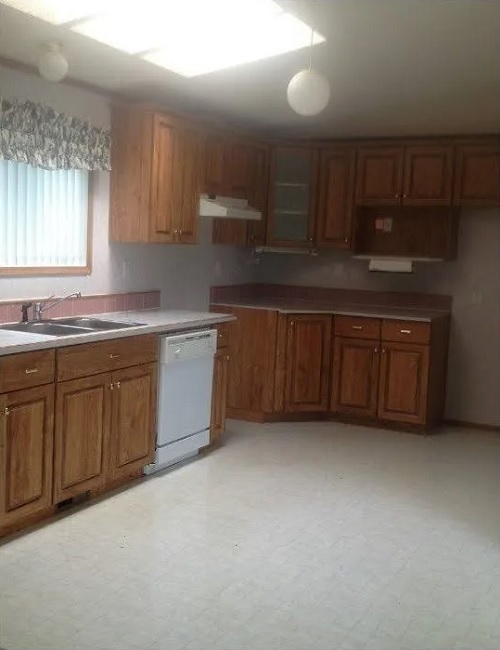
Once rooms are cleared, the real condition of the property becomes visible. This is when hidden problems commonly appear: stained subfloors, damaged drywall, pet-related contamination, mold behind stored boxes, plumbing leaks, missing sections of flooring, or fire and smoke damage that was covered by belongings.
A complete recovery plan should carry the project beyond hauling. Depending on the inspection findings, the property may need sanitation, odor removal, mold remediation, water damage drying, pest-related cleaning coordination, demolition, surface repairs, painting, flooring replacement, or full reconstruction. Handling these stages through separate vendors can slow the estate down and create gaps in responsibility.
An all-in-one restoration provider can manage inspection, cleanup, removal, mitigation, repair, and reconstruction under one project plan. That matters when a home must be prepared for sale, transferred to an heir, returned to a landlord, or made safe for a family member to occupy. Renew Cleaning & Restoration handles complex property recovery across Texas with a focus on discreet work, clear communication, and complete project ownership.
Odor deserves particular attention. Covering a hoarding-related odor with fragrance does not solve the cause. Effective odor removal begins with removing contaminated contents and cleaning affected materials. In some cases, porous building materials must be removed because odor sources have penetrated carpet, padding, subflooring, drywall, or insulation. The right solution depends on the source, duration, and extent of contamination.
How to manage timing, costs, and property value
Estate representatives are often under pressure to act quickly, but speed should not mean skipping documentation or safety assessment. If the property will be sold, a clean, accessible home allows an agent or investor to evaluate it accurately. If repairs are needed, completing them before listing may improve marketability, though the best choice depends on the local market, the home’s condition, and the estate’s financial goals.
Ask for an itemized scope that distinguishes content removal, sanitation, remediation, repairs, and reconstruction. This makes it easier to prioritize work if the estate needs to phase the project. For example, the first phase may focus on access, records recovery, and hazardous conditions. A second phase may cover deep cleaning and odor treatment, followed by repairs required for sale or occupancy.
Insurance may help when there is a covered loss such as a sudden water event or fire damage, but ordinary accumulation and long-term neglect are not automatically covered. Preserve evidence of any active damage, communicate with the carrier before major demolition when a claim may be involved, and keep invoices and photographs organized for estate records.
Discretion also has value. Hoarding conditions can expose private family circumstances, financial documents, and personal effects. A professional crew should use respectful communication, controlled access, and a plan for sensitive materials. The work is not about judgment. It is about restoring a property to a safe, usable condition while treating the estate and the people involved with respect.
When the home feels overwhelming, start with one practical decision: choose a qualified team to inspect the property and create a written plan. A clear first step can turn a difficult estate obligation into a project with a safe path forward.