So Much Clutter, So Little Time? Start Here
A packed garage is one thing. A home, rental, or business space that has become difficult to walk through, clean, sell, repair, or safely occupy is another. When it feels like there is so much clutter, so little time, the pressure to fix everything at once can make it harder to begin. The right first step is not a marathon sorting session. It is a realistic plan that protects people, property, and the items that truly matter.
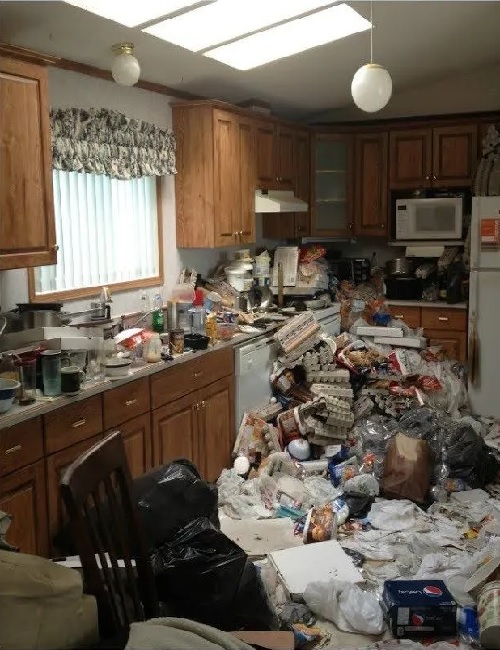
Clutter can build up for ordinary reasons: a move, an inherited property, a tenant turnover, a busy season at work, illness, grief, or years of putting off a difficult task. It can also hide more serious conditions, including mold, pests, animal waste, water damage, sharp objects, blocked exits, or unsafe structural damage. Knowing the difference helps you choose a cleanup approach that is productive instead of overwhelming.
So Much Clutter, So Little Time: Start With Safety
Before moving boxes, furniture, bags, or debris, take a slow look at the space. Can doors open fully? Are hallways and stairs clear enough to use? Is there a smell of mold, sewage, smoke, decay, or chemicals? Do you see signs of rodents, insects, leaking pipes, damaged ceilings, or exposed wiring?
If any of these conditions are present, do not treat the project as routine decluttering. A crowded space can conceal hazards that become airborne or spread when disturbed. Water-damaged materials, animal waste, spoiled food, needles, broken glass, and unknown substances require appropriate protective equipment, containment, disposal, and sanitation procedures.
There is also an emotional safety component. If the items belong to a parent, family member, former tenant, or someone going through a crisis, avoid rushing decisions or treating the person as the problem. Compassion and boundaries can exist together. The goal is to restore a safe, usable property while preserving dignity and important belongings.
Define What “Done” Needs to Look Like
People often lose time because the goal is too vague. “Clean the house” can mean anything from filling a few donation boxes to clearing a property for reconstruction. Instead, identify the outcome that matters most right now.
Maybe a home needs safe paths for a caregiver or inspector. Maybe an estate property must be prepared for sale. A landlord may need a unit emptied and sanitized before new occupants arrive. A business may need a storage area cleared so operations can continue. If water, fire, or mold damage is involved, removal may need to happen quickly so restoration work can begin.
A clear outcome changes the decisions you make. You do not have to organize every drawer if the immediate need is to create safe access for a plumber. You do not need to make a perfect donation plan if a rental must be cleared, cleaned, and repaired on a deadline.
Use a Simple Decision System
Sorting becomes exhausting when every object feels like a major decision. Give each item one of four destinations: keep, donate, recycle, or discard. For higher-value belongings, paperwork, photos, legal documents, and items that may be sentimental, create a separate review area.
Keep the review area small. One table, one bin, or one clearly marked corner is enough. A large “decide later” pile tends to become another version of the problem. If an item has no immediate purpose and no clear value, it should not automatically return to the property.
Start with obvious trash and damaged materials rather than sentimental items. Empty containers, spoiled food, broken furniture, unusable paper goods, and items ruined by moisture can often be removed without debate. This creates visible progress and makes it easier to reach the areas that need more careful attention.
Do not stack items in hallways, on stairs, in front of electrical panels, or near exits. Clearing a room by moving everything into another room only shifts the risk. Work toward open pathways, accessible doors, and usable surfaces.
Work by Function, Not by the Entire Property
Trying to tackle a whole house in a weekend is a common setup for frustration. Work in zones based on what the property needs to do. A kitchen needs to be sanitary and functional. A bathroom needs clear access and safe surfaces. A bedroom needs an open path, a usable bed, and breathable air. A garage may need enough room for vehicles, tools, or an inspection.
Choose one zone, set a reasonable time limit, and finish the most important part of it before moving on. For example, clearing a front entry and hallway may take priority over sorting old holiday decorations in the attic. A safe path through the property can make every later step easier for family, contractors, maintenance teams, and cleanup crews.
Some projects do need a whole-property approach. That is especially true when clutter is widespread, the property has suffered a loss, or a move-out deadline is close. In those situations, the most efficient choice may be bringing in a trained team with the labor, equipment, hauling capacity, and sanitation process to handle multiple areas at once.
Know When DIY Is No Longer the Best Option
There is no shame in getting help. Cleaning and sorting can be physically demanding, emotionally difficult, and much more complicated when the property has hidden damage. Professional support is worth considering when the project involves more than standard household clutter.
Call for help when there are blocked exits, strong odors, mold growth, animal contamination, insects or rodents, sewage, human or pet waste, water damage, fire residue, hazardous materials, or large amounts of debris. The same applies when a property must be cleared quickly for an insurance claim, sale, tenant turnover, renovation, or family transition.
A professional cleanup crew can do more than haul items away. The right provider can inspect the conditions, separate salvageable belongings from waste, remove contaminated materials, clean and disinfect affected areas, address odor sources, and coordinate repairs when the property needs more than cleaning. That single point of accountability matters when multiple problems are happening at once.
For Texas property owners, Renew Cleaning & Restoration can handle complex cleanup projects from initial assessment through removal, sanitation, restoration, repair, and reconstruction. That means fewer vendors to coordinate when clutter is tied to water damage, mold, odors, biohazards, or an urgent property deadline.
Protect Documents and Valuables Before Removal Begins
Even in a time-sensitive cleanup, pause long enough to look for items that should be set aside. These often include identification documents, titles, deeds, financial statements, tax records, medication, family photos, jewelry, firearms, electronics, and keys. Estate properties may also contain records needed by an executor, attorney, or insurance carrier.
If conditions are unsanitary or potentially hazardous, do not search through materials without proper protection. Let trained professionals know what you are trying to locate. They can build that request into the cleanup plan rather than treating everything as disposable.
Photograph rooms before major removal begins, particularly in rentals, estate properties, or insurance-related situations. Photos can document conditions, support conversations with adjusters or property managers, and help you track the work completed.
Make the Space Easier to Maintain
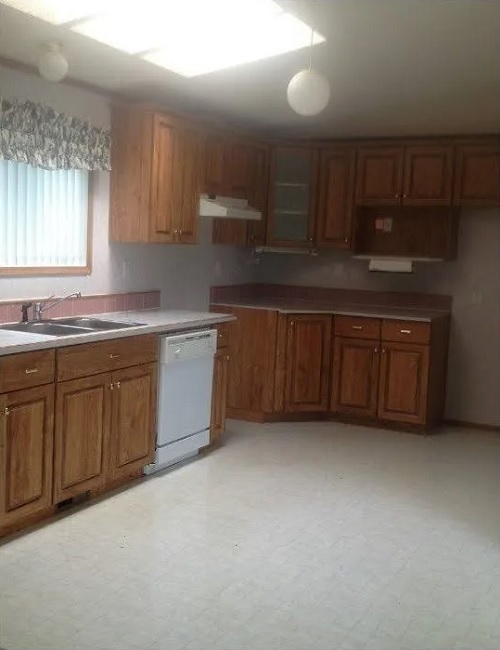
After cleanup, the goal is not to create a showroom. It is to create a property that works for the people using it. Open pathways, cleanable floors, accessible storage, and clear surfaces are practical wins that reduce the chance of another overwhelming buildup.
Be honest about what caused the clutter. If it was a temporary event, such as a move or inheritance, the solution may be disposal, donation, and a few organized storage areas. If it is connected to mobility limitations, ongoing health concerns, grief, or a pattern that has lasted for years, a longer-term support plan may be needed. Regular cleaning, family check-ins, property maintenance, or professional organizing can help maintain progress without turning every visit into a confrontation.
The fastest way forward is rarely doing everything yourself. It is making the next safe decision, clearing the next usable area, and bringing in qualified help when the job demands more than time and trash bags. A property can feel unmanageable one day and functional again sooner than you think when the cleanup plan fits the real conditions.