I’m Overwhelmed With All the Clutter in My Home
A single room can make a whole house feel impossible. If you’re thinking, “I’m overwhelmed with all the clutter in my home,” the problem is not that you have failed at organizing. You may be facing an exhausting mix of too many decisions, limited time, physical limitations, grief, depression, a move, an estate, or a property condition that has grown beyond what one person can safely handle.
The right first step is not buying storage bins or trying to clear the entire house in one weekend. It is reducing the pressure, identifying any safety concerns, and making a realistic plan for the next small section of the home.
When clutter becomes more than an organizing project
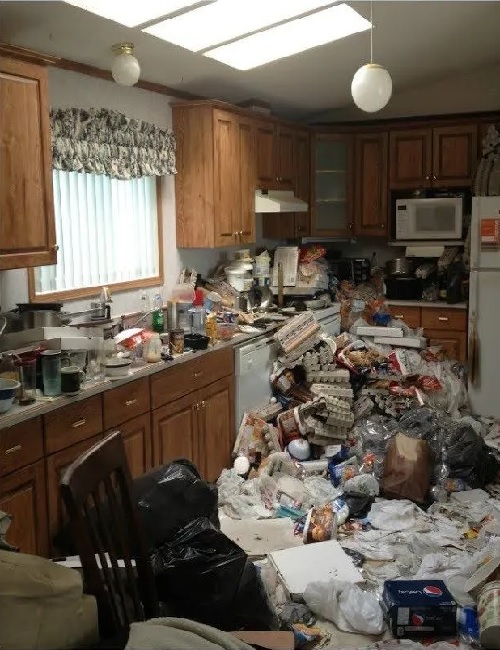
Clutter means different things in different homes. A crowded garage, closets full of old belongings, or piles of unopened mail can be frustrating but manageable. The situation changes when belongings block exits, prevent rooms from being used, attract pests, create fall risks, hide water damage, or make cleaning impossible.
It may also be time for more help when there are strong odors, animal waste, spoiled food, mold, insects, rodents, bodily fluids, damaged flooring, or structural concerns. These conditions are not a reason for embarrassment. They are signs that the work may require protective equipment, proper disposal, sanitation, and repairs after the items are removed.
For a landlord, estate representative, or family member helping someone else, the emotional side can be just as difficult as the physical cleanup. Pushing, shaming, or making sudden decisions about personal items can create conflict and stop progress. A calm, respectful approach is usually more effective.
Start with safety, not sorting
Before you begin, walk through the home without moving anything. Look for clear pathways to exterior doors, working smoke detectors, accessible bathrooms, and any leaks, damaged outlets, or areas where the floor feels unstable. If a hallway or exit is blocked, making a safe path is the priority.
Avoid climbing over stacks, reaching into areas you cannot see, or lifting heavy bags and furniture alone. Wear closed-toe shoes and gloves for basic cleanup. If you notice needles, unknown chemicals, feces, dead animals, extensive mold, or signs of infestation, stop there. These materials can expose you to injury or contamination, and they should be handled with appropriate training and equipment.
Do not try to clean a suspicious stain or severe odor with household fragrance products. Air fresheners may temporarily cover an odor, but they do not remove the source. If moisture, contamination, or decay is present beneath belongings, the property may need cleaning and restoration after the clutter is gone.
Make the first goal small enough to finish
The fastest way to get stuck is to begin with a room that holds years of belongings. Choose one defined, visible area instead: one chair, one countertop, three feet of floor, or the path from a bedroom to the door. Set a timer for 20 or 30 minutes, then stop when it ends.
The goal is not perfection. The goal is proof that progress is possible.
Use only three immediate categories: trash, laundry, and items that belong somewhere else. Do not stop to reorganize a closet or research the value of every object. If you find paperwork, photographs, medications, keys, or valuables, place them in a clearly labeled box to review later. This protects important items without forcing a decision in the middle of cleanup.
When the timer ends, take out the trash and put laundry in one place. Seeing an open surface or clear walkway matters. It gives you a usable part of the home back and makes the next session easier.
Decide what requires a separate decision
Some belongings are easy to remove. Broken packaging, expired food, empty containers, and obvious trash rarely need extended consideration. Other items deserve a slower process, especially documents, family photos, financial records, heirlooms, firearms, medications, and items that may have legal or estate value.
Create a temporary hold area for these things. A sealed tote, labeled box, or one designated table works better than spreading them across the house. Give yourself permission to decide later.
Donation can feel like the responsible choice, but it is not always practical. Charities may not accept heavily worn, damaged, contaminated, or unsanitary items. If an item cannot be safely cleaned, transported, or reused, disposal may be the appropriate option. This is particularly true after water damage, pest activity, smoke exposure, or long-term moisture.
Work in an order that protects the home
If multiple rooms are affected, start with the areas that restore basic safety and daily function. Clear exits and hallways first, then bathrooms, kitchen surfaces, sleeping areas, and access to HVAC vents or plumbing fixtures. A garage or storage unit can wait if it is not creating an immediate hazard.
This order may feel backward if the garage contains the largest volume of clutter. But clearing a bathroom or safe sleeping space improves day-to-day life quickly. It also gives you room to stage bags, boxes, and supplies without adding to the chaos.
Once a room is accessible, inspect what was hidden beneath the clutter. Look for discoloration, warped flooring, soft drywall, pest droppings, mold growth, or odor that remains after items are removed. These findings do not always mean major reconstruction is needed. Sometimes a focused cleaning and minor repair are enough. Other times, moisture or contamination has spread into materials that need professional removal and restoration.
Know when to bring in professional help
Professional cleanup is appropriate when the scope is too large, the property is unsanitary, or the work is emotionally or physically beyond what you can manage. It can also be the practical choice when a property must be prepared for sale, occupancy, renovation, inspection, or a tenant turnover on a deadline.
A qualified team can help sort the project into stages: inspection, removal, disposal, deep cleaning, odor treatment, remediation, repairs, and reconstruction when needed. That matters because clutter cleanup is rarely just about hauling items away. Once rooms are exposed, there may be mold, flooring damage, leaks, pest issues, or damaged surfaces that need attention before the space is truly usable.
For severe clutter or hoarding conditions, look for a provider that treats the people involved with dignity. The job should be handled discreetly, with clear communication about what will be removed, what will be saved, and what conditions are found along the way. Fast work is valuable, but respect and accountability are just as important.
Renew Cleaning & Restoration handles complex cleanup projects across Texas, including removal, sanitation, odor control, remediation, repair, and reconstruction. Using one accountable provider can reduce the burden of coordinating haulers, cleaners, restoration crews, and contractors while you are already under stress.
Keep progress from disappearing
After one area is clear, avoid immediately filling it with items from another room. Give every incoming item a reason to be there. A clear countertop is not empty space waiting for more paperwork. It is a functional surface that makes daily life easier.
Set a simple maintenance rhythm that fits your household. Ten minutes at the end of the day, one bag of trash on trash day, or one focused hour each week can work better than waiting for the next major cleanup. The right schedule depends on the number of people in the home, health needs, work demands, and how much storage the property actually has.
If the clutter is tied to grief, trauma, anxiety, or depression, cleanup may need to move at a slower pace. Professional cleaning support can address the property condition, while a counselor, trusted family member, or healthcare professional can help with the reasons decisions feel so hard. Both kinds of support can matter.
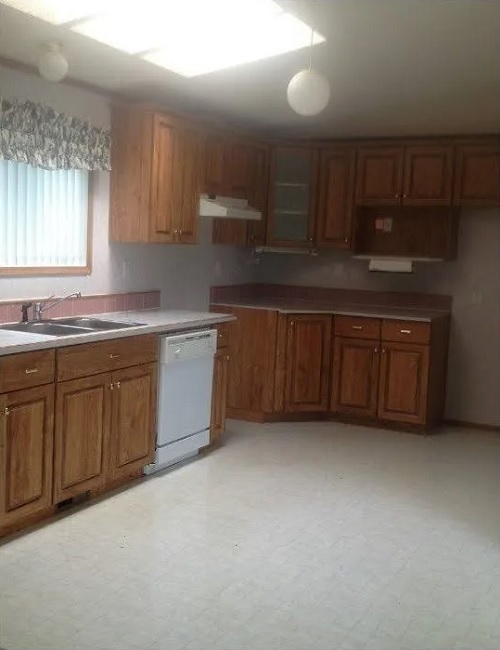
You do not need to solve the entire home today. Clear one safe path, remove one bag, or ask for help with one room. That is not a small thing. It is the beginning of making your home usable, healthy, and yours again.