Collectors vs Hoarders: What Are the Signs?
A room filled with baseball cards, vintage furniture, or carefully displayed figurines can look very different from a home where doors will not open, appliances cannot be used, and basic cleaning has become impossible. When people ask, “collectors vs hoarders, what are the signs,” the most useful answer is not the number of possessions. It is whether those possessions still serve a purpose without compromising safety, health, or the ability to live in the property.
The distinction matters for homeowners, families, landlords, estate representatives, and property managers. A collecting habit may require better storage or organization. Hoarding conditions may require a compassionate, safety-focused cleanup plan that addresses sanitation, damage, pests, odors, and repairs along with the belongings themselves.
Collectors vs. Hoarders: What Are the Signs?
A collector intentionally acquires specific items, often within a defined category. The collection may have personal, historical, or financial value. It is usually organized, displayed, cataloged, or stored in a way that leaves the home functional. A serious collector might own thousands of records, comic books, antiques, or sports memorabilia, yet still be able to cook in the kitchen, sleep in the bedroom, and safely exit the house.
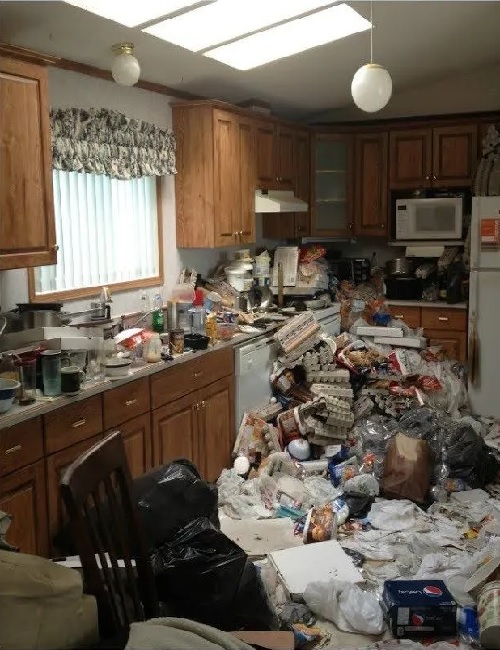
Hoarding is different because the items begin to control the space and daily life. A person may feel intense distress at the thought of discarding ordinary objects, including things that are broken, expired, soiled, duplicated, or no longer useful. The accumulation can spread beyond closets and storage areas into living rooms, hallways, bathrooms, vehicles, garages, and outdoor areas.
This is not a question of being tidy versus messy. Some collectors have crowded spaces. Some people facing hoarding conditions may desperately want help but feel overwhelmed, ashamed, or unable to decide what can leave. The key concern is functional impairment and risk, not judgment.
Signs a collection is still manageable
A collection is generally manageable when it has boundaries. The person can identify what they collect and why, make room for it, and make decisions about adding, selling, donating, or storing items. The home remains usable for its intended purpose.
There may be full shelves or dedicated display rooms, but clear walkways remain available. Plumbing, electrical outlets, heating and air conditioning equipment, and exits can be accessed. Food can be stored safely, bathrooms can be used, and household cleaning can take place. The collector can usually locate items and maintain records, cases, shelves, or containers that protect them.
A collection can also be large without being a problem. What matters is whether the owner retains choice and control over the collection rather than feeling controlled by it.
Signs that accumulation may be becoming a hoarding condition
Hoarding conditions often develop gradually. What starts as saved boxes, inherited furniture, or postponed sorting can build over months or years. Families may not recognize the seriousness until a fall, leak, pest problem, fire inspection, move, hospitalization, or death in the family forces the issue.
Warning signs can include:
- Rooms, hallways, stairs, or exits blocked by belongings
- Inability to use a kitchen, bathroom, bedroom, or laundry area as intended
- Stacks of papers, boxes, clothing, or household goods that are unstable or difficult to move around
- Spoiled food, overflowing trash, animal waste, insects, rodents, mold, or persistent odors
- Utilities, appliances, plumbing fixtures, electrical panels, windows, or HVAC equipment obstructed by contents
- Avoiding visitors, maintenance workers, landlords, or family members because of the property’s condition
- Significant distress, conflict, or paralysis when discarding items with little practical value
- Purchasing or bringing in more items despite insufficient usable space
No single sign makes a diagnosis. A temporary cluttered home during a renovation, move, illness, or estate transition is not automatically a hoarding situation. But when conditions prevent safe daily living or create a hazard for occupants, neighbors, or responders, the property needs attention regardless of the label.
Why the Difference Affects Safety and Cleanup
Collectors typically need secure storage, inventory support, or help moving valuable items without damage. Hoarding cleanup can involve much more than removing clutter. The weight of stored materials can damage flooring, conceal water leaks, block vents, and create trip hazards. Paper, textiles, and stacked boxes can increase fire load and make emergency escape more difficult.
Hidden moisture is another common issue. A slow plumbing leak behind accumulated belongings may go unnoticed long enough to cause mold growth, damaged drywall, or structural deterioration. Food waste and pet-related contamination can attract insects and rodents. In severe cases, dust, feces, sharps, spoiled materials, decomposition odors, or biohazards require trained handling and proper disposal.
These conditions can also affect a sale, lease turnover, insurance claim, inspection, renovation, or estate settlement. Cleaning only the visible areas may not be enough if odors, contamination, mold, or damage remain behind walls, under flooring, or inside HVAC systems.
How to Approach a Loved One With Respect
For families, the conversation is often harder than the cleanup. Calling a loved one a hoarder, threatening to throw everything away, or attempting a surprise cleanout can cause fear and distrust. It may also lead to more intense saving behavior afterward.
Start with specific, practical concerns: a blocked exit, a leaking sink, an unsafe staircase, pests, a nonworking bathroom, or an upcoming inspection. Speak calmly and focus on safety, comfort, and choices. Ask what items are most important to protect. If possible, agree on one small, clearly defined area rather than demanding that the entire property be addressed at once.
There are times when a faster response is necessary. If there is a fire hazard, active water damage, sewage, animal waste, serious infestation, unsafe structural conditions, or a person cannot safely access a bed, toilet, medication, or exit, delay can make the situation worse. In those cases, a professional assessment helps establish priorities without turning the process into a confrontation.
What Professional Hoarding Cleanup Should Include
A proper cleanup plan should be tailored to the property and the people involved. Not every home needs the same level of service. Some projects require sorting support, hauling, and deep cleaning. Others require protective equipment, biohazard procedures, odor treatment, pest coordination, mold remediation, water mitigation, repairs, and reconstruction.
Before work begins, a qualified team should assess access, contamination, structural concerns, and materials that need special handling. The plan should protect essential documents, heirlooms, valuables, medications, and items the client has identified for retention. Clear communication matters just as much as equipment. People deserve to know what will be removed, what will be saved, how the space will be cleaned, and what repairs may be needed afterward.
For landlords and property managers, documentation and a defined scope are especially useful when a unit must be made safe for maintenance, inspection, turnover, or reoccupancy. For families handling an estate, the right team can reduce the burden of coordinating separate junk removal, cleaners, remediation crews, and repair contractors.
Renew Cleaning & Restoration can manage the work from inspection and cleanup through remediation, repairs, and reconstruction when the property needs more than a basic cleanout. That single-provider approach helps keep a difficult project moving while treating the people involved with discretion and respect.
When to Get Help Right Away
Call for professional help promptly when blocked pathways prevent emergency access, odors are strong or worsening, pests or rodents are present, waste has accumulated, or there is visible mold, water damage, fire damage, or suspected contamination. Immediate support is also wise when a property must be prepared for a move, sale, lease turnover, inspection, or return to safe occupancy.
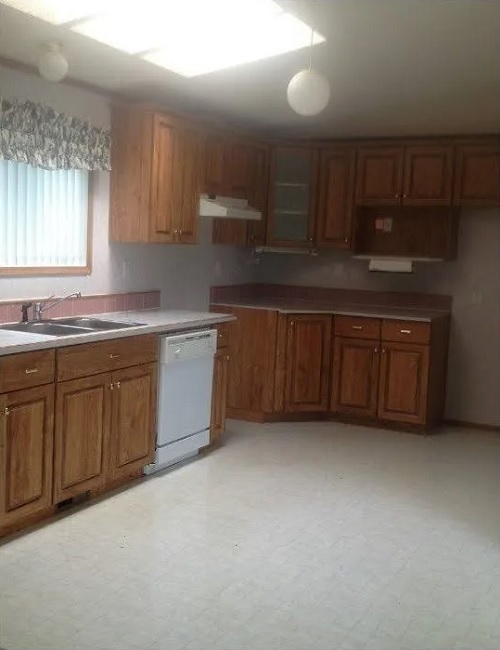
The goal is not to judge someone by the amount they own. It is to restore a home to a place where people can move freely, breathe easier, use essential rooms, and feel safe asking for help. A respectful first step can protect both the property and the person who calls it home.