When to Call a Trauma Cleanup Contractor
After a traumatic event, a property can carry risks that are not visible from the doorway. Blood, bodily fluids, decomposition, contaminated belongings, and lingering odors require more than household cleaners and good intentions. A trauma cleanup contractor provides the trained, discreet response needed to make the space safe again while giving families, owners, and managers one less burden to carry.
The first hours can feel overwhelming. You may be dealing with law enforcement, medical personnel, an insurance claim, worried tenants, or a family loss at the same time. Cleanup should not fall on a relative, employee, landlord, or property manager. Professional help protects everyone involved and creates a clear path from a distressed scene to a usable property.
What a Trauma Cleanup Contractor Handles
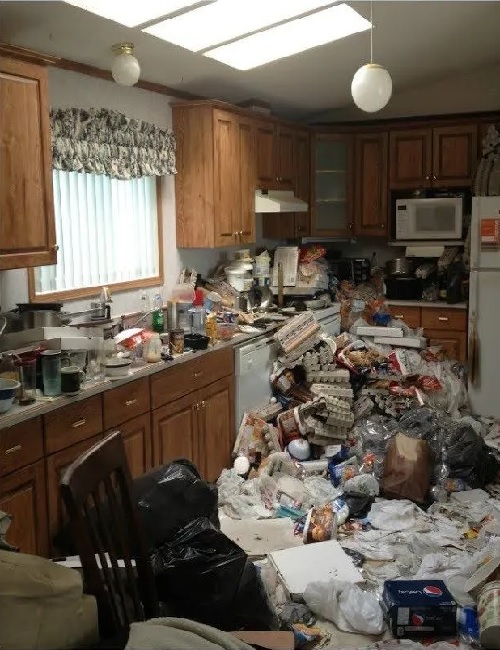
Trauma cleanup is specialized biohazard remediation. It may be needed after an unattended death, suicide, homicide, serious accident, injury, industrial incident, or another event involving blood or bodily fluids. The work can also include decomposition cleanup, odor removal, contaminated furniture and flooring removal, and disposal of affected materials.
The visible area is rarely the whole problem. Fluids can move below carpet, through subflooring, behind baseboards, into cracks in concrete, or into nearby contents. A professional team evaluates the full extent of contamination, removes affected materials where necessary, cleans and disinfects remaining surfaces, and addresses the source of odors instead of trying to cover them up.
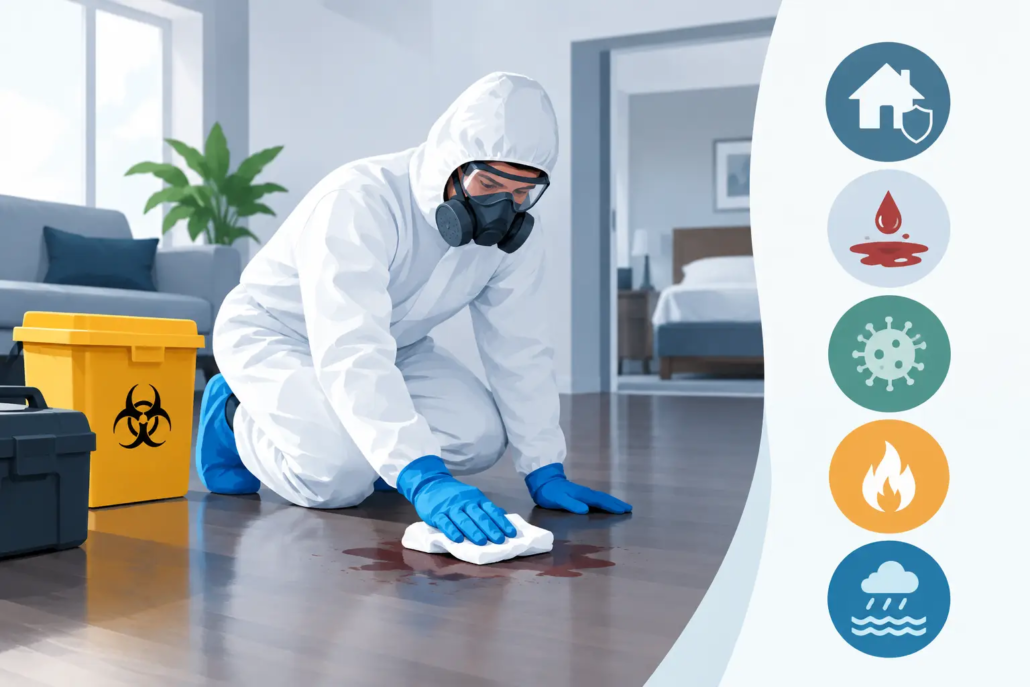
This work is not the same as ordinary cleaning. It requires appropriate personal protective equipment, containment practices, specialized cleaning agents, safe packaging and disposal procedures, and a methodical inspection process. The goal is not simply to make a room look clean. The goal is to return it to a sanitary condition suitable for repair, occupancy, or the next step in the property plan.
When Professional Cleanup Is the Right Call
Any scene involving blood, bodily fluids, decomposition, or possible infectious exposure calls for trained cleanup. This is especially true when the event was unattended, when fluids have reached porous materials, or when the property will soon be reoccupied, sold, rented, renovated, or reopened to the public.
For homeowners and families, the decision is often emotional as well as practical. Trying to clean the scene yourself can create unnecessary exposure and leave painful reminders in place. For landlords and property managers, a partial cleanup can lead to tenant complaints, odors, damage discoveries, and delays later. Business owners also have a responsibility to protect staff and visitors from unsafe conditions.
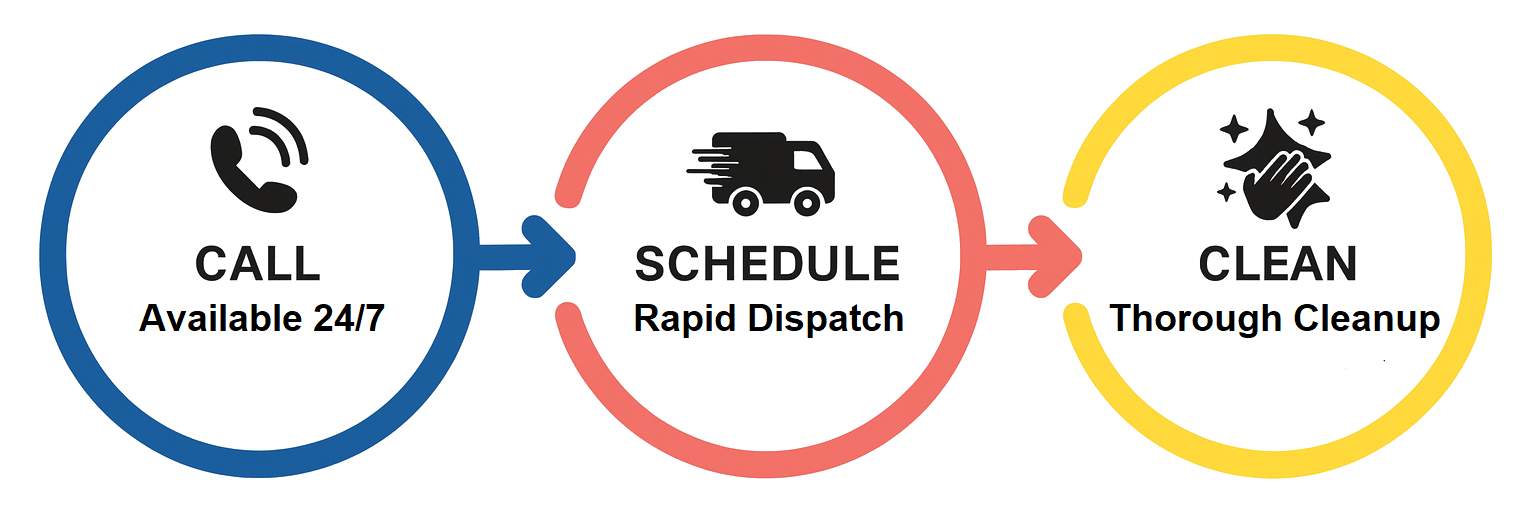
A prompt response matters, but speed should not mean rushing through the work. The right contractor moves quickly to assess the scene, secure the affected area, and begin remediation without skipping the details that prevent future issues.
Do Not Disturb the Scene Until Authorities Release It
If emergency responders or law enforcement are present, wait for them to complete their work and release the property before cleanup begins. Once the scene is released, limit access to the affected area. Keep children, pets, tenants, employees, and visitors away from contamination until a qualified crew can assess it.
Avoid throwing contaminated items into regular trash, running fans through the space, or using strong fragrances to hide odors. Those actions can spread contamination, complicate disposal, or make later assessment harder. If you are unsure what to do next, a contractor can explain the immediate steps by phone and arrange an on-site evaluation.
What the Cleanup Process Should Look Like
A dependable trauma cleanup contractor should take ownership of the process from first assessment through final restoration. The exact scope depends on the event, the materials involved, the length of time before discovery, and whether contamination has traveled beyond the initial room.
The process begins with a careful inspection. Technicians identify affected surfaces, contents, building materials, and odor pathways. They determine what can be cleaned and disinfected, what must be removed, and whether the property needs additional work such as flooring replacement, drywall repair, subfloor treatment, or reconstruction.
Next comes containment and removal. The crew isolates the work area as needed, removes contaminated porous materials, and handles waste through proper biohazard procedures. Hard surfaces and salvageable contents are cleaned and disinfected using methods appropriate to the material and level of contamination.
Odor treatment follows the source, not the air freshener aisle. Decomposition and biological odors may require removal of affected materials, detailed cleaning of structural surfaces, and professional odor-control methods. If the source remains below flooring or inside a wall cavity, surface treatments alone will not solve the problem.
The final phase is where a single-provider restoration company can make a major difference. Cleanup may reveal damaged drywall, flooring, insulation, cabinets, paint, or other building components. Rather than leaving you to find a separate repair crew, the same provider can coordinate mitigation, repairs, and reconstruction so the property is not left half-finished.
Questions to Ask Before Hiring a Trauma Cleanup Contractor
During a crisis, it is reasonable to want the first available crew. Availability matters, but so do training, discretion, and the ability to finish the job. Ask whether the company handles biohazard remediation specifically, not just general janitorial or carpet cleaning work. Confirm that it can explain its inspection, removal, cleaning, disposal, odor-control, and restoration process in plain language.
You should also ask who will manage the project and whether the contractor can coordinate with your insurance carrier or adjuster when applicable. Coverage varies by policy and circumstances, so no contractor should promise coverage before the claim is reviewed. Still, clear documentation, itemized estimates, photos where appropriate, and communication with the insurer can reduce stress during an already difficult time.
Privacy is another practical concern. A professional crew should arrive with respect for the situation, communicate discreetly, and keep access limited to the people who need to know. For apartment communities, businesses, and public-facing properties, the contractor should also help plan work around occupants and operations whenever conditions allow.
Finally, ask what happens after the cleanup. If removal exposes water damage, mold, damaged framing, or a need for reconstruction, can the provider complete that work? Choosing separate vendors may sometimes make sense for a small, isolated job. But for complex scenes, one accountable team usually means fewer handoffs, fewer scheduling gaps, and a clearer line of responsibility.
Why Full Restoration Matters After Biohazard Cleanup
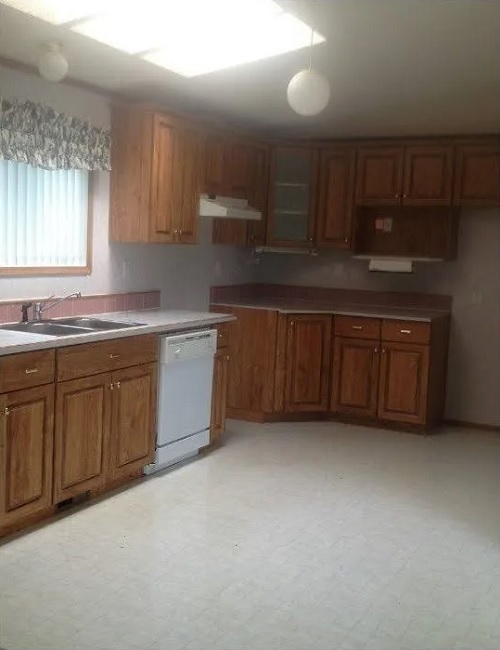
A clean scene is only part of the outcome. A family may need a bedroom restored before returning home. An estate representative may need a house prepared for sale. A landlord may need a unit safe, repaired, odor-free, and ready for the next resident. A business may need to reopen without leaving staff to manage a damaged or distressing space.
That is why cleanup and restoration should be planned together. Removing contaminated carpet may reveal a damaged subfloor. Opening a wall for inspection may create a repair need. Odor removal may require replacing insulation or sealing treated structural surfaces before finishes are installed. When each stage is handled in sequence, the property can move forward instead of sitting in limbo.
Renew Cleaning & Restoration provides 24/7 response for sensitive cleanup and restoration projects across Texas, with one team able to inspect, remediate, repair, and reconstruct when the scope requires it. The focus is practical: protect the people involved, document the work clearly, and restore the property with care.
No one plans to make this call. But when a traumatic event affects a home, rental, workplace, or facility, bringing in qualified help is a responsible step, not an overreaction. Once the scene is released, protect the area, ask for a prompt professional assessment, and let experienced people handle the work that should never be placed on a grieving family member or untrained employee.