What Are the Steps of Cleaning a Hoarded House?
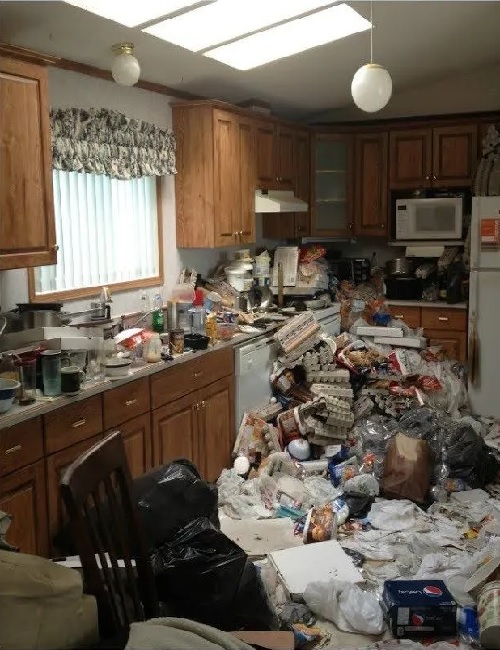
A hoarded home is rarely just a home with too much stuff. It may contain blocked exits, unstable stacks, spoiled food, pests, animal waste, mold, odors, damaged flooring, or hidden water and fire risks. That is why the answer to what are the steps of cleaning a hoarded house starts with safety and respect, not with hauling items to the curb.
For families, landlords, estate representatives, and property managers, this can be an emotionally difficult situation. The person living in the home may feel shame, grief, fear, or a strong attachment to items others see as disposable. A careful cleanup plan protects the people involved while making the property safe, sanitary, and usable again.
What Are the Steps of Cleaning a Hoarded House Safely?
The exact scope depends on the condition of the property. A home with excessive belongings but no contamination may need organizing, removal, deep cleaning, and minor repairs. A severely affected property may require biohazard cleanup, pest treatment, odor removal, mold remediation, damaged-material removal, and reconstruction.
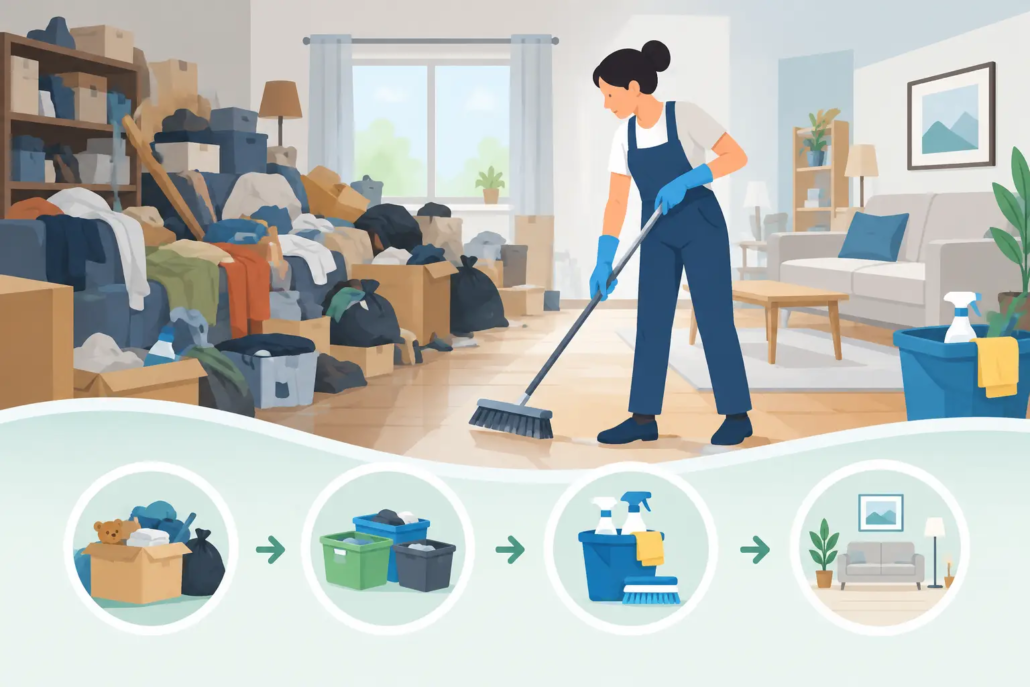
The process should be methodical. Trying to clean a whole house in a weekend, without assessing the hazards first, can lead to injury, conflict, or the accidental disposal of important documents and valuables.
1. Inspect the property before moving anything
The first step is a walkthrough to identify immediate hazards and establish the scope of work. This includes checking whether doors and hallways are accessible, whether floors appear structurally sound, and whether utilities are safe to use. In some homes, piles conceal damaged plumbing, exposed electrical wiring, broken glass, animal activity, or moisture damage.
A professional inspection also identifies the type of cleanup required. General clutter removal is very different from handling feces, urine, decomposing food, insects, rodents, needles, or mold. Those conditions require proper protective equipment, containment, sanitation procedures, and disposal methods.
If the property has a strong odor, visible contamination, heavy pest activity, or rooms that cannot be entered safely, do not begin sorting alone. Addressing the hazards first protects everyone who needs to work in the space.
2. Set priorities and create a clear cleanup plan
A good plan prevents the work from becoming overwhelming. Start with the areas that affect safety and basic function: entrances, exits, paths through the home, bathrooms, kitchens, and sleeping areas. Restoring clear access can make the rest of the project safer and easier to manage.
Before removal begins, decide how items will be handled. In most cases, belongings are separated into keep, donate, recycle, dispose, and secure categories. The secure category matters. It is where teams place legal documents, identification, photographs, financial records, medications, heirlooms, cash, and valuables found during the process.
Families should agree on decision-making authority before work begins. If a homeowner, executor, or landlord needs to approve certain items, establish that process early. This reduces confusion and helps avoid painful disagreements later.
3. Protect workers and contain affected areas
Cleaning a hoarded house often exposes workers to dust, allergens, bacteria, mold spores, and sharp objects. Depending on the conditions, protective gear may include gloves, respirators, eye protection, protective clothing, and puncture-resistant footwear.
Containment may also be necessary. For example, if one room has mold growth, animal waste, or heavy contamination, isolating that area can help prevent particles and odors from spreading into cleaner parts of the home. Proper ventilation and air filtration can be part of the plan, but opening windows alone is not a substitute for professional controls when hazardous materials are present.
This stage is also when a team determines whether pest control, plumbing repairs, electrical service, or utility shutoff is needed before cleanup continues. It depends on the property, but skipping these precautions can turn a cleanup into a preventable emergency.
4. Sort belongings carefully, one zone at a time
Sorting works best when the home is divided into manageable zones. A team may begin at the entryway or with a single room, then move forward once that space is cleared and cleaned. Working this way preserves safe walkways and provides visible progress without creating new piles elsewhere.
Items should be handled with care, but not every item can be saved. Porous materials exposed to urine, feces, mold, pests, or decomposition may be unsafe to retain. Mattresses, upholstered furniture, carpeting, cardboard, and paper goods can absorb contamination and odors that cannot always be removed through ordinary cleaning.
Sentimental items deserve particular attention. Photographs, letters, jewelry, and records may be recoverable even when the surrounding clutter is not. A compassionate cleanup team understands that this is not simply a disposal project. It is a process of separating what can be safely preserved from what must be removed.
5. Remove debris and dispose of waste correctly
Once sorting decisions are made, debris removal can begin. This may involve bagging household trash, removing damaged furniture, hauling out spoiled food, and loading materials for recycling, donation, or legal disposal.
Disposal is not always straightforward. Hazardous household products, chemicals, paint, batteries, sharps, medications, and biohazardous materials require different handling than ordinary trash. Mixing them into general waste can create danger for workers and others.
Large-scale hoarding cleanup also requires practical logistics. Dumpsters, hauling equipment, labor, and disposal coordination should be planned so the site stays orderly. Piles left in driveways, hallways, or common areas can create new access problems and frustrate neighbors, tenants, or property staff.
6. Clean, disinfect, and treat odors at the source
After contents and debris are removed, the actual cleaning becomes visible. Floors, walls, cabinets, appliances, fixtures, and hard surfaces can be cleaned and disinfected based on the conditions found. Contaminated materials may need to be removed before the structure can be properly sanitized.
Odor control requires more than fragrance or surface sprays. Persistent odors often come from urine-soaked flooring, spoiled food residues, smoke, mold, dead pests, or moisture trapped beneath materials. Finding and removing the source is the most important part of odor treatment.
In severe cases, cleanup may include removing carpet and pad, treating subfloors, cleaning HVAC components, or addressing hidden moisture. A property can look clean while still retaining an odor or contamination problem if these underlying conditions are not addressed.
7. Repair damage and restore the home
Hoarding can conceal property damage for years. Once the home is cleared, it is common to find stained subfloors, damaged drywall, broken fixtures, leaking pipes, mold growth, pest damage, or areas needing fresh paint.
This is where an end-to-end approach can save considerable time. Instead of coordinating separate companies for removal, remediation, repairs, and reconstruction, property owners can have one accountable team manage the work from inspection through final restoration. Renew Cleaning & Restoration handles complex Texas cleanup projects this way, including sanitation, odor removal, damage repair, and reconstruction when needed.
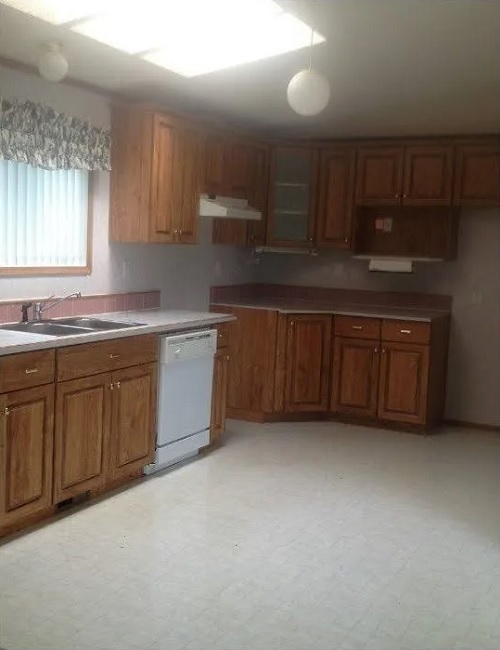
Not every home needs a full renovation. Sometimes the right solution is deep cleaning, new flooring, minor drywall repair, and paint. Other properties need more extensive work before they are safe for occupancy or ready to sell, lease, or return to a family member.
8. Establish a realistic plan for keeping the space safe
The final step is often overlooked. A cleared home can become cluttered again if the underlying circumstances are not addressed. Cleanup professionals can restore the property, but ongoing support may be needed to help the resident maintain a safe living environment.
That support might involve family check-ins, a mental health professional, a social worker, an organizer experienced with hoarding behaviors, or a property maintenance schedule. The appropriate path depends on the person and situation. The goal is not perfection. It is a home with clear exits, working utilities, sanitary conditions, and room to live safely.
When Professional Hoarding Cleanup Is the Right Call
Professional help is especially appropriate when there are biohazards, infestation, strong odors, mold, structural concerns, blocked exits, deceased animals, sharp objects, or a large volume of material. It is also the safer option when a family needs discretion, a landlord must prepare a unit quickly, or an estate property must be cleared without losing important belongings.
A respectful crew can bring order to a situation that feels impossible without judging the person at the center of it. The most helpful next step is often a private assessment that turns a stressful property into a clear, safe plan for recovery.